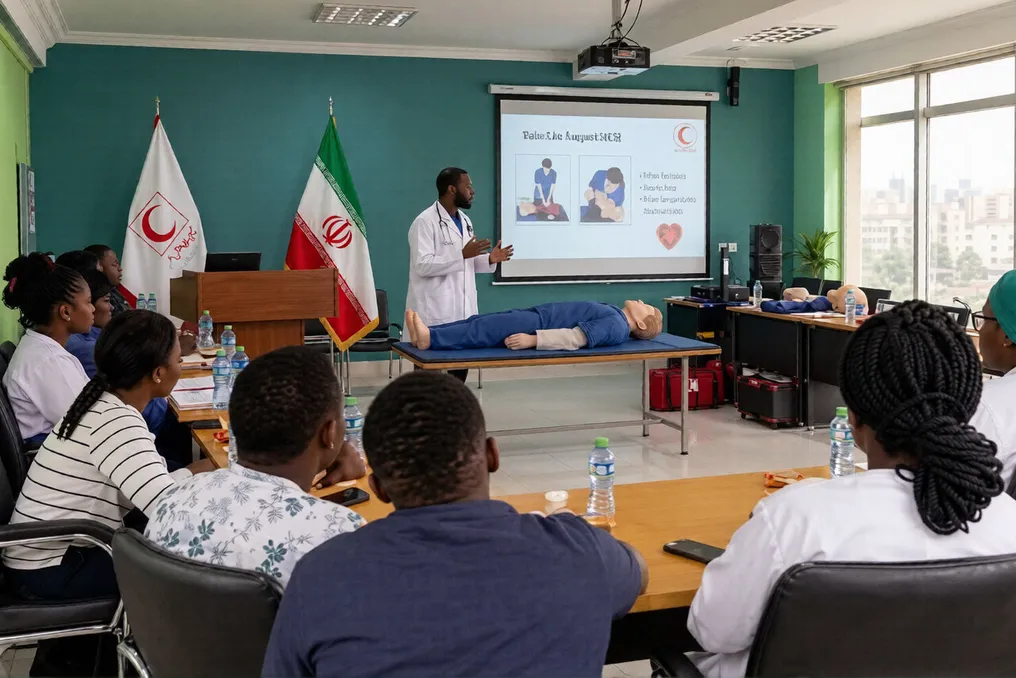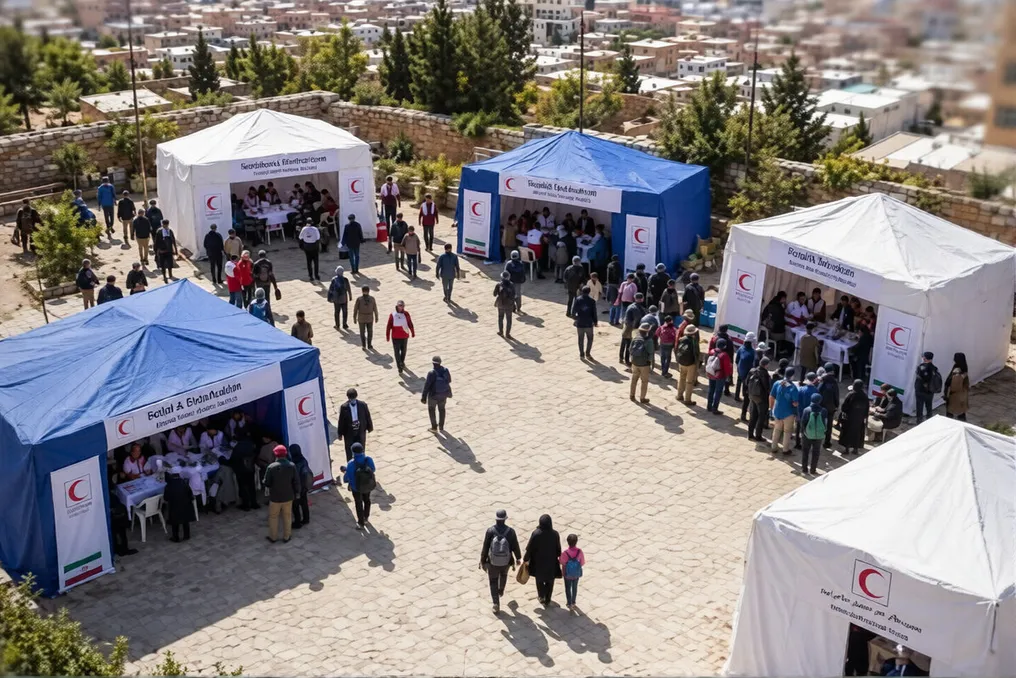
The Health Center of the Iranian Red Crescent Society (IRCS) in La Paz, Bolivia, has begun a campaign to improve the health of the Bolivian population. This initiative aims to enhance health levels through preventive measures, education, screening, and treatment.
According to information published on the IRCS website, the humanitarian mission includes medical examinations and assessments, blood pressure and blood sugar level checks, as well as disease diagnosis. Additionally, personal consultations are provided regarding hygiene and healthy lifestyles. Patients with suspicious results are referred to local medical facilities for further treatment.
The main goal of IRCS's international activities goes beyond simply providing medical care; it is about contributing to strengthening the health of the host community. This approach demonstrates IRCS's altruistic stance in providing humanitarian support.
Hamidreza Dehkhan, an IRCS staff member, emphasized that the organization's humanitarian work has no geographical limitations. He noted that the presence of IRCS centers in various countries serves as an example of the organization's humanitarian approach to meeting the needs of local communities, while prioritizing human dignity, assisting the needy, and alleviating suffering.
IFRC Highly Appreciates IRCS Achievements
In July, Hossam Elsharkawy, Regional Director of the International Federation of Red Cross and Red Crescent Societies (IFRC) for the Middle East and North Africa (MENA), sent a letter to Pirhossein Kolivand, head of IRCS. In it, he highly praised IRCS's significant achievements, stating that IFRC seeks to strengthen strategic partnership with IRCS to translate agreements into practical actions.
This representative also commended IRCS's constructive role in expanding humanitarian efforts, calling IRCS a model for other societies. He highlighted IRCS's full readiness, demonstrated by its rescue fleet, specialized vehicles, and rescue helicopters, as well as by practiced earthquake response drills, search and rescue team capabilities, and the effectiveness of communication and air assistance systems developed over the years.
Referring to his visit to IRCS production facilities, Elsharkawy noted that the society's ability to produce medical devices, equipment, and aid items is a testament to self-sufficiency, innovation, and sustainable humanitarian development. In Elsharkawy's view, these achievements set a standard of excellence for all national societies within the International Red Cross and Red Crescent Movement.
In November 2025, he specifically highlighted IRCS's role as a key humanitarian player both regionally and globally. Expressing admiration for IRCS's efforts, he congratulated Kolivand on his re-election as head of IRCS, noting that IRCS makes very effective decisions at the international level.
These remarks were made during an online meeting with Kolivand. During the meeting, both representatives discussed ways to activate joint efforts, develop rescue systems to enhance the country's preparedness and response capabilities, and hold international conferences and meetings in Iran. IRCS proposed organizing an international Islamic youth conference and a conference of leaders of national societies from Islamic countries. The parties also stressed the need to implement previously signed memoranda of understanding between the two organizations to promote educational, operational, and logistical cooperation. Furthermore, IRCS suggested involving an expert to oversee managerial and technical interaction with the MENA Regional Office.