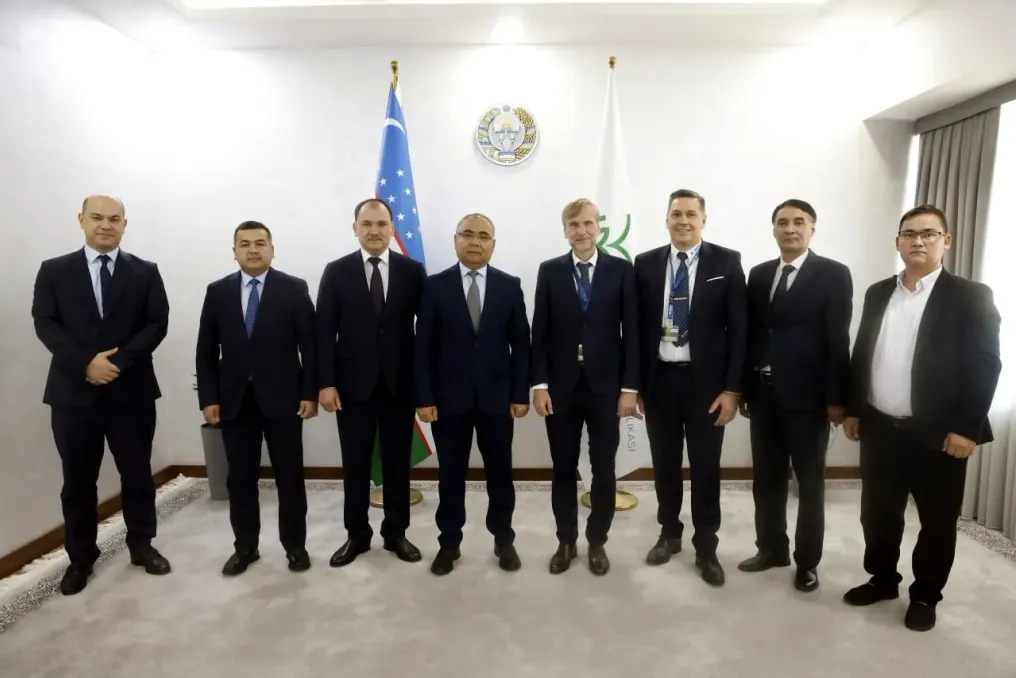
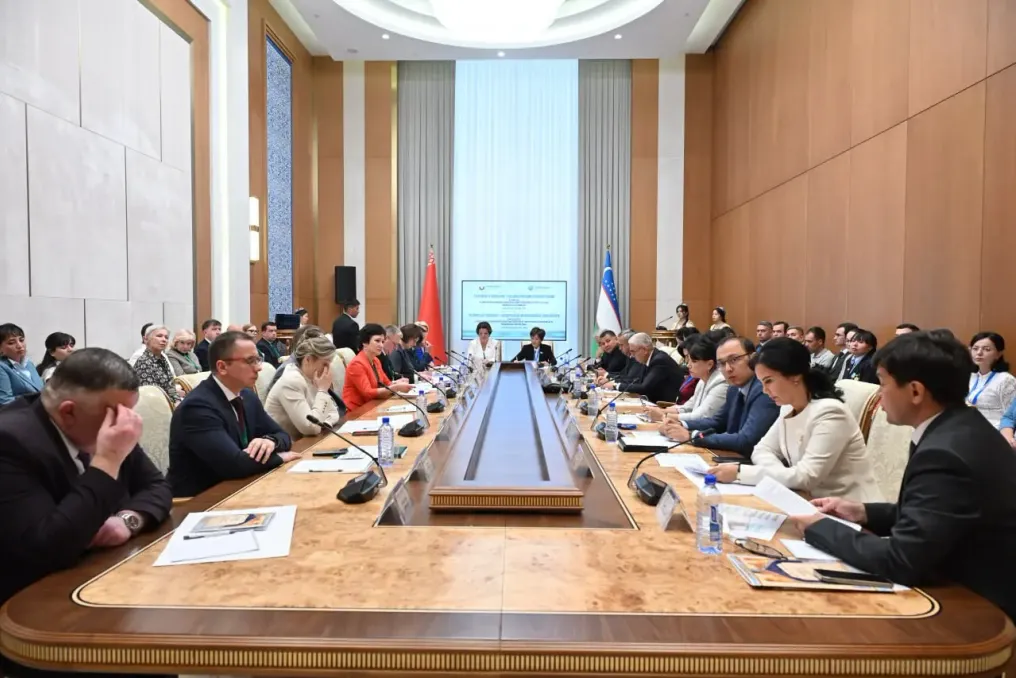
A meeting of the heads of local representative bodies of Uzbekistan and Belarus took place in Khiva as part of the Fourth Uzbek-Belarusian Interparliamentary Forum on September 29. The parties discussed the development of interregional ties, new economic initiatives, and practical interaction between the regions of the two countries.
Following the meeting, the press service of the Senate of the Oliy Majlis of Uzbekistan reported the signing of fifteen bilateral agreements. Participants emphasized the significance of cooperation at the local level for strengthening the strategic partnership between Uzbekistan and Belarus, paying special attention to establishing direct contacts between regions and representatives of local communities.
The functions of local representative bodies in the socio-economic development of territories, public involvement, expanding citizen participation, and supporting public initiatives were considered. Additionally, methods for effectively utilizing the economic and social potential of the regions, stimulating entrepreneurial and investment activities, and finding new directions for economic partnership were discussed.
Parliamentary diplomacy played a central role in the discussions. The parties agreed to maintain regular dialogue between local representative bodies, as well as to expand mutual visits and working meetings. These 15 agreements are intended to deepen interregional cooperation, establish direct contacts, exchange experiences, and bring interaction to a new practical level.
Several thematic sessions were held during the forum in Khiva, dedicated to industrial cooperation, the agro-industrial sector, tourism, education, healthcare, science, and innovation.
Session on Industrial Cooperation and Joint Investments
In the first session titled 'Uzbekistan and Belarus: Industrial Cooperation, Joint Investments, and Realization of Labor Potential,' participants examined opportunities to expand industrial interaction, implement investment projects, localize production, and create joint enterprises. Parliamentarians, government representatives, business circles, business associations, and women entrepreneurs discussed the development of cooperation chains, the production of new types of goods, the introduction of modern technologies, and access to new markets.
Special attention was paid to the participation of women in entrepreneurship, job creation, professional skills development, and support for women's business initiatives.
Cooperation in the Agro-Industrial Sector
The second session, dedicated to 'Cooperation in the Agro-Industrial Sector: Food Security and Biotechnology,' focused on the state of cooperation in the agricultural sector, technology exchange, and new joint projects. Participants analyzed issues of food and phytosanitary safety, the introduction of modern agricultural technologies and biotechnology, as well as the processing of agricultural products and attracting investments.
Measures proposed included the localization of Belarusian agricultural machinery production in Uzbekistan, the creation of joint production facilities, and the expansion of investment projects. The parties also identified areas for cooperation in animal husbandry, genetics and veterinary medicine, seed production and breeding, plant biological protection, agrobiotechnology, and digital solutions, expressing interest in joint research and training qualified specialists. Following this session, 11 agreements worth 35.5 million soms were signed.
Social and Humanitarian Partnership
The third session was devoted to the strategic partnership between Uzbekistan and Belarus in humanitarian and social spheres. Members of the Senate of the Oliy Majlis of Uzbekistan and the National Assembly of the Republic of Belarus, representatives of state structures, educational and scientific institutions, healthcare, and the Youth Parliament participated. Cooperation in higher and vocational education, scientific research, healthcare, pharmaceuticals, and innovation was discussed.
Discussions included expanding interaction between universities, joint training of engineering personnel, and exchanging experience in vocational education. Participants also considered possibilities for joint research in biodiversity, genetics, and modern technologies. In healthcare, maternal and child health, pediatrics, improving the quality and accessibility of medical services, and the digitalization of the healthcare system were discussed. Prospects for cooperation in the pharmaceutical sector were studied.
Tourism Dialogue
The fourth session, titled 'Tourism Dialogue: From Potential to Concrete Joint Projects,' aimed to increase tourist exchanges, develop new tourism products and routes, and improve the quality of services provided. Representatives of state organizations, educational institutions, the private sector, the hotel industry, and tour operators from both countries participated in the discussion. Participants proposed jointly promoting tourism products that combine the opportunities of Uzbekistan and Belarus in third-country markets.
Special attention was paid to Uzbekistan's potential in cultural and historical, ecological, ethnic, gastronomic, educational, and pilgrimage tourism. The Belarusian side presented its experience in developing ecotourism, creating tourist villages, educational tourism, and training personnel for this sector. At the end of the tourism session, a number of agreements and memoranda on cooperation in the field of tourism and the provision of tourist services were signed.
The forum also hosted the Fourth Business Forum of Women Entrepreneurs of Uzbekistan and Belarus, where participants discussed prospects for further developing business ties between the two states. Overall, the parties stressed the need to fill bilateral cooperation with concrete projects, expand direct contacts between regions and entrepreneurs, and utilize existing economic, social, and human potential more effectively.