Tehran is experiencing a difficult period, facing challenges on several fronts: inflation has reached nearly 90%, the currency is weakening, oil exports are suffering due to the American embargo, and military pressure is intensifying. At the same time, the US is increasing its military presence.
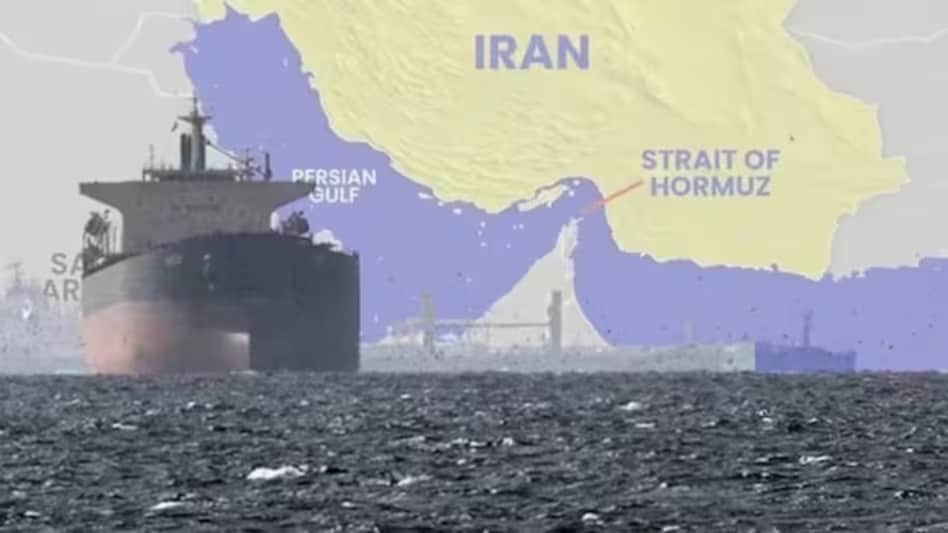
The most interesting aspect is the situation in the Strait of Hormuz, which Iran long used as a main lever of pressure. However, the situation there is not as tense as before, and the movement of oil and gas is gradually stabilizing. This poses a question for Tehran not only about continuing military actions but also about how long it can maintain its current strategy amid economic pressure.
Military actions between the US and Iran have been ongoing for about seven months, but a diplomatic deadlock persists. Some signs of movement towards a ceasefire and negotiations have emerged from the Iranian side. It is reported that Foreign Minister Abbas Araghchi discussed the possibility of restoring access for nuclear inspectors. According to Bader Al-Saif from Kuwait University, the growing pressure could push Iran toward two reactions: either it will make concessions and open the way for dialogue, or it will respond with even harsher measures. Thus, increased pressure from the US could both pave the way for negotiations and provoke conflict escalation.
The Strait of Hormuz is a critically important passage for global energy supply, and Iran has long used its ability to influence shipping there as strategic leverage. If the flow of oil and gas through Hormuz were disrupted, world market prices could rise, increasing pressure on the fuel market and inflation in many countries, including the US. Nevertheless, signs of this pressure easing are appearing. According to tanker tracking data from Bloomberg for September, Saudi Arabia's crude oil exports rose from approximately 3.4 million barrels per day to 6.1 million barrels per day. Furthermore, according to JP Morgan estimates, the volume of crude oil supplies from the Middle East reached 17.5 million barrels per day, accounting for about 98% of the pre-war level. While this does not mean a complete cessation of Iranian control over Hormuz, the increase in supplies from Persian Gulf countries shows that the global oil market has adapted to the war by using alternative routes and security systems.
The war is having a rapid impact on the Iranian economy. In the last two months, the Iranian rial has depreciated against the dollar by approximately 25%. This leads to an increase in the cost of imported goods and heightened inflationary pressure on ordinary citizens. In September, for the first time since the war began, Iran did not load new tankers with crude oil. Currently, Iran supplies oil to floating storage units for some Chinese refineries, but this arrangement cannot last forever. After the US embargo, Iran attempted to redirect trade through land borders and the Caspian Sea, but the potential of these routes is insufficient to fully compensate for the trade that passed through the Persian Gulf.
The US is putting pressure on Iran not only through military but also through economic means. On October 1, Washington introduced new restrictions against major Iranian automotive and several railway companies. The impact of previously imposed bans on the aviation industry is also being felt. In late September, Iranian flights to the United Arab Emirates were suspended, and flights to Iraq, Turkey, and Oman were also affected. Thus, Iran's difficulties are not limited to oil sales; pressure is mounting in the fields of trade, transport, aviation, and foreign currency.
Economic pressure is particularly sensitive for Iran, as large protests over inflation and currency weakness took place in the country shortly before the war began. Now, the government is trying to reduce the burden on its budget while avoiding new discontent over prices and inflation. Some gasoline subsidies were cut in September. During the same period, the Tehran municipal administration set fixed prices for 12 essential food items for a six-month period. This demonstrates that the consequences of the war affect not only the international oil business but also daily life within Iran.
Meanwhile, the US is increasing its military presence. A naval group associated with the USS Theodore Roosevelt and USS Makin Island is moving towards the Middle East. According to various reports, this group includes between 9,000 and 10,000 people.