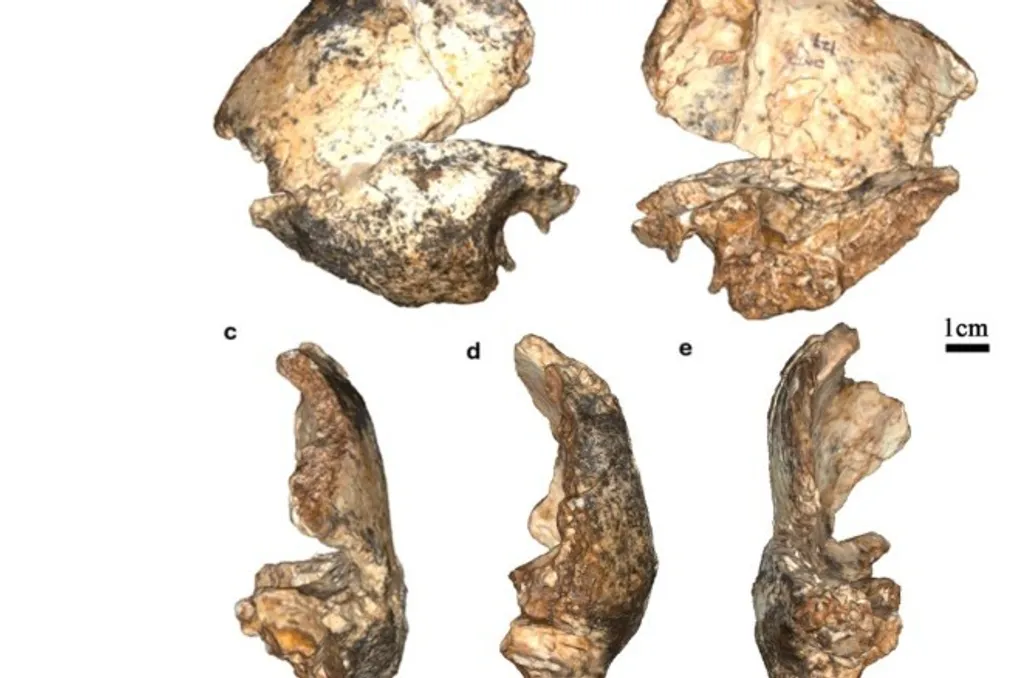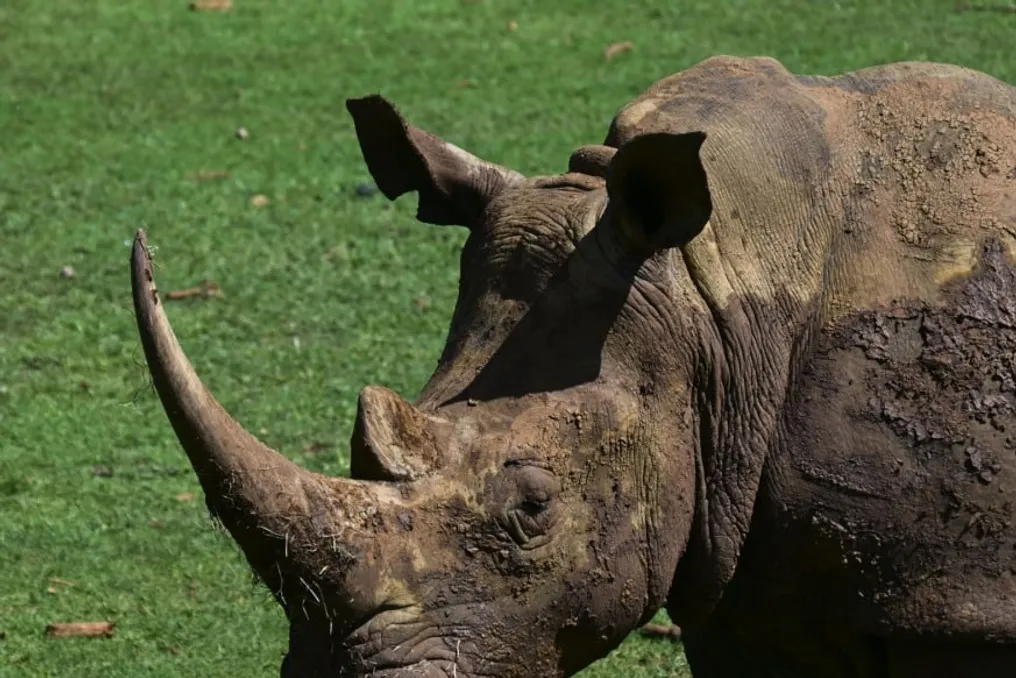
A well-preserved skull of an ancient two-horned rhinoceros, which lived approximately 8–8.5 million years ago, was discovered on the island of Crete in Greece. This find allows scientists to study the animal's diet and age thanks to the preservation of its teeth.
The fossil remains were found in March during paleontological surveys conducted in the Maganze and Trapeza areas, located within the Sithia Geopark. The skull itself was among the bones discovered by specialists.
This skull belongs to the species Dihoplus pikermiensis, whose representatives inhabited Western Eurasia during the Upper Miocene epoch. These massive two-horned rhinoceroses were part of the so-called Pikermian fauna—a collection of animals that populated this region during that historical period.
Researchers are particularly interested in three complete root teeth located in the upper left jaw. Thanks to these teeth, scientists will be able to determine what the animal fed on and establish its age more accurately.
The Sithia Geopark is included in the UNESCO Global Geoparks network, and its geological history spans almost 300 million years. Previously, reports of a newly described species of small feathered dinosaur inhabiting the territory of modern China were made in the same region.