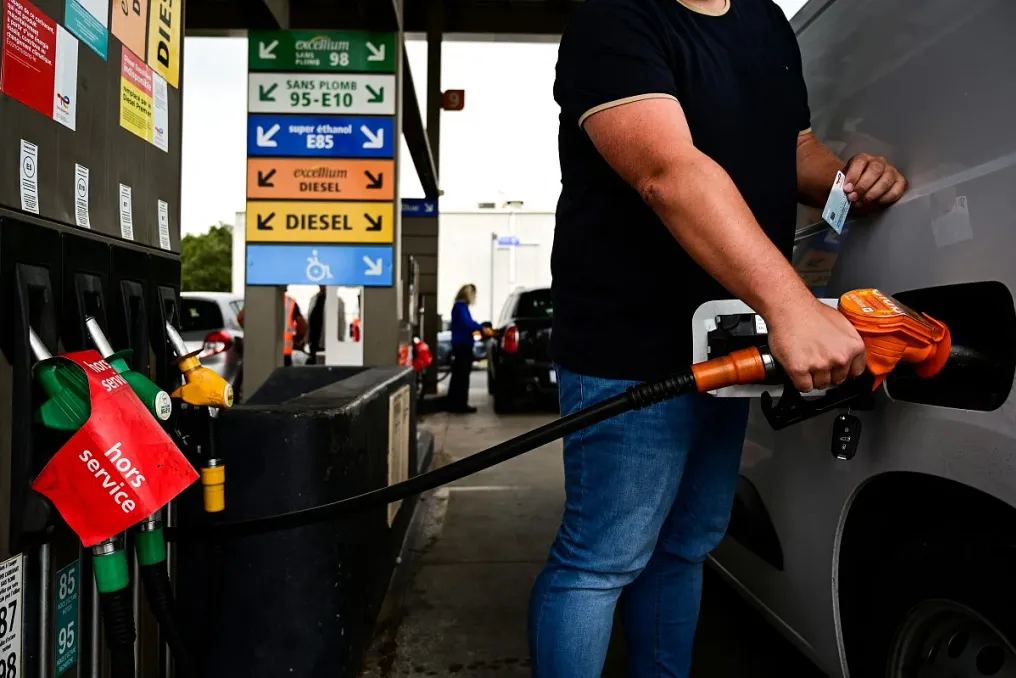
The difference in fuel cost between European and Arab countries is significant, even though both groups of countries are influenced by the global oil market. For example, filling a 50-liter sedan in Qatar costs the driver about $29, whereas the same operation in Germany can cost approximately $132.
Despite rising fuel prices in many countries due to increased global crude oil prices and geopolitical tensions, the impact of this rise on the final price at the pump varies greatly depending on the driver's region of residence.
In the United Arab Emirates, the price of Special 95 gasoline reached 4.28 dirhams per liter in October, up from 3.69 dirhams in September. This is equivalent to approximately $1.17 per liter, amounting to about $58 for a full 50-liter tank.
However, prices differ in other parts of the Arab world. In Qatar, Super 95 remains at 2.10 Qatari riyals per liter, or about $0.58, which costs approximately $29 to fill a 50-liter tank. Egypt is even cheaper: gasoline with an octane rating of 95 costs 24 Egyptian pounds per liter, which is approximately $0.46 at the current exchange rate, and a full 50-liter tank costs about $23.
Jordan demonstrates that the Arab world cannot be considered a single fuel market. After a rise in global oil and petroleum product prices in September, the country increased the price of 95-octane gasoline to 1.36 Jordanian dinars per liter in October. Filling a 50-liter tank in Jordan will cost approximately $96 at a price of about $1.92 per liter, which is closer to European prices than in Qatar, Egypt, or the UAE.
European motorists generally pay significantly more. According to the latest data from the European Commission, the price of gasoline in Germany is about €2.35 per liter, in France—€2.21, in Italy—€2.16, and in Spain—€1.94.
To fill a 50-liter tank, this corresponds to approximately $132 in Germany, $124 in France, $122 in Italy, and $109 in Spain. This contrast is striking: the same amount of fuel costs about $29 in Qatar and $58 in the UAE, while in Germany the bill can exceed $130.
The price difference is not only due to which countries extract oil. Crude oil is only one component of the final price seen by drivers at the pump. Taxes constitute a significant portion of prices in Europe. Governments introduce excise duties, value-added tax, and other fees, causing drivers to pay more than just the basic cost of the fuel itself.
The European Commission publishes both pre-tax and post-tax prices, demonstrating the contribution of taxes to the total amount paid by consumers. Furthermore, higher oil prices exert additional pressure. This week, the European Commission reported that prices remain high despite stable oil supplies, with several member states beginning to implement measures to mitigate the impact on consumers.
There is no unified fuel pricing system in Arab countries. Some Gulf countries, which are oil producers, maintain relatively low domestic prices, while other governments use subsidies or regulated prices to slow the transmission of global market changes to consumers.
The UAE applies a monthly fuel pricing mechanism that reflects fluctuations in global energy markets, allowing international price changes to appear relatively quickly at gas stations. Jordan also reviews fuel prices monthly, but authorities have stated that the government is gradually adjusting prices rather than passing on the entire increase in international prices to consumers. Meanwhile, Egypt continues to regulate domestic fuel prices, creating an additional barrier between movements in the global oil market and what drivers ultimately pay.
The comparison shows why two drivers might fill identical cars on the same day and receive drastically different bills. Oil may trade globally, but the price at the pump is largely determined by the location of that station.