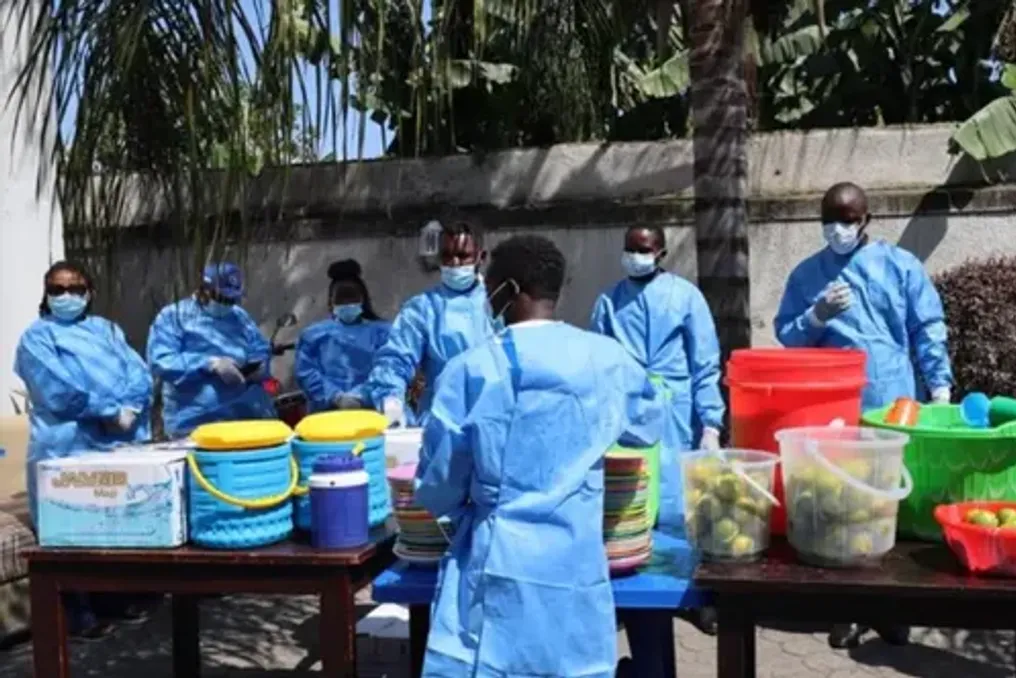
Over 8,000 Ebola outbreak cases with high mortality recorded in DR Congo
Read more
IOL
iol.co.za

Over 8,000 Ebola outbreak cases with high mortality recorded in DR Congo

According to Congolese authorities, over 8,000 cases of Ebola have been registered in the Democratic Republic of Congo, including nearly 4,000 deaths. This outbreak is considered the most serious in the country's history.

In mid-May, the DRC officially declared its seventeenth Ebola outbreak. This deadly disease has claimed more than 15,000 lives in Africa over the past five decades.

Currently, authorities have recorded 8,067 cases, of which 3,901 are deaths and 2,070 have recovered. The latest official data indicates a fatality rate of 48.4 percent.

The outbreak began in the northeastern province of Ituri and has spread to seven provinces. The highest number of registered cases is in Ituri, North Kivu, and Upper Uele.

Despite the initial rapid increase in cases, the pace has slowed. However, the African Union's health agency, Africa CDC, believes that the outbreak is 'out of control.'

Tests for various vaccines and treatments against the Bundibugyo strain of Ebola are currently underway, although no approved vaccine or treatment is available yet.

Medical assistance faces resource shortages in remote areas. The situation is complicated by armed groups obstructing movement, as well as mistrust from some local populations, leading to violence against humanitarian personnel.

According to the latest report from the Ministry of Health of Congo, a case identification worker was killed during an armed attack on a medical post in North Kivu province. The report also highlighted the 'low capacity' to treat cases in medical centers in Ituri province.

Furthermore, in the northeastern province of Tshopo, where cases are being recorded, there is a 'complete shortage' of supplies of the experimental vaccine against the Bundibugyo strain.

In recent weeks, the DRC began administering the first doses of the Ervebo vaccine to frontline medical staff as part of clinical trials. This vaccine has proven effective against the previously most common Zaire strain.

In August, approximately 70,000 doses of Ervebo were allocated to the DRC from the global Ebola vaccine reserve. Additionally, last week, the United States announced an allocation of another $267 million to combat Ebola.
Similar stories

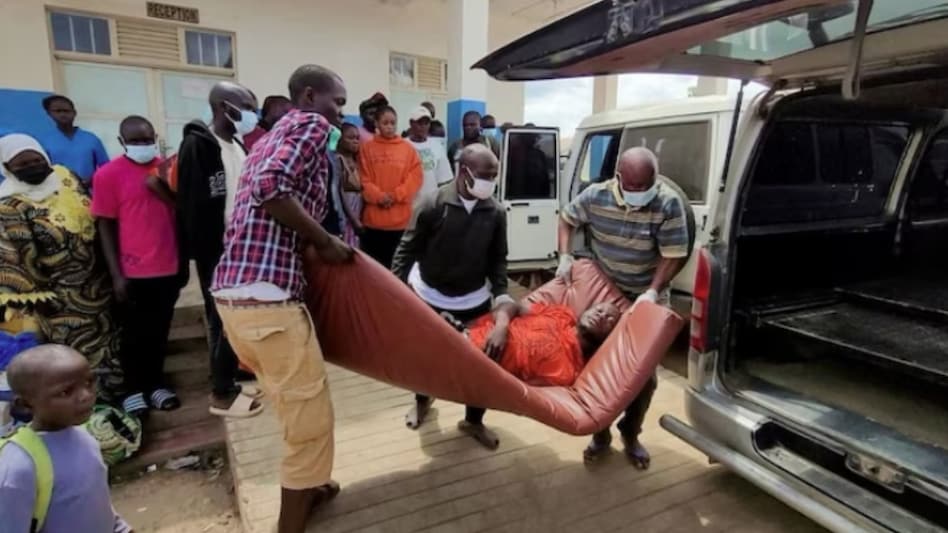
Ebola spirals out of control in DRC: 8067 cases registered, shortage of medical personnel worsens the situation
Read more
www.aajtak.in

Ebola spirals out of control in DRC: 8067 cases registered, shortage of medical personnel worsens the situation

The Ebola outbreak in the Democratic Republic of Congo is escalating to unprecedented levels. As of now, 8067 cases have been recorded in the country, resulting in 3901 deaths. These figures are current as of September 26 and cover 63 health zones across 7 provinces out of the country's 26.

The mortality rate is extremely high: more than 48 people die for every 100 infected. The primary concern stems from the acute shortage of medical staff in Congo to combat this disease. This outbreak is the 17th and deadliest in Congo's history. The cause is the dangerous Bundibugyo virus, for which no approved treatment or vaccine currently exists.

According to the World Health Organization (WHO), a significant number of people die before they can even reach a hospital, indicating an inability to provide timely medical care. Furthermore, delays in diagnosis and untimely treatment are serious factors contributing to the rising death toll.

Public distrust is a serious obstacle in fighting the epidemic. Some people consider the disease to be a fabrication, which has led to attacks on medical personnel and treatment centers in several areas.

On Sunday, Mari-Celestine Karondova, an official of the ruling UDPS party, was attacked. According to the party, he was defending government measures to combat Ebola during a radio broadcast. Karondova's condition is reported as serious following the attack. He serves as the executive federal chairman of the party in the Kwembombo province, North Kivu. Following the incident, the party demanded that the government investigate the matter.

Due to the threatening nature of Ebola, accelerated steps are being taken to mobilize resources to contain its spread. However, this is negatively impacting other types of medical services. According to data from the UN's OCHA, routine primary healthcare services in the Ituri province decreased by 13% between April and June. People are also avoiding hospitals due to fear.

Despite some local decreases in new cases, the disease continues to spread in other regions. Data from Africa CDC shows that the current rate of spread exceeds the pace of Ebola in West Africa during 2014–2016. The WHO has warned that if the pace does not slow down, the outbreak could reach the level of the old crisis, where approximately 11 thousand people died.

The most significant problem remains the lack of medical personnel. Strikes have occurred in some places due to delayed and absent salary payments. Africa CDC reports that 50 healthcare workers have died since the start of the outbreak. The situation is complicated by violence, strikes among medical workers, and constant population displacement, making all attempts to stop the disease extremely difficult.

Popular