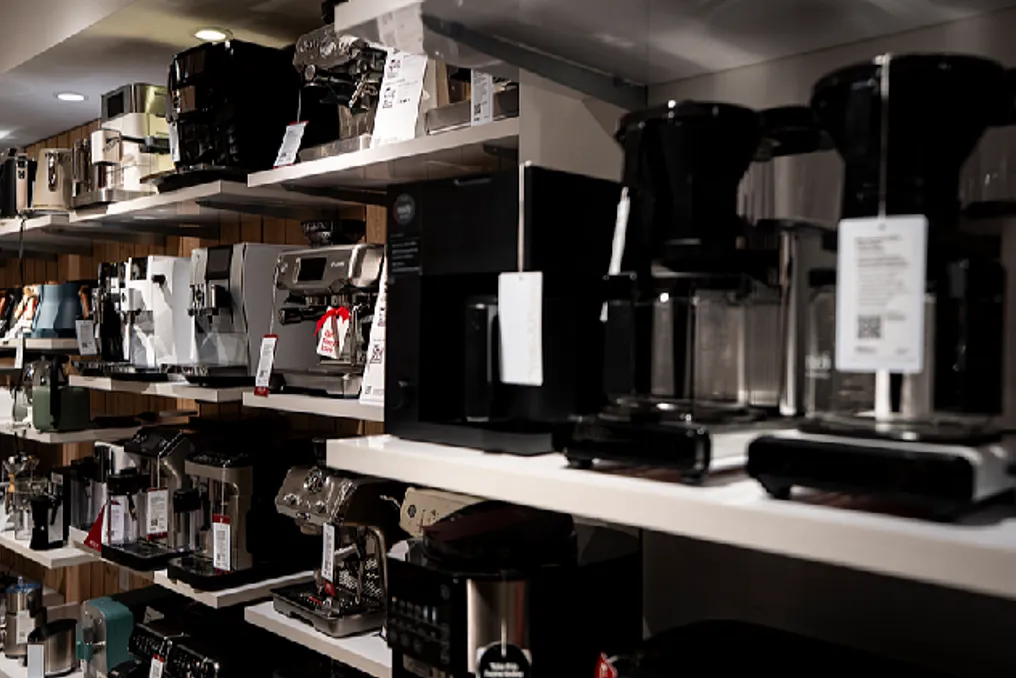
Despite many Americans using household appliances daily, such appliances have become more expensive in recent years. The price increase occurred against the backdrop of the US imposing additional tariffs on Chinese imports. These tariffs covered a wide range of goods—from high-tech products like solar panels, electric vehicles, and semiconductors, to everyday consumer goods, including toys, bags, and home appliances.
However, fluctuations in consumer prices related to trade disputes between China and the US may soon stabilize. Following recent trade negotiations, China and the United States reached an agreement on mutual tariff reductions on $30 billion worth of goods from each side. For American buyers, this could result in lower prices for household items such as bedding, blankets, and coffee makers.
When tariffs against China were at their peak, even having a baby cost significantly more. According to a report published by the US Joint Economic Committee in 2025, new parents in the United States paid 24% more for essential baby goods, and the total increase in expenses for young parents in 2025 was estimated at $875 million.
A significant part of this increase was linked to the tariffs imposed by the United States on trading partners, including China. A Goldman Sachs analysis conducted last year showed that American consumers bore 55% of the additional import costs, which intensified the financial pressure caused by inflation for several reasons.
Toys were also among the affected goods. The Christmas season of 2025 proved particularly difficult for many families due to sharp price increases on certain toys. For example, the Jingle Bell Express train set, which cost $160 online in 2024, rose to $200 in 2025, and Barbie dolls, priced at $20 in grocery stores, increased to $30, according to media reports.
The impact was not limited to families with children. A study by the Yale University Center for Political Studies found that American consumers faced a 39% increase in prices for leather goods, including bags and shoes, around the same time last year.
Nevertheless, the recent tariff reductions may help consumers. Tu Xincuan, Dean of the WTO Research Institute of the Chinese University of International Business and Economics, stated in an interview with CGTN that the reduction of tariffs on $60 billion worth of goods traded between China and the US ahead of the holiday season could ease the burden on American households.
Tu noted: 'Since most goods that China exports to the US are everyday consumer goods, including small home appliances, toys, and holiday items, the tariff reduction should provide tangible support in reducing household expenses and improving the standard of living for Americans.'