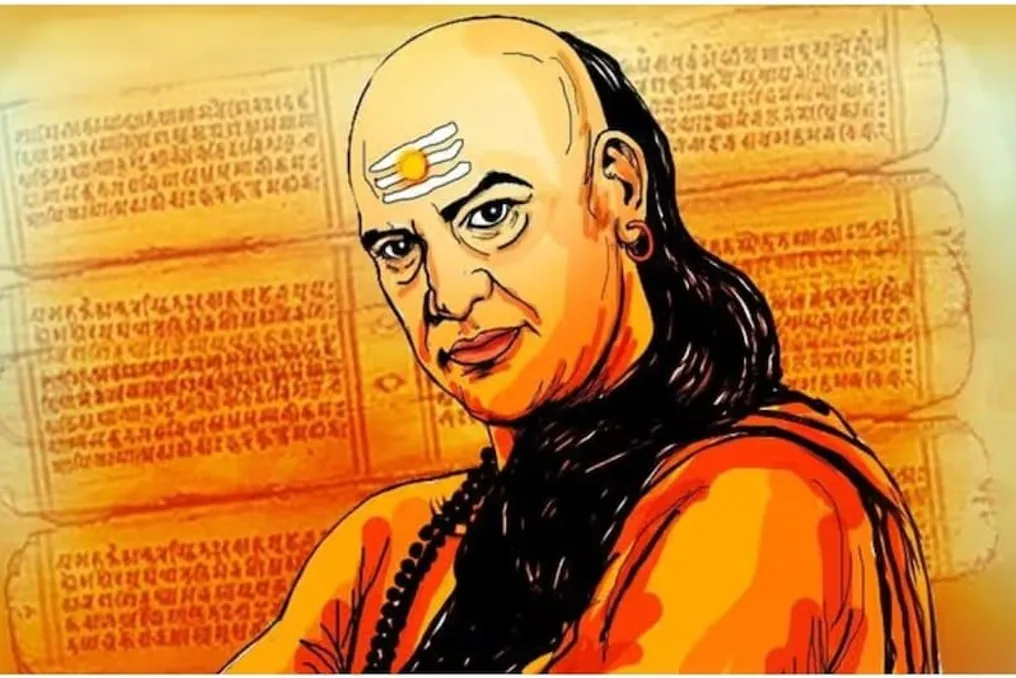
Not all information requires voicing. Sometimes discussing personal matters, family circumstances, or personal achievements with others can lead to future difficulties. Acharya Chankaya also recommended in his teachings to keep certain things secret. Similar points are mentioned in the 17th verse of Chapter 14 of Chankaya Niti.
In Chankaya's view, a wise person understands what information to disclose, when, and to whom. Excessive dissemination of information can reveal a person's weaknesses or personal standing. Below are five aspects that Chankaya advised keeping confidential.
Medicines created or personally tested
Chankaya Niti contains a warning against disclosing information about medicines or treatment methods that a person has used or developed themselves. A broader interpretation of this rule implies the need for thoughtful exchange of personal information and experience. In the modern era, instead of sharing information about treatment or health without proper knowledge, it is crucial to consult a specialist, as the same method may not suit everyone.
Displaying religious acts and merits
Chankaya advises against constantly mentioning one's religious practices, such as prayers, worship, sacrifices, or charity. The goal of good deeds should be to help those in need and achieve inner satisfaction, not to gain praise. This lesson can be linked to today's social media era: it is not necessary to make every act of charity or personal religious activity public. Some deeds are better performed discreetly to preserve their dignity.
Family disputes and private household matters
One should avoid discussing problems arising at home or private marital issues with everyone around. Chankaya Niti warns against publicly discussing domestic shortcomings and personal relationships. Although disagreements in the family can be common, telling every relative, friend, or acquaintance about them can worsen the situation. If the problem is serious, it is more appropriate to seek advice from a trusted person or expert.
Bad food or unpleasant experiences
Chankaya Niti also states that one should not publicly discuss cases of poorly prepared or spoiled food. The broad meaning of this provision is that not every unpleasant experience requires immediate disclosure. In the current climate, this can be interpreted as: before reacting to a minor incident or personal experience on social media, one should think. Words spoken hastily can cause problems later.
Rumors about someone's condemnation
It is also necessary to refrain from spreading negative rumors about anyone. Chankaya Niti warns against revealing heard critical remarks. Today, this lesson is even more relevant, as any information can quickly spread through social networks and messengers. Spreading negative information about a person without verification can cause misunderstandings and conflicts.
The importance of silence in Chankaya's politics
Chankaya's teachings emphasize not only what to say but also when to say it. The original text provides an example with a nightingale, emphasizing the need to remain silent until the appropriate moment. The main message is that not every utterance is wise. Before sharing personal information, future plans, or family matters, one must carefully consider how reliable the listener is and whether there is truly a need to disclose this information.