The G7 group decided to release a total of 100 million barrels of diesel, along with other strategic reserves.
Similar stories
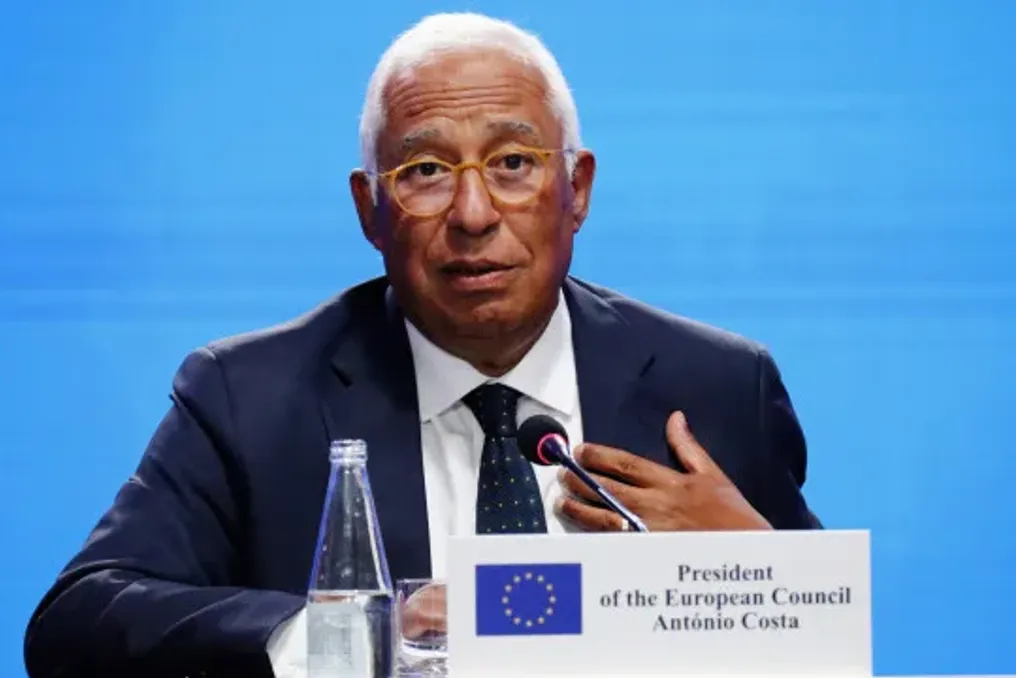
António Costa welcomed G7 decision to release 100 million barrels of diesel fuel
António Costa expressed support for the coordinated measures adopted today by the G7 group in response to the global energy situation. The President of the European Council particularly noted the G7 countries' agreement on the coordinated release of 100 million barrels through the International Energy Agency (IEA). This release is set to begin immediately and last for four months, providing for the preliminary supply of diesel fuel to G7 members and third countries.
Furthermore, Costa highly praised the commitment made by the parties that there will be no restrictions on the export of energy and energy carriers between G7 countries, as well as the call for all producers to refrain from imposing bans that could increase market tension.
Costa emphasized that the topic will be re-examined by the heads of state and government of the European Union at the upcoming European Council summit scheduled for October 15 and 16, to understand how to mitigate the impact of rising energy prices on citizens, businesses, and industry.
He also stated that this crisis demonstrates the importance of reducing dependence on fossil fuels and accelerating the transition to domestically produced energy sources.
Earlier the same day, in the afternoon, ambassadors of EU member states gathered in Brussels to discuss the energy situation, with a particular focus on diesel fuel. Following the meeting, a European source reported that the European Commission informed the member states about the coordination being carried out at the EU level, including the G7 framework. Meanwhile, the Irish Presidency of the Council of the EU guaranteed continued close cooperation with the Commission's executive body to monitor the global energy situation.
French President Emmanuel Macron announced that G7 countries will release 'up to 100 million barrels' of diesel fuel and crude oil over the next four months to reduce pressure on energy markets. The French leader also confirmed that there will be no bans on the export of diesel fuel between the Group of Seven (G7) countries, which comprises the seven most industrialized nations in the world.
According to the head of state of France, whose country is currently chairing the G7 rotational system, the agreed measures of the seven largest industrialized economies 'should lead to lower prices' for fuel. The G7 includes Germany, Canada, the United States, France, Italy, the United Kingdom, and Japan, while the European Union (EU) also participates in the group's meetings.