China Enters Era of Mass Road Trips, Auto Tourism Market Exceeds 1.5 Trillion Yuan
Read more
UzDaily
uzdaily.uz

China Enters Era of Mass Road Trips, Auto Tourism Market Exceeds 1.5 Trillion Yuan

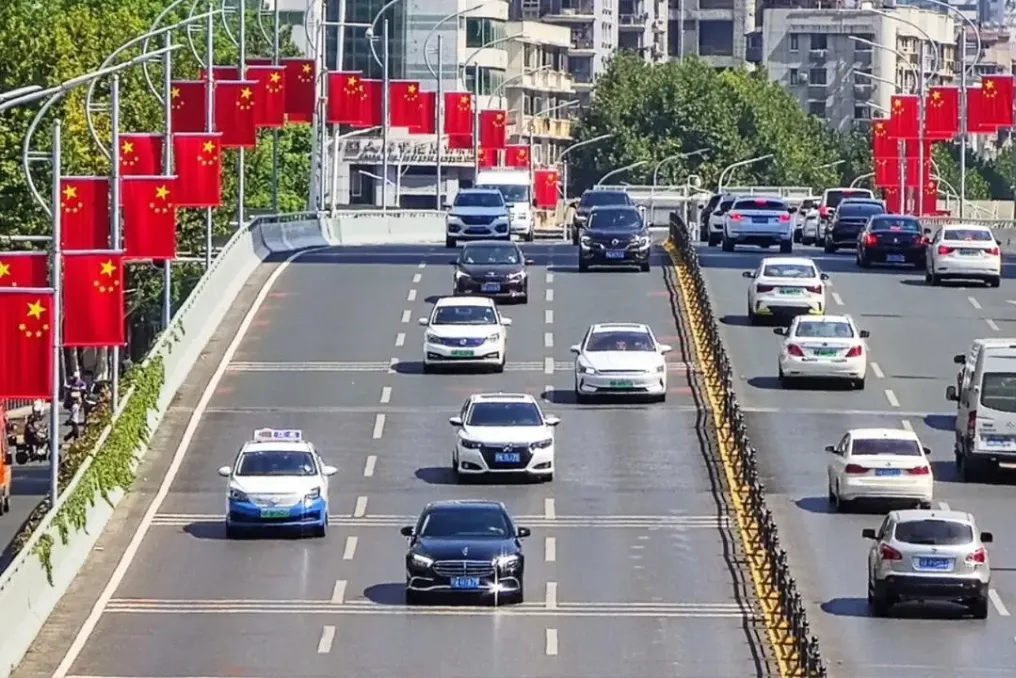
China is witnessing a transition to an era of mass road trips. During national holidays, over 90% of passenger traffic is attributed to road transport, and the country's auto tourism market exceeded 1.5 trillion yuan in 2024.

This high interest in travel is particularly noticeable during National Day celebrations, when over 90% of passenger transport is conducted by car, with private vehicle journeys accounting for the largest share. In recent years, road trips have consistently remained the primary mode of transport during holidays.

As of the end of June 2026, China had 371 million vehicles and 533 million drivers, representing the highest figures globally. Furthermore, China has held the world's top spot in automobile production and sales for 17 consecutive years.

By the end of 2025, China's total road network reached 5.5789 million kilometers, including 199,400 kilometers of expressways. Roads classified as Class IV or higher constitute 98.1% of the entire network. Regarding the length of operational expressways, China consistently ranks first globally.

With the growth of electric vehicles, the fast charging infrastructure network is also expanding. According to data from the Ministry of Transport of China, approximately 11,000 new high-power charging stations were installed at roadside service areas from January to August 2026. This is the same number that was commissioned in all previous years up to the end of 2025.

Currently, about 22,000 high-power charging stations are operational in service areas, and approximately 89,000 are installed on expressways across the country. Issues of charger shortages and long waiting times are being systematically addressed.

Infrastructure development goes beyond just having roads; it includes rest areas, food services, supply replenishment points, EV charging, and other types of amenities.

A road trip triggers a broader consumption chain that encompasses restaurants and cafes along the routes, hotels, tourist tickets, automotive accessories, travel gear, and maintenance services.

According to the 'Report on Auto Tourism Development in China,' jointly published by the Research Center of the Chinese Academy of Social Sciences and the China Tourism Transport Association, the country's auto tourism market surpassed 1.5 trillion yuan in 2024.

The audience is also expanding. According to the 'Auto Tourism Survey in Chinese Counties for 2025,' the market is gradually shifting from middle-aged travelers (35–55 years old) towards two new groups—Generation Z and the elderly. Healthy and active retirees over 60 are becoming a significant force in long-distance road trips.

Key provisions of China's 15-year Plan-5 include expanding the supply of high-quality tourism products, more active utilization of natural and cultural resources, and promoting inter-industry integration. Auto tourism stimulates consumption in the cultural and tourism sectors, connects resources in urban and rural areas, and provides an impetus to related industries thanks to the country's extensive road network.
Similar stories

Surge in Tourist Travel Across China During National Holiday
Read more
iol.co.za

Surge in Tourist Travel Across China During National Holiday

During the National Day celebration in China, there has been a significant increase in the number of travelers moving across the country—from bustling urban centers to picturesque rural areas, injecting new energy into the holiday economy.

Because the period between the Mid-Autumn Festival and National Day this year is only three days, the combined vacation window created a longer opportunity for travel, prompting many people to take more extended trips.

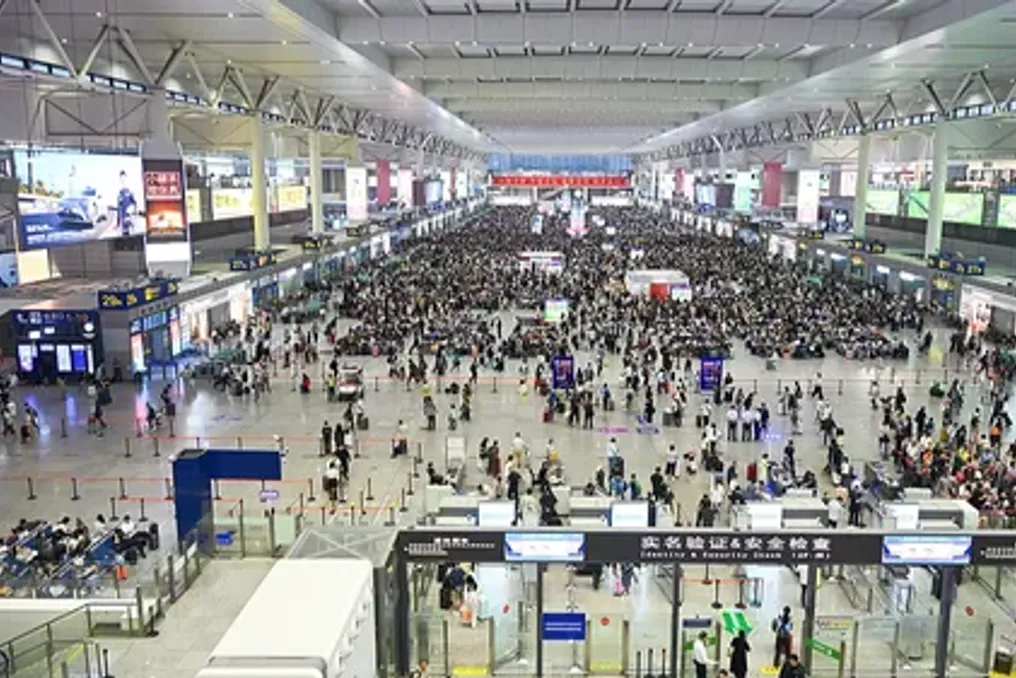
To cope with the increased demand, China Railway has increased the number of overnight high-speed trains and sleeper cars, scheduling approximately 13,000 passenger trains daily across the country during the holiday period. Major railway hubs in popular destinations, such as Shanghai and Chengdu, have switched to 24-hour operation.

At Shanghai Hongqiao railway station, capacity was increased by about 30%. During peak hours, trains arrive or depart approximately every five minutes, comparable to the frequency of service on major city metros.

Additional overnight services proved particularly convenient for families with children. For instance, Ms. Hu and her family utilized an overnight sleeper train from Beijing West Railway Station to Kunming South Railway Station, planning to spend the holiday in Kunming—a popular destination in Yunnan Province in southwestern China.

Ms. Hu noted: 'The overnight train is more comfortable when traveling with children. We are looking forward to the famous Yunnan mushroom hotpot in Kunming.' Families with children and groups of young travelers could be seen on the trains. By six in the morning, the crew conducted two rounds of wake-up calls for passengers arriving at their destinations.

After the overnight journey, the Hu family crossed a significant portion of China, passing through seven provinces and regions—Beijing, Hebei, Henan, Hubei, Hunan, Guizhou, and Yunnan—and ascending to an altitude of about 1,900 meters. The train arrived in Kunming the next morning, allowing them to complete the long journey without the need for daytime transfers.

Although major cities remain popular, more travelers are heading to lesser-known places as improvements in transportation, infrastructure, and tourism services make them increasingly accessible.

In Bucin County, located in the northwest of the Xinjiang Uyghur Autonomous Region in China, for example, the holiday coincides with the region's magnificent autumn season, attracting a large number of visitors.

Mr. Li and his family took a flight of over five hours from Guangzhou in southern China to Altai Sudu Airport in Xinjiang. After renting a car at the airport, they drove along the Axe Highway, turning the journey itself into part of the experience as they passed through the region's autumn landscapes. The Axe Highway is a scenic route spanning 209 kilometers in Xinjiang, running from the city of Altai to Hemu Village in Bucin County, winding through the region's most stunning autumn scenery.

The Ministry of Transport forecasts that the number of tourists renting cars after arriving by plane or high-speed train will increase by more than 20% compared to the previous year during the holiday period.

Bucin, located in Altai Prefecture, Xinjiang, is known as a 'dream border town' and serves as a major transit hub for visitors heading to the well-known scenic areas of Kanas and Hemu. To welcome guests, the county organized a rich program of cultural and tourist events, including autumn excursions, folk performances, intangible cultural heritage experiences, and local cuisine.

The appeal of these locations also encourages visitors to stay longer. Some tourists who initially planned only a short stop extended their stay for several days after experiencing the performances and activities in the region.

Self-driving tours also contributed to the holiday rush, as highways across the country faced heavy traffic. At the Wuzhuang toll plaza, located on the border of Anhui and Jiangsu provinces, which has the highest number of lanes among all toll plazas in China, traffic exceeded 150,000 vehicles on October 1st, more than four times the usual volume. On average, a car passed through the barriers every second.

At the Meizun service area along the Shanghai-Nanjing expressway, drivers spent an average of 25 minutes during stops. During this time, about 60 cups of milk tea and coffee were sold, around 500 people watched face-changing shows and ethnic dances, and approximately 160 people tasted local delicacies, including Huainan beef soup, Xialongbao dumplings, and Xinjiang noodles.

From overnight journeys to long road trips—holiday travel across China is becoming increasingly diverse and flexible. As travelers move beyond simple transit to stay, explore, and experience local life, every departure and arrival gives momentum to the country's dynamic holiday economy.

Popular