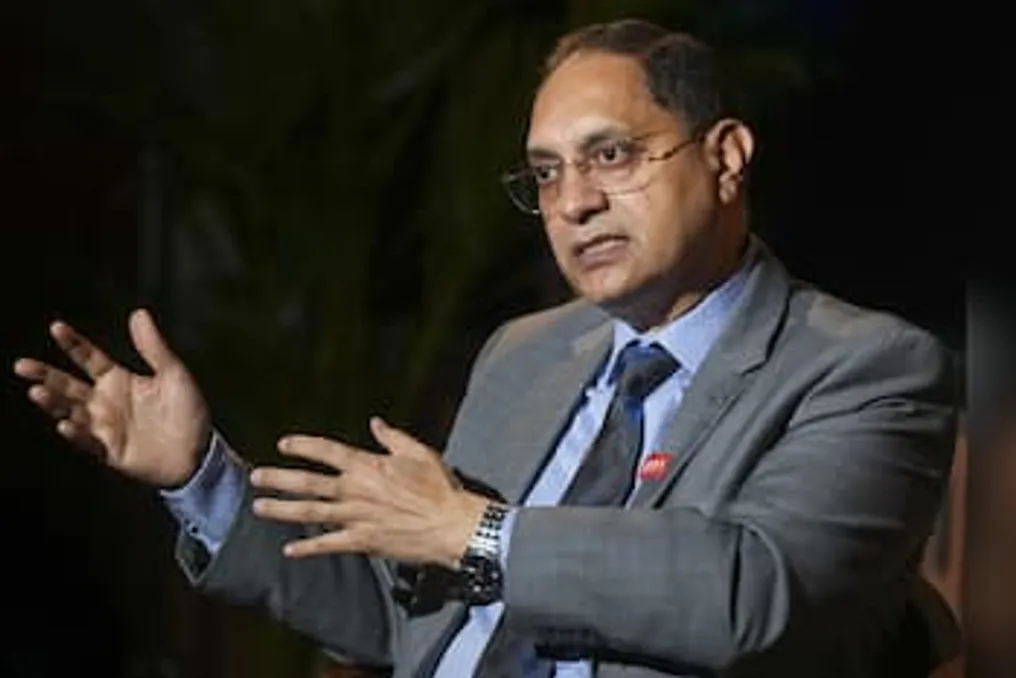
Uzbekistan developed an open banking model earlier than many Western markets. A common API layer was created over the national payment systems Uzcard and Humo, which allows applications to access customer data and cards. This was reported by a British publication following an interview with Oliver Hughes, head of international business at TBC Group, as reflected in the Fintech Times publication.
According to Hughes, this API layer enables any card to be linked to any application. This allows companies to view transaction history and balances, as well as debit funds from customer cards. This infrastructure supports services such as P2P transfers, QR code payments, mobile top-ups, and utility bill payments.
However, digital wallets, familiar in the West, have not yet gained widespread adoption in the country. Hughes attributes the market's uniqueness to its history. Back in the early 2000s, when he worked at Visa, his colleagues responsible for Central Asia faced difficulties entering the Uzbek market. The obstacle was the dominant local payment system integrated with all banks in the country.
In Hughes' opinion, the reasons for this were partly commercial and partly political: the Central Bank and the government sought to protect the national payment environment. Over time, a second system, Humo, emerged, and then the authorities realized the potential of creating a compatible layer over existing systems. As a result, something was created that, in his assessment, was ahead of its time and paved the way for a wide range of digital payment services, and subsequently, mobile banking.
The TBC Group builds its business on this infrastructure. The company entered the Uzbek market about five years ago and, according to Hughes, was the first to offer mobile banking in the country. It now operates through the TBC UZ banking application and the Payme payment service, being one of the three or four largest players in the segment where users link cards and make payments. In Uzbekistan, TBC has 23 million registered users and 6 million monthly active users.
Hughes believes that the ready-made infrastructure gives the market a significant advantage: companies do not need to build it from scratch, allowing them to launch financial services faster. In his observation, the transition in Uzbekistan from cash to cashless payments is happening much faster than in other countries where he has worked. Open banking transaction data, combined with a centralized credit bureau, government digital services, and telecom operator data, also allows banks to quickly assess borrowers and issue loans online.
The market is becoming more open. Visa and Mastercard are gradually expanding their presence, and banks are issuing more and more of their cards. A law has been adopted permitting tokenization and, in certain cases, the storage and processing of personal data abroad, which will allow for the launch of Apple Pay and Google Pay. According to Hughes, these services may appear by the end of the year. The new rules do not apply to banks because, due to banking secrecy requirements, most of their data must be stored within the country.
Nevertheless, Hughes noted that the infrastructure alone is not enough to ensure rapid development. The market requires further legislative improvement, solving the shortage of specialists, and modernizing some technologies that have been in use for about two decades. He emphasized: 'This is a changing payment landscape, but it starts from a very high point.'