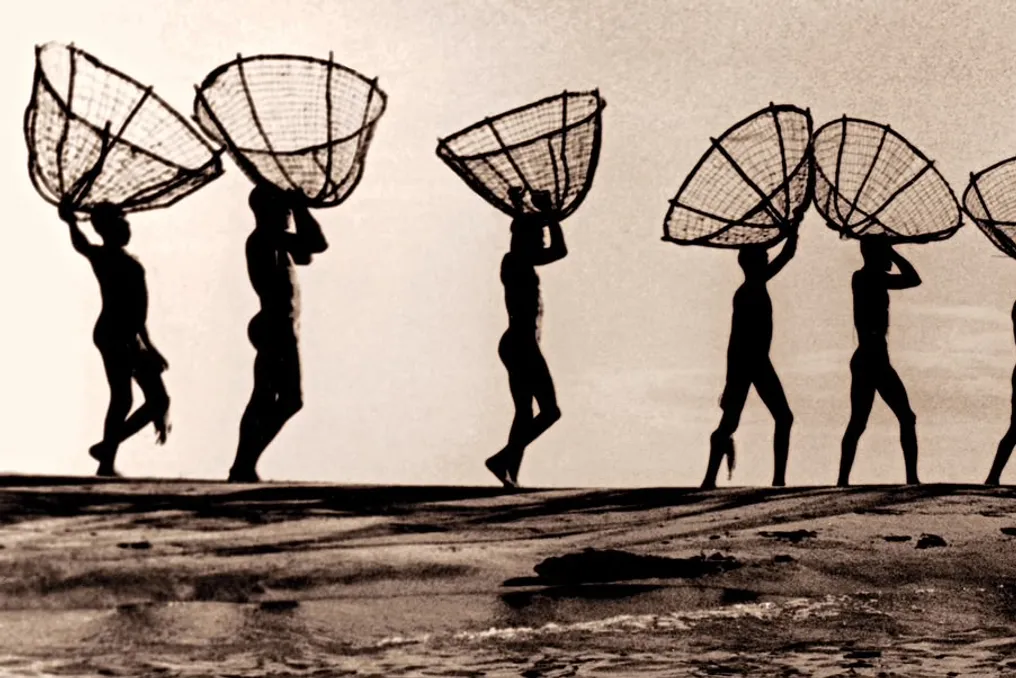
Exhibition features book that influenced the start of Sebastião Salgado's career in photography
Read more
Viagem e Turismo
viagemeturismo.abril.com.br

Exhibition features book that influenced the start of Sebastião Salgado's career in photography

Sebastião Salgado, one of the world's most renowned photographers, did not always begin his career with a camera. In the early 1970s, he worked as an economist at the International Coffee Organization when a book gifted by his wife, Lélia, forever changed his life path and his perspective on photography.

This book, 'Vanishing Africa' by Kenyan and Italian photographer Mirella Ricciardi, had such a profound impact on the Brazilian that it became the decisive impetus for him to dedicate himself to the art form that defined the subsequent decades of his life.

The current exhibition, celebrating the 25th anniversary of the Mario Cohen Gallery in São Paulo, presents a meeting between the works of Ricciardi and Salgado. It is a dialogue between the photographs she took in Africa and those Salgado captured in the Amazon.

The Elegance of the Gaze

This immersion into an aspect that returns to the roots of the Brazilian's creativity, who passed away in May 2025 at the age of 81. The exhibition, which has free entry, began at the end of September and will be available for visits until November 11.

The main themes of the exhibition are Ricciardi's book 'Vanishing Africa' itself and Salgado's 'Amazônia' works. Curated by Lillian Passe, 'The Elegance of the Gaze' contrasts 17 photographs from the two artists while simultaneously offering a conversation and highlighting the authorial identity of each. Furthermore, they demonstrate commonalities in how they view the peoples immortalized by their lenses.

Among the main exhibits, some images by Mirella Ricciardi are being shown in Brazil for the first time.

Passe explains in the curatorial text presenting the exhibition: 'Here we want to emphasize the similarities, especially both of their sensitivity to the lighting of authentic elegance emanating from nature and the depicted people, whether it is a gesture, an ornament, or each person's relationship with their territory.'

Venue

The exhibition takes place at the Mario Cohen Gallery, located at Rua Cap. Francisco Padilha, 69 – Jardim Europa, in São Paulo. It is open from September 29 to November 11, 2026, operating on Tuesdays and Thursdays (from 2:00 PM to 6:00 PM), Fridays (from 11:00 AM to 6:00 PM), and Saturdays (from 11:00 AM to 4:00 PM).

Cost

Access to the exhibition is free. Additional information is available on the official website of the Mario Cohen Gallery.
Similar stories

Launch of the book 'The History of Pinacoteca Benedicto Calixto' in Santos with unprecedented records
Read more
g1.globo.com

Launch of the book 'The History of Pinacoteca Benedicto Calixto' in Santos with unprecedented records

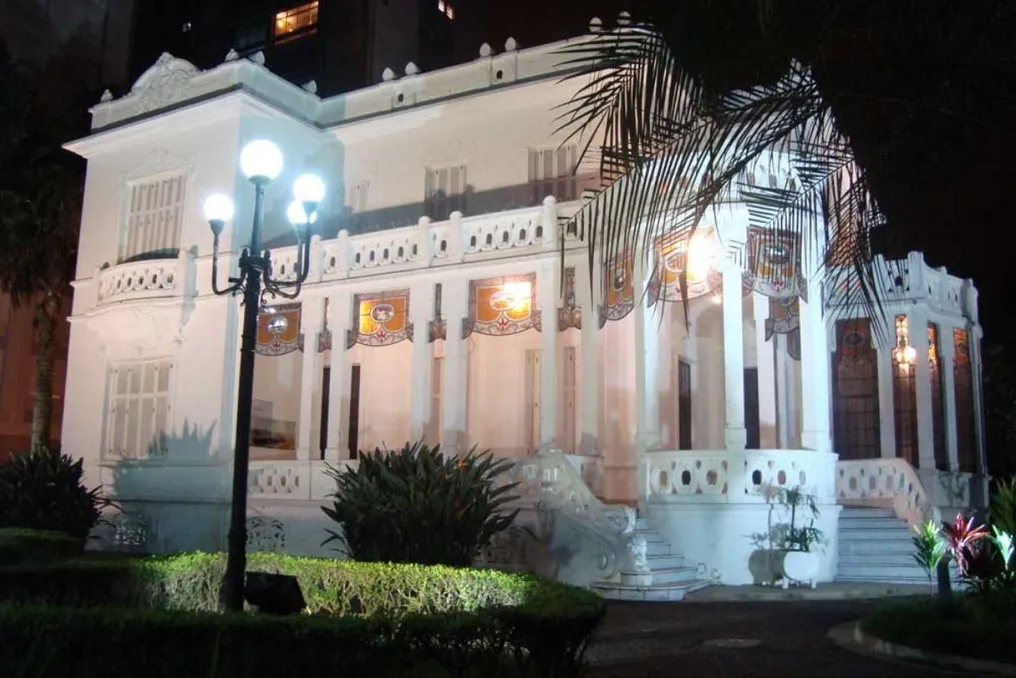
The book titled 'The History of Pinacoteca Benedicto Calixto,' which documents the forty years of the institution's existence in Santos, on the coast of São Paulo, will be launched this Thursday (1). The work, written by journalist and historian Sergio Willians, has 221 pages and compiles documents, photographs, and never-before-seen records about the journey of the Pinacoteca and the Casarão Branco, its headquarters.

The launch event will take place at 6 p.m. at the institution's headquarters, located at Avenida Bartolomeu de Gusmão, 15, and will include an autograph session with the author.

The publication details a chronology that begins with the construction of the Casarão Branco, passing through the various uses of the property until the foundation of the Pinacoteca Benedicto Calixto Foundation, established in 1986. Furthermore, the book recovers the entity's trajectory through records of managers, employees, exhibitions, concerts, cultural activities, and other actions carried out over four decades.

To create the work, Sergio Willians conducted research in the archives of the Pinacoteca itself, the newspaper A Tribuna, and the Historical and Geographical Institute of Santos. The material also documents the participation of founders, directors, presidents, artists, council members, collaborators, and professionals involved in the restoration of the mansion.

During the launch, Roberto Clemente Santini, president of the Pinacoteca, will present two paintings by Benedicto Calixto that were recently acquired by the Pinacoteca Benedicto Calixto Foundation.

Who was Benedicto Calixto?

Benedicto Calixto, painter, draftsman, and researcher, was born in 1853 in Itanhaém, on the coast of São Paulo. The artist gained notable prominence for his works representing the landscapes and historical aspects of the São Paulo coast, becoming a reference in the safeguarding of regional memory, according to a statement from the City Hall of Santos.

Part of Calixto's collection is housed in the Pinacoteca named after him, and his relationship with the institution is explored in the book. After the foundation was created, fourteen canvases by the painter were donated to the location.

The Casarão Branco

The Casarão Branco was built in 1900 by the German Anton Carl Dick. Over the years, the property experienced various periods of use and conservation, mirroring the economic and urban changes of Santos.

In 1985, the property was integrated into municipal heritage for its preservation. The following year, the Pinacoteca Benedicto Calixto Foundation was established. After undergoing a restoration process, the mansion was officially inaugurated and made available to the public in 1992.

Among the highlights of the book are unprecedented photographs from the 1920s, the period when the Pires family resided in the property. These records display the interiors of the residence and allow for a comparison between the layout of the mansion during that period and the current one.

One of the images presented shows the old dining room, which today corresponds to the main hall of the Pinacoteca, used for exhibitions, concerts, and events. The author Sergio Willians commented that 'It was one of the great surprises of the research. I had never seen those images, and they practically allow you to enter that 1920s residence.'

Scientists present digital reconstruction of the appearance of the oldest sapiens from Jebel Irhoud
Read more
nplus1.ru

Scientists present digital reconstruction of the appearance of the oldest sapiens from Jebel Irhoud

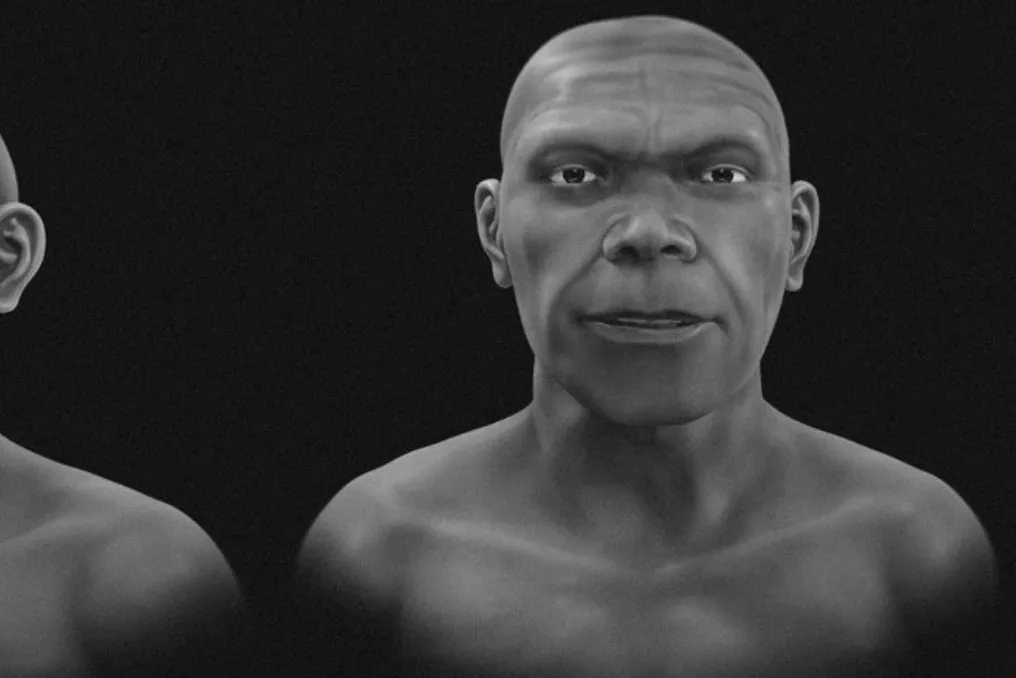
Brazilian Cícero Morais, together with his team of colleagues, carried out a digital reconstruction of the appearance of an archaic human found in Jebel Irhoud. Video and photo materials related to the remains from this archaeological site were used to create this model.

The researchers were able to build a three-dimensional model of the Irhoud-1 skull, filling in missing fragments using other fossils discovered in the same cave. The specialists first created a scientific version of the hominin's appearance, rendered in monochrome gray tones, to avoid including details that were not scientifically confirmed.

In addition, the authors of the new publication, published in the journal Heritage, released an artistic reconstruction of this person. This version includes speculation regarding skin, eye, and hair color, as well as details about hairstyle and beard.

Popular