During Pitru Paksha 2026, which is dedicated to honoring ancestors, people perform Tarpan, Pindad, and Sharaddha rituals to express respect and ensure the peace of mind of their deceased relatives. During this time, there are many different views regarding dietary rules.
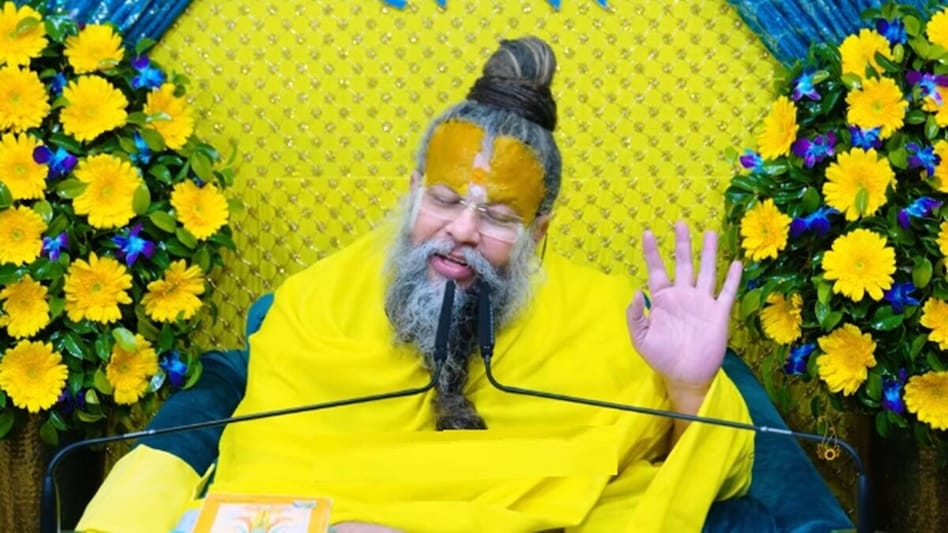
A frequent question concerns whether family members can consume food cooked at home on the day of an ancestor's Sharaddha ceremony. This question was posed to Premanand Maharaj, and a video of his answer became a topic of discussion on social media. The Maharaj explained the proper order of eating during Sharaddha days and the significance of Brahman Bhoj.
According to Premanand Maharaj's opinion, on the day an ancestor's Sharaddha is performed at home, it is first necessary to feed the Brahmin according to established rituals. He described the tradition where the Brahmin should be respectfully welcomed, have their feet washed, receive Aarti, and be seated for a meal.
He noted that one or several Brahmins can be fed depending on the family's capacity, and only after that, the offering (Dakshina) should be given. Only then can family members accept the Prasad from the Sharaddha.
According to this tradition, the food prepared for Sharaddha is first offered according to the prescribed procedure, and then the Brahman Bhoj is held. After this, family members partake in the food as Prasad. Therefore, it cannot be stated that family members cannot eat during Sharaddha days; the key point is the order of eating and the traditions of Sharaddha Karma. It is also noted that differences in Sharaddha practices may exist across various families and regions.
During the performance of Sharaddha Karma, it is generally customary to prepare Sattvic food. In many families, the use of onion, garlic, and some other ingredients is excluded. Dishes include seasonal vegetables, dal, rice, puri, kheer, and other traditional delicacies.
Nevertheless, the ingredients and cooking rules for Sharaddha can vary depending on the region, family, and tradition. Therefore, it is considered appropriate to follow one's family traditions or local religious customs.
In the Hindu religious tradition, the Brahman Bhoj during Sharaddha Karma holds great importance. There is a belief that food prepared with sincere faith and adherence to rituals is dedicated to the ancestors. This is why the tradition of feeding Brahmins or needy people persists in many places during Sharaddha days.
Premanand Maharaj also emphasized in his response the necessity of respectfully feeding the Brahmin on the day of Sharaddha, and subsequently accepting the Prasad.
The word 'Sharaddha' itself is related to faith. Therefore, the goal of this ritual is not merely preparing food or following any specific rule, but expressing gratitude and respect to the ancestors. If a family has developed its own special tradition for performing Sharaddha, it is right to proceed according to it. Since there are disagreements among different sects and regions regarding religious beliefs, one tradition cannot be considered a mandatory rule for everyone.