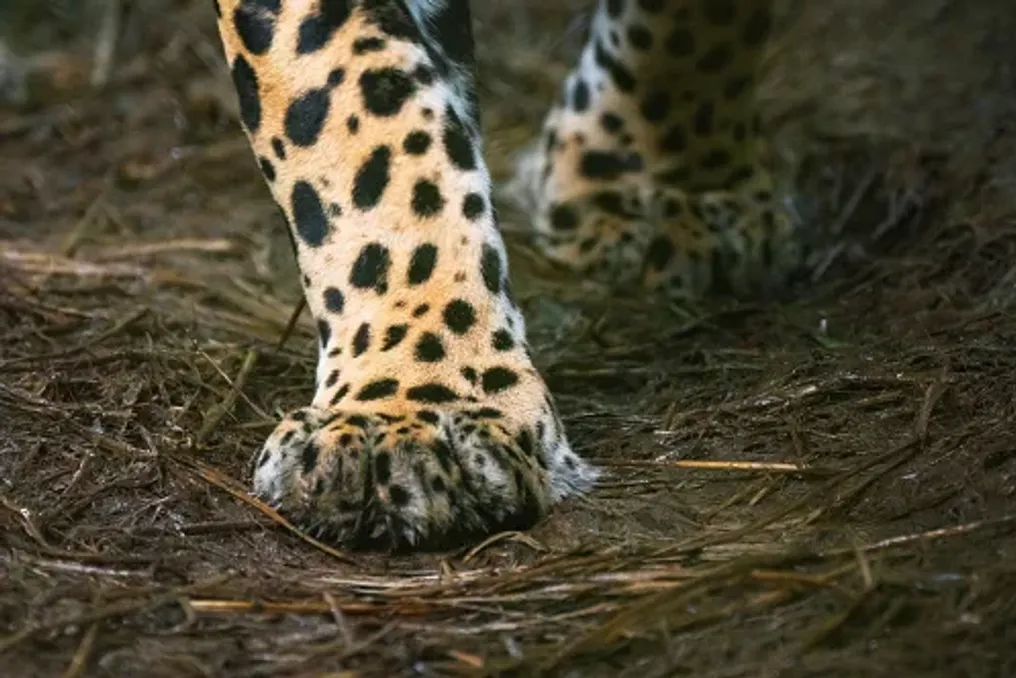
Wildlife encounters can be one of the most memorable moments of a vacation, whether it's watching elephants on safari, whales off the coast, or rare birds in the forest. However, not every experience that brings people close to animals is beneficial for the animals themselves.
World Animal Day, celebrated today, October 4th, serves as a reminder to view the world from the animals' perspective. This year's theme, 'Seeing the world through their eyes,' prompts us to look beyond our own experiences and consider how our choices affect the animals we encounter, including while traveling.
Responsible wildlife tourism does not mean completely abstaining from interacting with animals. It implies choosing experiences that allow them to behave naturally and provide them with the necessary space to do so.
Small changes, such as refraining from tactile interaction or researching wildlife attractions before booking, can help make your next animal encounter more considerate.
One of the simplest ways to make a wildlife encounter more responsible is to choose activities where you observe rather than touch. Wild animals do not need to interact with tourists for an encounter to be meaningful. A safari drive, a guided birdwatching tour, a whale-watching boat trip, or visiting a properly managed protected area allows travelers to see animals without turning them into part of an entertainment spectacle.
The ABTA guide for travelers advises maintaining a sufficient distance from wild animals so that people do not disturb or interfere with their natural behavior. It also warns against touching, feeding, teasing, or provoking wild animals. In other words, getting the closest photo does not always equate to the best wildlife interaction experience.
If an animal approaches on its own, one should resist the temptation to push it toward further closeness. It must be allowed to move away and its path must not be blocked.
The allure of offering to pet, hug, ride, swim with, or walk alongside a wild animal might seem unforgettable, but such contacts can raise serious concerns about animal welfare. World Animal Protection recommends that wild animals be observed in their natural habitats, noting that tourist activities should prioritize animal welfare over entertainment.
ABTA's guidelines on animal welfare similarly deem several types of direct contact activities unacceptable, including tourists interacting with wild cats, great apes, bears, crocodiles, and other wild animals, as well as elephant rides and swimming. These principles also address similar activities.
This does not mean that every animal encounter is the same. Welfare concerns vary depending on the species and circumstances. But when an activity is built around physical interaction between tourists and wild animals, one should question whether the animal has a genuine choice in that interaction.
The same applies to selfies with wild animals. If an animal cannot move away from the person taking the picture, the interaction is not truly voluntary. ABTA specifically cautions against photo opportunities for tourists where wild animals have no right to end the interaction or move away.
Feeding an animal might seem harmless, especially if it yields a memorable photograph, but it can alter the animal's behavior and create problems for both wildlife and humans. SANParks strictly prohibits feeding wild animals and considers intentional harassment of animals a serious offense. It warns that animals accustomed to human food can become dependent on people and become aggressive or dangerous.
Feeding can also encourage animals to associate humans, vehicles, or campsites with food. Whether you are on safari, walking in a reserve, or visiting a coastal area, refrain from the temptation to offer snacks to animals. This includes situations where an animal appears to be expecting food. The responsible choice is to follow the rules of the protected area and allow wildlife to forage naturally.
A site calling itself a reserve, sanctuary, or rehabilitation center does not automatically tell you everything you need to know about how animals are treated there. Before booking, look deeper than just photos and marketing slogans. Find out where the animals come from, whether breeding occurs, if visitors are allowed to touch them, and what happens to animals that are rehabilitated or released.
In South Africa, travelers can also refer to WildChoices, which assesses wildlife tourism establishments in captivity against industry guidelines and provides recommendations for support. This initiative describes its recommendations as a voluntary tool to help tourists and the tourism industry make more informed decisions.
A responsible establishment should be able to explain its animal care methods, rather than relying solely on words like 'ethical,' 'rescue,' or 'conservation.' Information regarding veterinary care, housing conditions, breeding, animal origins, and the role of tourism in the facility's operations should be sought.
Wildlife activities should not require animals to perform tricks for visitors. World Animal Protection defines forced performances and close contact as warning signs when assessing wildlife attractions. ABTA guidelines also consider shows and tourist interactions with wild animals unacceptable if training involves punishment or food deprivation, causes fear or injury, or requires animals to perform unnatural behaviors.
A better alternative is an experience where the animal's natural behavior is the attraction. Feeding elephants, a troop of monkeys moving through trees, or a colony of penguins gathering on the shore can be fascinating without any human direction.
The less control an experience requires over an animal, the more opportunities there are to see authentic behavior. Even when observing animals in the wild, your presence can influence their behavior. A responsible wildlife encounter means paying attention to signs that the animal is uncomfortable. If it repeatedly moves away, becomes agitated, or shows other signs of distress, give it more space instead of asking a guide or driver to get closer.
ABTA advises travelers not to encourage guides to pursue animals exhibiting avoidance or anxious behavior. It is also recommended to avoid breeding sites, such as nests, burrows, and dens, as disturbance can affect the animals and, in some cases, cause parents to abandon their young.
Wildlife photography can prompt people to chase the perfect shot, but patience is often the best approach. Stay on designated roads and trails, follow the instructions of guides and protected area authorities, and allow animals to move freely. In South African national parks, feeding or intentionally disturbing wild animals is prohibited, and visitors are required to comply with park rules and regulations.
Sometimes the kindest thing a traveler can do is accept that an animal is too far away for the perfect photograph. Responsible wildlife tourism does not necessarily mean missing out on wonderful animal encounters. It can mean experiencing them differently. Instead of asking how close you can get, ask if the animal can move away. Instead of seeking an attraction where you can touch wild animals, seek one where you can observe their natural behavior. And before booking a wildlife interaction experience, take a few minutes to learn how they are treated.
Your travel choices help shape the demand for wildlife experiences. Choosing observation over interaction, refusing to feed wild animals, and supporting responsible operators can contribute to the development of tourism that gives animals more space for a natural life. On this World Animal Day, perhaps the simplest rule is the most useful: see the world through their eyes and let the animals remain animals.