Foreign Pilgrims from Ukraine, Russia, Italy, and Germany Perform Pindandana in Gaya for Ancestors
Read more
Aaj Tak
www.aajtak.in

Foreign Pilgrims from Ukraine, Russia, Italy, and Germany Perform Pindandana in Gaya for Ancestors

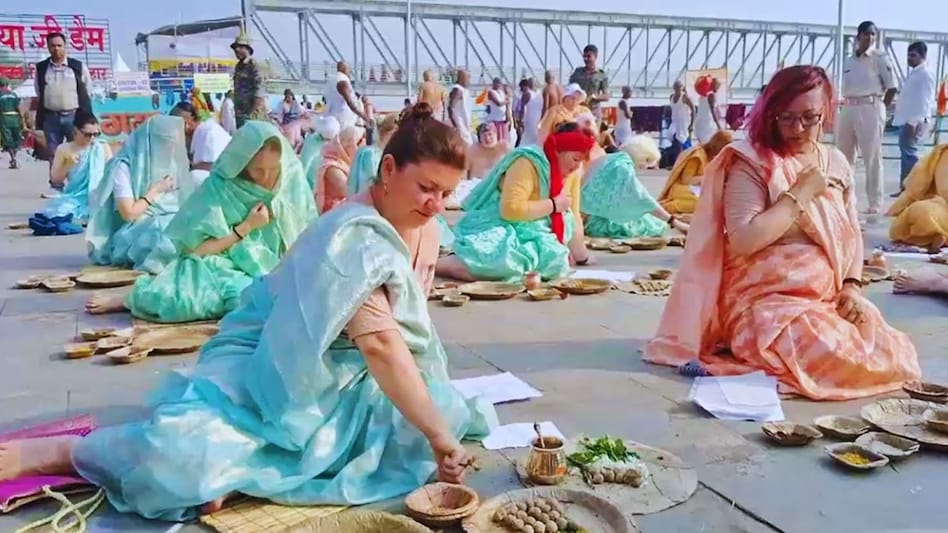
On the banks of the Falgu River in Gaya, in the Devaghat area, an unusual sight is observed: besides local residents performing pindandana for their ancestors, foreign pilgrims from countries such as Russia, Ukraine, Italy, and Germany are arriving. These devotees conduct pindandana and tarpana rituals in accordance with Vedic traditions.

During the Pitr Paksha fair, the flow of pilgrims from various parts of the country and the world continues. On the banks of the Falgu River, near the Vishnu Pad temple, many foreign pilgrims have performed pindandana and tarpana, striving to ensure peace of mind and liberation for their deceased ancestors.

The presence of foreign pilgrims has attracted attention. People from different cultures and countries received assistance from local priests to complete the pindandana and tarpana rites. Alisa Jandra from Ukraine shared that she was impressed by Hinduism and came to Gaya to pray for the liberation of her ancestors.

According to Alisa, performing this ritual in Gaya was a special experience for her, as Gaya is considered an important religious place for pindandana and tarpana. During Pitr Paksha, a large number of people from different regions of the country gather here, and this year among them are also foreign citizens. People from Russia, Ukraine, Italy, and Germany performed pindandana on the banks of the Falgu River in Devaghat.

Priest Loknat Gaud, who conducted the ceremonies for the foreign pilgrims, reported that people arrived from different countries. He noted that some of them are interested in understanding Hindu traditions. These pilgrims expressed a desire to perform pindandana based on the belief in the salvation and peace of mind of their ancestors, after which they were administered the pindandana and tarpana procedure according to Vedic customs.

Due to the presence of foreign pilgrims, the district administration took measures to ensure safety in Devaghat. Since a huge number of pilgrims gather in Gaya during the Pitr Paksha fair, the authorities organized a system to maintain order at the ghats and in major religious sites.

Some pilgrims remembered their ancestors, having come from Russia, while others came from Ukraine, and pilgrims from Italy and Germany also performed the same religious rites on the banks of the Falgu River. Photographs of Devaghat emphasize that people from different countries have become part of one religious tradition. Foreign pilgrims performed pindandana and tarpana under the guidance of local priests. Now, international pilgrims also participate in the religious ceremonies held in Gaya during Pitr Paksha, making pindandana for the peace and liberation of ancestors an important part of their journey.
Similar stories

During Pitr Paksha 2026, pilgrims arrived in Badrinath from Russia to perform pindandana
Read more
www.aajtak.in

During Pitr Paksha 2026, pilgrims arrived in Badrinath from Russia to perform pindandana

During the period of Pitr Paksha, people travel to sacred places to perform rites commemorating their ancestors. Badrinath, located in Chamoli, Uttarakhand, is known as an abode of liberation due to the veneration of Lord Vishnu. It is here that pilgrims arrive from afar to perform Sharaddha, pindandana, and tarpan for their ancestors at the Brahmakapal temple.

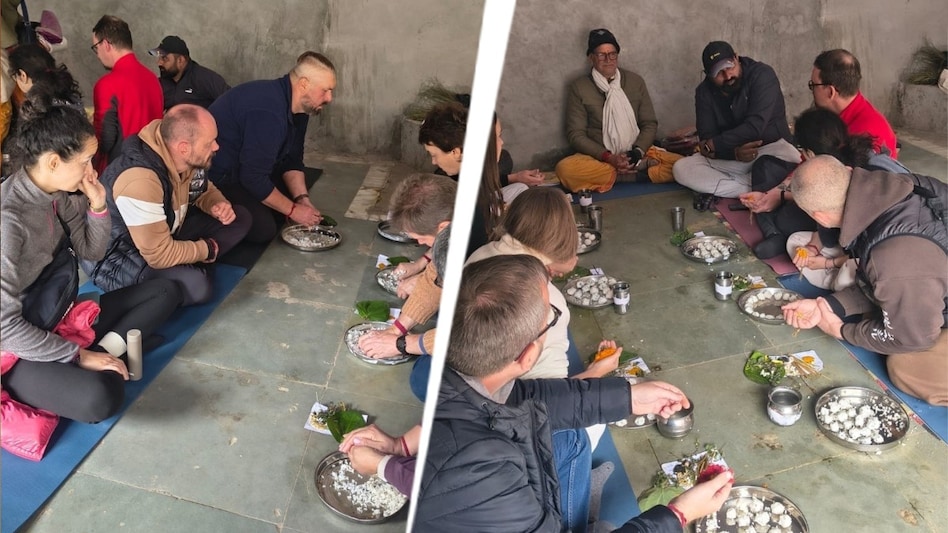
On Wednesday, a group of foreign pilgrims from Moscow, Russia, arrived here and performed the ancestral commemoration rite with deep reverence at the Brahmakapal shrine. Seven Russian pilgrims conducted the rituals of pindandana and tarpana at Brahmakapal for their ancestors, expressing wishes for their spiritual peace and liberation. These pilgrims, who traveled to Badrinath from abroad, expressed their faith in the traditions and beliefs of this place, noting how pleased they were to perform pindandana for their ancestors at Brahmakapal.

Although religious rites in memory of ancestors are held across the country in various holy places, the pindandana at Brahmakapal, located in Badrinath, Uttarakhand, holds special significance. According to religious beliefs, performing pindandana and tarpana here brings liberation to ancestors and relieves them of ancestral debt. Badrinath is not only one of the main places of worship for Lord Vishnu but also an important center of Hindu faith as a land for fulfilling ancestral duties and achieving liberation.

At the Brahmakapal shrine, situated on the banks of the Alaknanda River, pilgrims visit year-round to perform pindandana and tarpana in memory of their ancestors. The flow of pilgrims from different states across the country intensifies particularly during these fifteen days of Pitr Paksha. It is believed that pindandana and tarpana performed at Brahmakapal ensure the liberation of ancestors and relieve the family of ancestral obligation.

In the Puranas, Brahmakapal also holds special religious significance. According to legends, Brahma had five heads. Lord Shiva severed the fifth head of Brahma, but it did not separate from Lord Shiva's Trishula. After traveling through all three worlds, when Lord Shiva reached Badrikashram, the fifth head of Brahma separated from his Trishula. This place acquired special religious significance as Brahmakapal. It is said that Lord Shiva performed pindandana for this fifth head of Brahma and bestowed a blessing whereby any pilgrim performing pindandana for their ancestors on this sacred land in Kali Yuga will attain liberation for their ancestors.

Popular