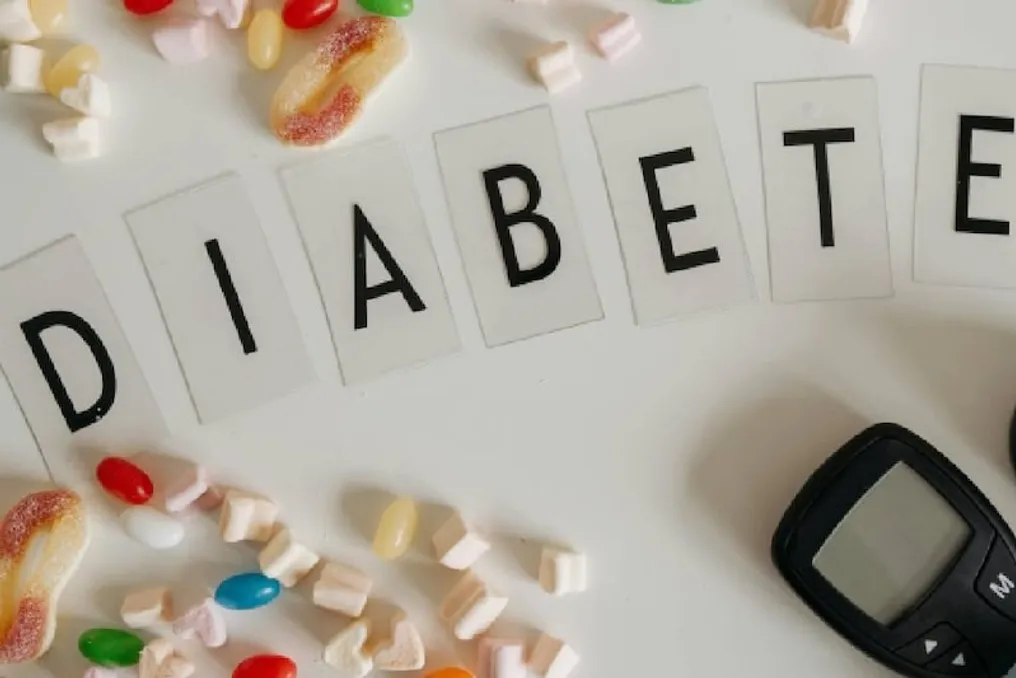
Study shows rise in high blood sugar and mental stress issues in the country
Read more
Aaj Tak
www.aajtak.in

Study shows rise in high blood sugar and mental stress issues in the country

According to the latest healthcare data, the country is experiencing an accelerated rise in health problems such as diabetes and mental stress. This data indicates that a significant number of people have elevated blood sugar levels, and about 40 percent of respondents reported high levels of stress.

The reports also point to the substantial influence of a person's financial situation on access to medical examinations.

According to the Workforce Health Index 2026, an increase in blood sugar was detected in approximately four out of ten cases. Out of a total of 7088 HbA1c reports, 38.7 percent contained indicators corresponding to prediabetes or diabetes. HbA1c is a blood test that allows for the assessment of the average sugar level in the body over the last two to three months, providing important information about long-term sugar control.

In addition to the sugar level issue, data regarding mental health has emerged. Out of a total of 7346 people, 40.4 percent reported extremely high levels of mental stress during the last week, indicating that a large number of people are experiencing severe stress.

Differences in the use of medical insurance were also noted: the proportion of claims related to family members was higher than among employees themselves. Of all claims, 66.5 percent were related to family members, while the share of claims from employees was 33.5 percent, demonstrating that insurance is used not only by workers but also by their relatives.

A large difference in access to medical examination depending on economic status was identified. Among people with an annual income of less than 300 thousand rupees, only 15.6 percent reported undergoing a full diagnostic examination. In comparison, among individuals with an annual income of 4 million rupees or more, this figure increased to 54.3 percent.
Similar stories

High Blood Pressure at Age 30: Symptoms and Doctors' Recommendations for Control
Read more
www.aajtak.in

High Blood Pressure at Age 30: Symptoms and Doctors' Recommendations for Control

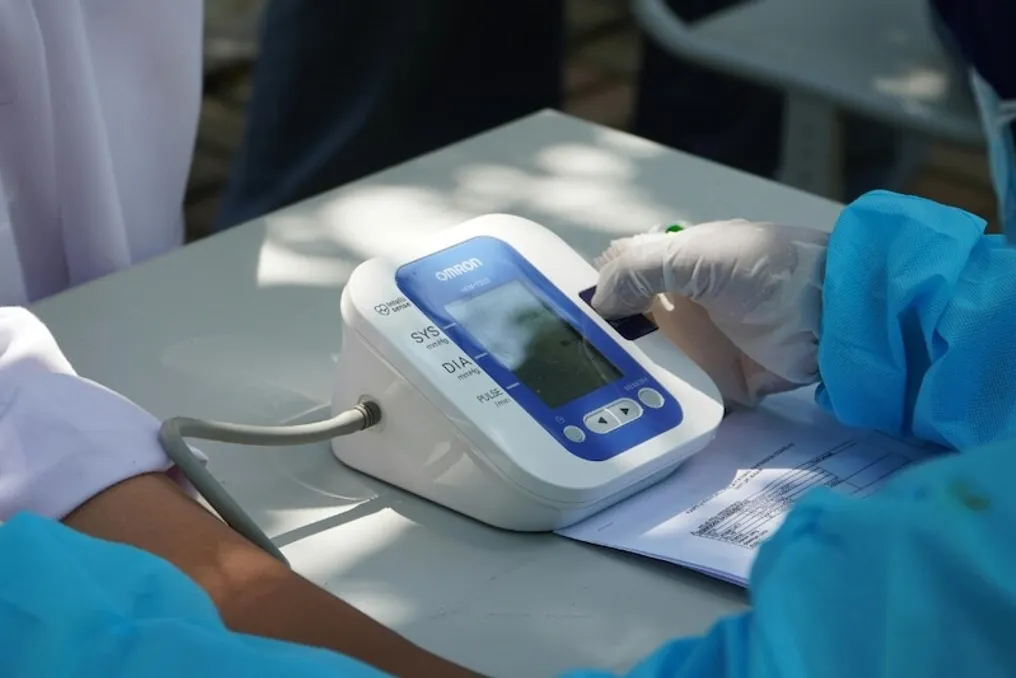
Hypertension can develop even at the age of 30. Doctors are increasingly encountering such cases, and in most instances, no obvious symptoms are present. High blood pressure is only detected during routine check-ups, and it is only after multiple measurements that it is determined to be hypertension. Therefore, specialists advise people in their 30s to regularly check and monitor their blood pressure.

Dr. Gangandhip S, director of the cardiology department at Medanta Hospital in Gurgaon, spoke about this issue. He noted that high blood pressure usually develops without any signs, such as chest pain or shortness of breath. However, it gradually damages arteries while the person continues their daily activities, feeling completely normal. This is why high blood pressure is called a 'silent killer.'

Dr. Gangandhip stated that people in their 30s are currently suffering from hypertension. Patients come to him who appear healthy and active, but upon routine examination, they are found to have elevated blood pressure. In some of them, the condition is controlled by medication.

Causes of this disease in young age include an unhealthy lifestyle, long working hours, increased screen time, sleep disorders, as well as consuming large amounts of salt and processed food. The complexity lies in the fact that the pressure rises slowly, over months or even years. Meanwhile, the heart works under greater strain with each beat, and the blood vessels gradually lose elasticity. If no action is taken, the risk of heart attack, stroke, and kidney damage increases.

It should not be assumed that blood pressure checks are only for people over 50 years old. Even if you are 30, it is recommended to measure your blood pressure at least 5–10 times a year, even if you feel perfectly healthy. A mere five-minute check can detect the problem in time. When conducting tests, it is important to pay attention not to a single reading, but to the overall picture. One instance of elevated pressure due to severe stress is not a diagnosis, but if the readings remain high for several consecutive weeks, it may indicate high blood pressure, and in that case, a doctor should be consulted.

For prevention, special attention must be paid to nutrition, avoiding excess salt and fast food. It is also important to walk at least 2–3 thousand steps daily, ensure 6–8 hours of sleep, and manage emotional stress.

Popular