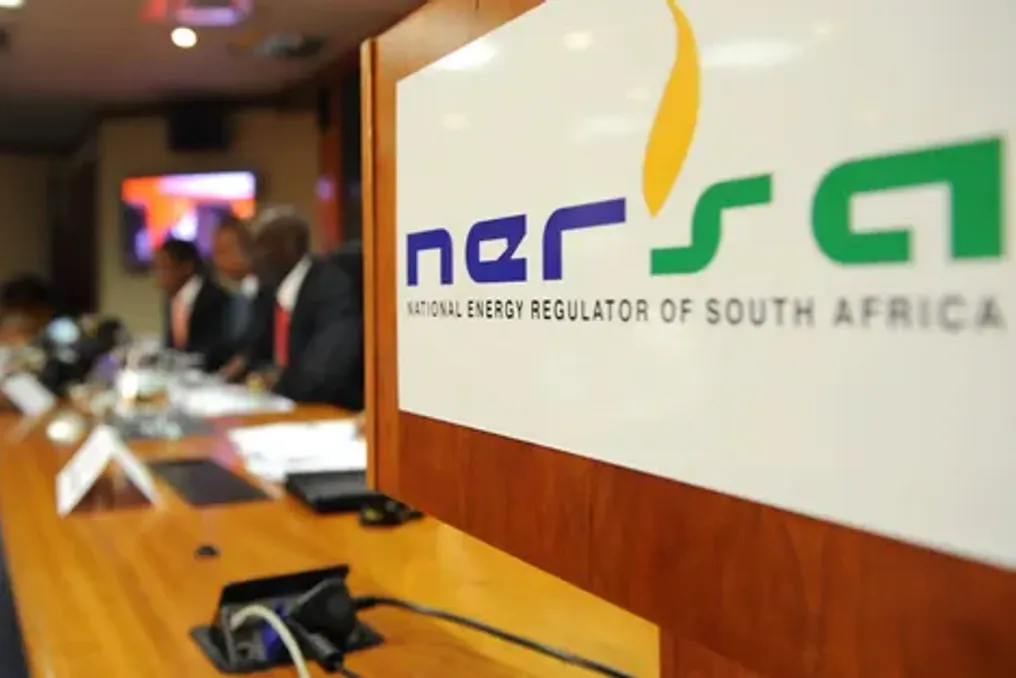
Civil and community groups have protested the proposed 8.83% increase in electricity costs by Eskom, urging the National Energy Regulator of South Africa (NERSA) to reject the proposal. Participants warn that the tariff rise will intensify financial pressure on households already struggling with rising prices for food, transport, and other essential goods.
The Shallcross Chatsworth Queensburgh Residents Association (SCQRA) has officially lodged an objection with NERSA against the proposed 8.83% tariff increase. NERSA has given the public until October 2nd to submit comments before the regulator makes a final decision in November.
If approved, the increase will take effect on April 1, 2027, for customers receiving electricity directly from Eskom. Meanwhile, municipal customers will face an 8.84% increase starting July 1st. The deadline for written submissions is 2:00 PM on October 2nd, and public hearings are scheduled for October 8th. NERSA is expected to make its final decision on November 26th.
The average price per unit of electricity will rise from 240.28 cents to 261.50 cents, representing an increase of 21.22 cents. Nazira Khan, chairperson of SCQRA, stated that Eskom's institutional recovery cannot be financed by depleted citizens who are already battling a severe cost-of-living crisis.
According to her, the exponential rise in utility bills deprives families of basic dignity, forcing them to make impossible choices between paying for electricity, food, healthcare, and education. Khan emphasized that access to reliable and affordable energy is closely linked to a safe environment and sustainable socio-economic well-being, and punitive pricing undermines community stability and survival.
She also noted that the regulator's decisions must be rational, reasonable, and procedurally fair, and any approval of this hike by NERSA amid data on hunger and unresolved municipal structural crises renders the administrative decision irrational, procedurally flawed, and legally vulnerable to judicial review.
Khan cited examples based on research and field monitoring conducted by organizations such as the Pietermaritzburg Economic Justice & Dignity Group (PMBEJD). This data shows that low-income households are forced to prioritize fixed expenses like transport and electricity before purchasing food.
She quoted data indicating that after covering transport and basic electricity consumption (totaling R3,183.35), a minimum wage earner is left with only R1,653.35 for food. This amount covers only 30.2% of the PMBEJD basic food basket, leading to a catastrophic food deficit of 69.8%. Consequently, families are forced to forgo proper nutrition just to keep the lights on and be able to get to work.
The SCQRA representative added that households dependent on social grants, such as a mother with two children receiving child support, will face 'catastrophic deficits.' The association called on NERSA to reject and dismiss Eskom's application for an 8.83% price adjustment and associated fixed fee increases.
She strongly recommended an immediate moratorium on all electricity price increases until a comprehensive structural support system is established. Furthermore, she demanded that NERSA compel Eskom to cover operational deficits through internal cost control, aggressive supply chain reform, and reduction of technical losses, rather than balancing its books on poor citizens.
Kavir Budu, chairman of the Clare Estate Civic Association, also expressed the view that the tariff increase will place an even greater burden on residents. He noted that working families, pensioners, and small businesses are already facing a rising cost of living. Budu stated that communities cannot remain silent while electricity costs continue to climb, and they must demand greater accountability, transparency in decision-making, and reliable service delivery.
Roki Naidu, chairman of the Havenside Civic Association, also stated that the proposed increases are unacceptable. He stressed that electricity costs have always increased in double-digit percentages, and the average worker, as well as the general public, cannot afford such hikes. The civic association strongly objects to these proposals.