El Niño is forming in the Pacific Ocean and may be very strong this year. Scientists from China's National Climate Center predict that by November, the sea surface temperature index could reach levels of 3.2 to 3.5 degrees Celsius. If this occurs, it could become the most powerful super El Niño since its record-keeping began.
Signs of El Niño began appearing in the equatorial part of the Pacific Ocean back in May, after which the sea surface temperature rose significantly. According to scientists, the consequences of this phenomenon will not be limited to the ocean; El Niño's influence has already been observed in China during this year's flood season. In the coming months, changes in temperature and precipitation patterns may affect China and many other regions worldwide.
Chinese scientists suggest that by November, the sea surface temperature index will reach 3.2 to 3.5 degrees Celsius, potentially making it the strongest super El Niño since observations commenced. Furthermore, the U.S. National Oceanic and Atmospheric Administration (NOAA) is closely monitoring the state of the strong El Niño.
According to September assessments, there is over a 90 percent probability that El Niño will remain very strong during the autumn-winter period of 2026. NOAA also indicated that in September, the sea surface temperature in the equatorial Pacific exceeded the norm by more than 3 degrees Celsius, with a 75 percent probability of a record-level strong event between October and December.
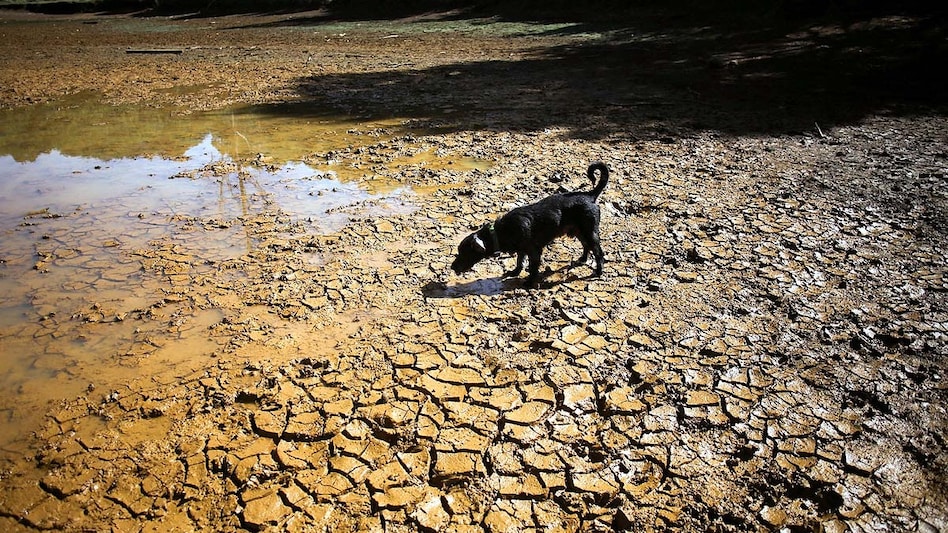
The impact of El Niño is uneven: in some areas, it may lead to increased rainfall compared to normal, while in others, reduced precipitation can cause drought. These changes in precipitation patterns can affect agriculture and water availability. In regions with excessive rain, the risk of flooding increases, whereas in areas with insufficient precipitation, water shortages and drought problems worsen. El Niño also influences temperature, contributing to an increase in the average global temperature, and rising sea temperatures can affect marine life.
Chinese scientists have already recorded the impact of El Niño in the country during this year's flood season. They note that this influence may persist into the upcoming autumn-winter period and could manifest until next spring and summer. Currently, scientists are continuously monitoring sea temperature, winds, and precipitation. How strong El Niño turns out to be in the coming months will determine the scale and nature of its impact on various parts of the world.