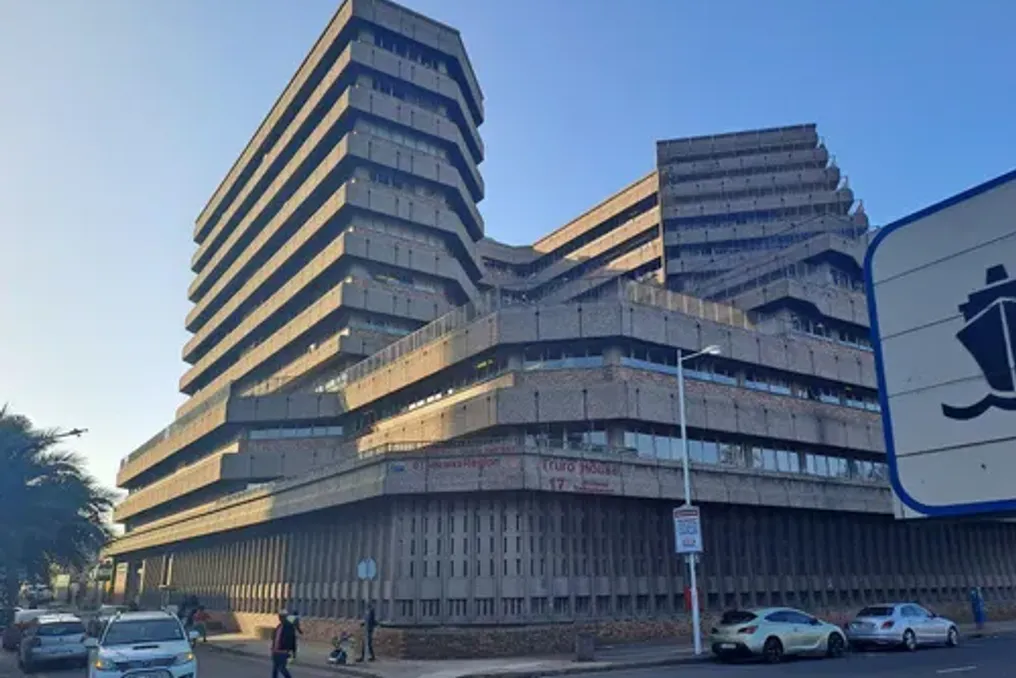
Dr. Rajendran Govender shares memories of his time at Truro House in Durban, recalling its cultural events, role in public services, and historical connection to the arrival of indentured Indian workers in Natal.
He expresses deep regret over the current state of the building, emphasizing that for him it was much more than just a government institution, as it holds very personal memories of an important stage in his life and professional career.
Govender first visited Truro House during an interview for the position of Assistant Director of Cultural Affairs. After his appointment, his office was located there, and much of his subsequent professional development in art, culture, heritage, and public service originated within those walls.
The name Truro House itself held historical significance, as it referred to the ship 'Truro' which brought the first group of indentured Indian workers to Natal in 1860. The descendants of these people made enormous contributions to the cultural, social, and economic development of South Africa.
The ground floor served as a vibrant cultural space where concerts, Diwali and Christmas celebrations, and many other cultural events were regularly held. The building was filled with people, creativity, diversity, and a sincere sense of community service.
Govender remembers wonderful people who worked in the building and noted that the structure itself was well-maintained. He also mentioned that, to his recollection, the late Arnold Singh played an important role in the planning of the building, and the dining hall was a favorite place to get delicious food at subsidized prices, making it a wonderful gathering spot for colleagues.
The author emphasizes that buildings are repositories of collective memory because they carry the traces, voices, dreams, and achievements of generations of people who passed through them. For Govender, Truro House symbolizes beginnings, opportunities, and growth.
Seeing a building with such rich history and so many memories in this condition causes deep sadness. He believes that the building, possessing such a significant historical name and once playing an important role in social and cultural life, deserves to be restored to its former dignity.