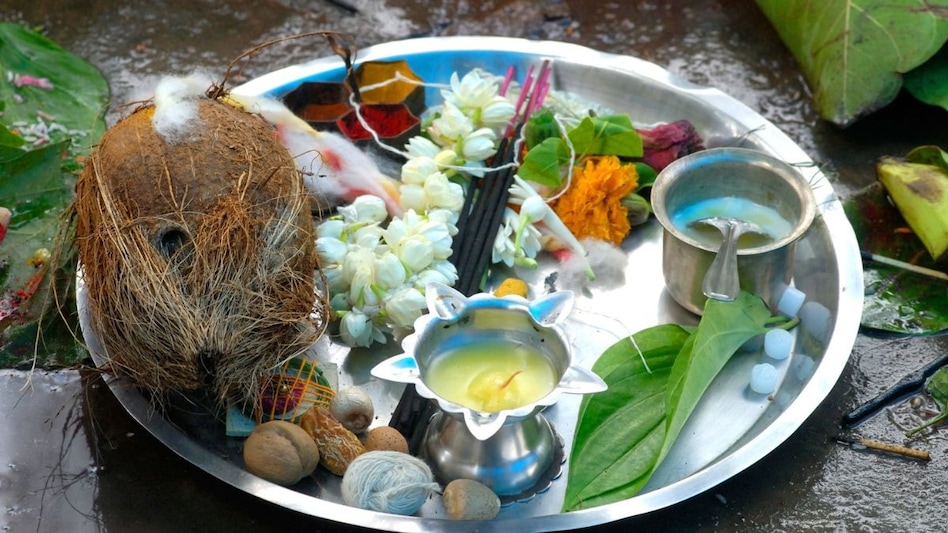
Jivitputrika Vrat, or Jatiya, which is observed with the wish for longevity and good health of offspring, falls in October 2026. During this fast, mothers observe a strict fast without water or food throughout the day and night, praying for the well-being, health, and longevity of their children. Traditionally, worship of the god Jimutavahana and listening to stories about Jatiya are conducted during this fast.
According to the Hindu Panchang, Jivitputrika Vrat is celebrated on the eighth day of the lunar month of Ashwin (Krishna Paksha). In 2026, this day will begin on October 3rd and end on October 4th. Based on the ascending date, the fast itself will be observed on October 3rd. This ritual is particularly common in the states of Bihar, Jharkhand, and Uttar Pradesh, as well as in some regions of Nepal.
The beginning of Jivitputrika Vrat is marked by the Nahai-Khaya ceremony. On this day, women observing the fast take a bath and consume sattvic food. After this, they decide to begin the strict fast the following day. According to some traditions, the special food eaten before starting the fast is called Othghan. According to available information, the Othghan process must be completed by approximately 4:30 AM on October 3rd.
On October 3rd, mothers observe a waterless fast (Nirdjala). According to religious beliefs, both food and water are forbidden on this day. In the evening, worship of the god Jimutavahana is performed, followed by the tradition of listening to stories about Jatiya.
Worship of the god Jimutavahana holds special significance during Jivitputrika Vrat. According to religious legends, Jimutavahana risked his own life to protect a child from the Naga caste. His sacrifice and compassion are associated with the protection of offspring, which is the reason for the tradition of worshipping him during Jatiya.
In some areas, stories related to falcons and jackals are also told.
On the day of the fast, it is necessary to take a bath, wear clean clothes, and take an oath. Then, a place for worship is purified, and an image or statue of the god Jimutavahana is installed. Traditionally, there is a custom of creating an image of Jimutavahana from cane and performing worship by creating figures of a falcon and a jackal from clay or dung. During the worship, fruits, flowers, and other items for the ritual are offered. After this, one must listen to the story of Jivitputrika Vrat.
The completion of the fast (Paran) is scheduled for October 4th. According to religious customs, Paran is performed on the day of the new moon (Navami), after the end of the eighth lunar month (Ashtami).
According to available calculations, the time for Paran is given for the morning of October 4th, but the exact time may vary depending on the city and local Panchang.
In religious beliefs, this fast is associated with wishes for long life, good health, and prosperity of offspring. It is a rigorous fast mainly observed by mothers. During the fast, worship of the god Jimutavahana and listening to sacred stories are performed. However, any decisions regarding health while observing the fast should be made considering individual condition and after consulting a doctor.