The National Institute of Meteorology (Inmet) points out that Brazil will face months of extreme conditions due to the intensification of the El Niño phenomenon. There is a 95% probability that El Niño will reach a very strong intensity between October and December, potentially being the most intense recorded since 1950, and its persistence is forecast until the first quarter of 2027.
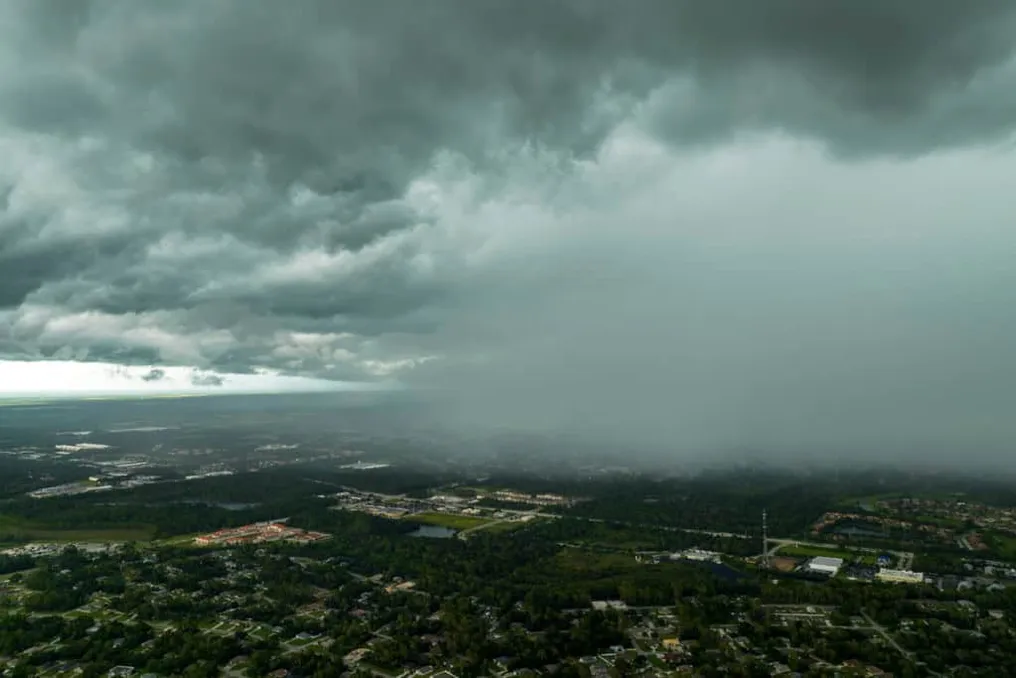
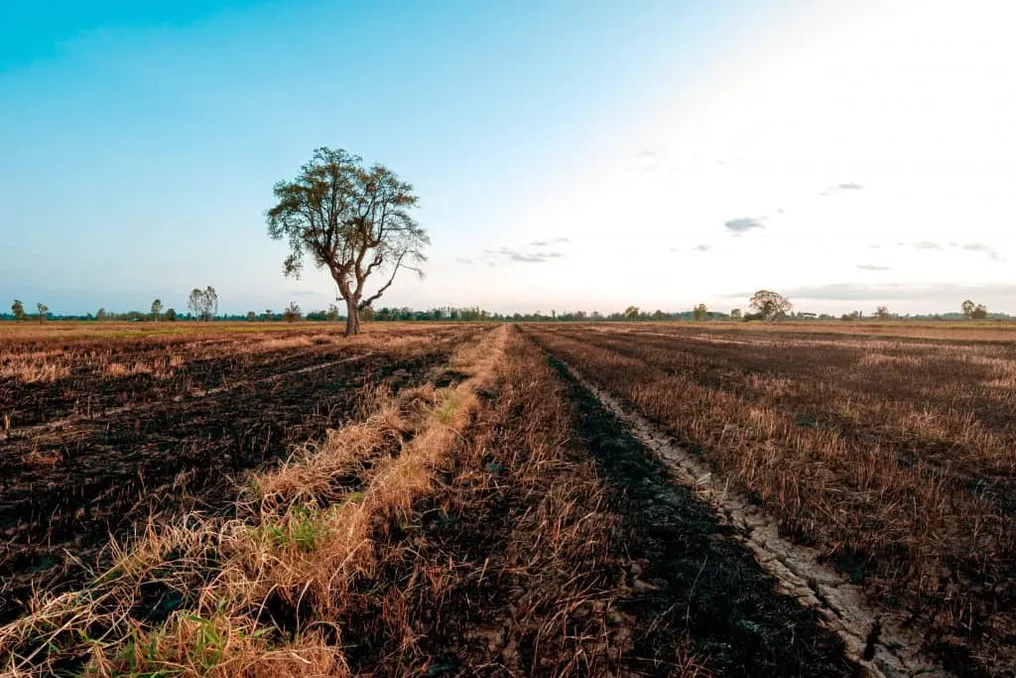
Inmet's analysis establishes two distinct scenarios for the national territory: in the center-north, drought and a higher risk of fires are expected, while the South region should record above-average rainfall, increasing the risk of flooding.
Temperatures across virtually all of Brazil are also expected to remain above normal values. El Niño was confirmed in June and has been strengthening due to the continuous warming of the waters of the Equatorial Pacific Ocean. At the end of September, temperatures were more than 2°C above average in the central and eastern areas of this ocean.
This warming contributes to the disparity between the projected extremes for the country. In the center-north, the combination of heat and lack of rain tends to worsen the drought situation. In the South, the excessive volume of precipitation keeps rivers at high levels and increases the potential for new floods.
The impacts of the drought are already visible in September data, when the number of municipalities in extreme drought jumped from four to 24 in just one month. Cases of severe drought increased from 153 to 197, with highlights in Amazonas, Bahia, Amapá, Alagoas, and Sergipe.
In the Northeast, 16% of the area is experiencing severe drought, characterizing the country's most critical scenario. In the North, the situation deteriorated rapidly in Roraima, Acre, and Amazonas. In some locations, water scarcity already prevents water collection, and navigation has been affected in stretches where rivers showed low flow. Specifically in Roraima, the Branco and Negro rivers have reduced levels, and the forecast points to below-average rainfall.
The combination of heat and dry weather intensifies pressure on rural areas and raises the danger of fires. Among the expected effects, while the drought progresses in parts of the country, the South will deal with excess water. Abundant rains have already caused floods and raised rivers, notably in the Taquari Valley and along the Caí River in Rio Grande do Sul, as well as in municipalities in Santa Catarina.
More than 190 river level warnings were issued for the region in 2026. For the period of October to December, the forecast indicates above-normal rainfall in the South, part of the Southeast, and eastern Northeast. Although the flood risk persists in the South, a reduction is expected by December.
In the agricultural sector, humidity benefits corn harvesting in the South, but excessive rain can foster diseases in wheat and complicate the planting of soy and rice. In the center-north, the absence of rain combined with heat can harm the production of soy, coffee, and livestock in the semi-arid region. It is important to note that these projections indicate trends for the coming months, and the final results may vary according to climatic evolution in each location.