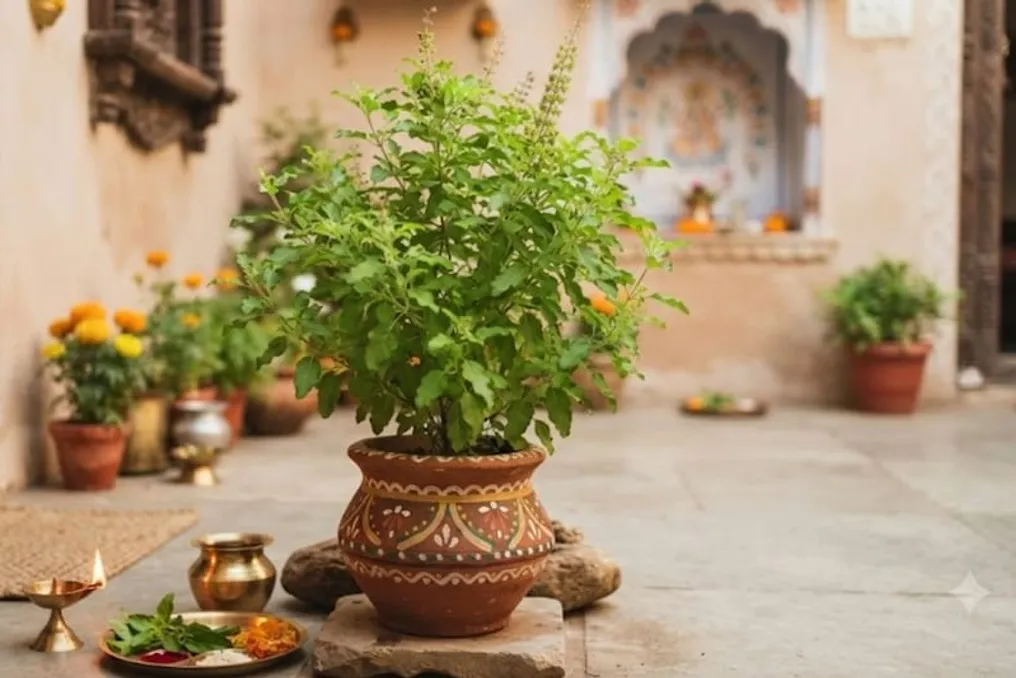
According to Vastu, there are five practices with the Tulsi plant to attract financial well-being
Read more
Aaj Tak
www.aajtak.in

According to Vastu, there are five practices with the Tulsi plant to attract financial well-being

The Tulsi plant holds special significance not only in religious beliefs but also in Vastu Shastra, as it is believed to help create a positive atmosphere in the home. Proper care of Tulsi helps maintain harmony, peace, and prosperity in the dwelling.

Various methods related to Tulsi are described in Vastu Shastra, which are traditionally associated with financial difficulties and wealth matters. If you have Tulsi growing at home, you can review these recommendations.

According to Vastu principles, placing the Tulsi plant in the northeast sector (Ishan Kona) or on the east side is considered auspicious. These directions are considered suitable for the influx of positive energy. It is important that the Tulsi is kept in a clean and open place.

There is also a method involving Tulsi leaves. Within Vastu practices related to finance, the use of dried Tulsi leaves is mentioned. They can be placed in a red cloth pouch and kept where money or important documents are stored, which is associated with economic stability.

In religious beliefs, great importance is attached to lighting a lamp before Tulsi in the morning or evening. Regular worship of Tulsi and lighting a lamp are linked to the well-being and prosperity of the home. Some beliefs also view this practice as a way to alleviate financial problems and get rid of debts.

According to folk beliefs, while watering Tulsi in the morning, one can chant the mantra 'Om Shri'. This practice is associated with the goddess of wealth, Lakshmi. However, the results of religious rituals depend on the individual's personal beliefs and faith.

The Tulsi plant should always be kept in a clean place. According to Vastu concepts, it is not recommended to keep a dried or withered Tulsi plant in the house. If the plant has completely died, it should be respectfully removed and replaced with a new, healthy specimen.

In Hindu tradition, Tulsi is revered as a sacred plant and is associated with the image of the goddess Lakshmi. This is why rituals of worship of Tulsi are regularly performed in many homes. Furthermore, in Vastu teachings, Tulsi is seen as a symbol of positivity and prosperity.
Similar stories

How to organize a home shrine: 6 simple ways for altar order
Read more
www.aajtak.in

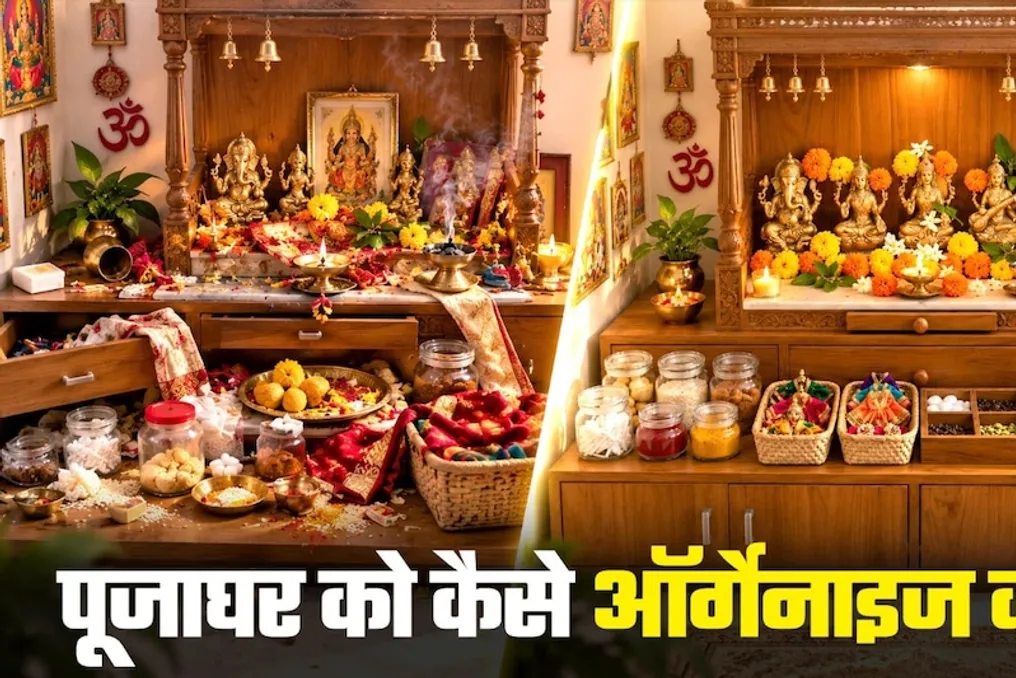
How to organize a home shrine: 6 simple ways for altar order

A home shrine, besides the bedroom and kitchen, can become cluttered and dirty over time. As a result, it becomes difficult to find items needed for daily acts of worship. Therefore, it is crucial to keep all items used in the shrine in their designated places, otherwise, it will look messy.

If your home shrine looks untidy, it is visually unappealing. Materials for performing havanas, incense, ritual clothing, and other items are often scattered, and searching for them in a closet takes a lot of time. Organizing the shrine is also a necessary measure. Below are several simple methods for cleaning and tidying up the shrine.

Small items, such as camphor and cloves, used in a home shrine, are often lost among papers or spoil. For such items, you can use a clean box, similar to how spice containers are used in the kitchen. In such a container, you can place all items separately, which makes them easier to find.

Space is often lacking in the shrine, causing small garments to be scattered. Ritual cleaning supplies should also be stored separately so they are not used for house cleaning. A basket or bucket can be used for all these items. This allows you to store all the deity's garments and attire together, preventing disarray.

Plastic containers, which are commonly available, can be used to store incense, aromatic sticks, and cotton wicks. When similar items are stored together, they are easier to find, and less time is spent searching. Try to keep incense and aromatic sticks away from moisture to preserve their aroma and quality for a long time.

Since havana materials are diverse, storing them with other worship items can quickly lead to clutter in a cabinet. It is recommended to use a separate sealed or covered container for this purpose. Storing havana materials in one place ensures easy access to all contents when needed, and individual packets will not be scattered.

Trays, bowls, bells, and small dishes used in rituals are needed daily. Instead of placing them throughout the shrine, it is better to keep them on one shelf or tray. If the shrine has a cabinet, daily-use items should be placed in an easily accessible spot. Inside the cabinet, you can store dishes that are only used during major rituals. This saves time retrieving and returning items during daily rituals.

For the shrine to remain organized, simply storing things is not enough. You must periodically check which items are no longer usable. Old flowers, empty incense packs, broken boxes, and unnecessary items should be discarded. Often, people perform a superficial cleaning of the shrine but ignore these items. However, it is these items that make a corner of the shrine look dirty, and getting rid of them will help prevent the accumulation of excess items and simplify cleaning.

Popular