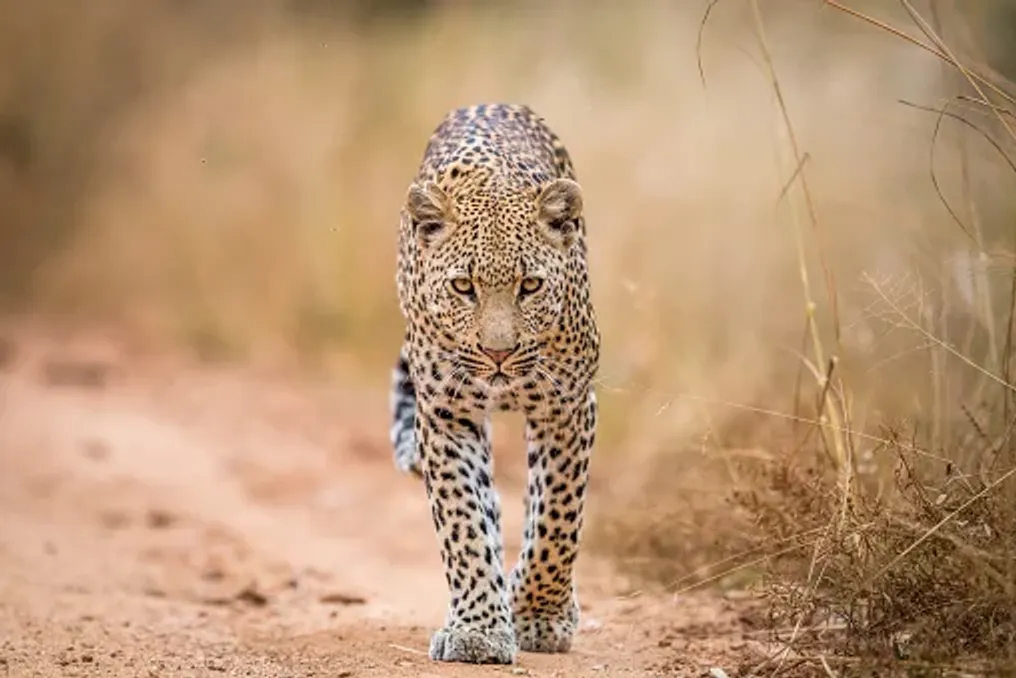
Leopards are reappearing on South Africa's West Coast, nearly two centuries after the predators were driven out of the region. More than seven leopards have been recently recorded in the area, with one captured by a camera trap in the West Coast National Park last year.
This sighting is the first confirmed instance of a leopard appearing in the park in approximately 170 years, according to EWN. The return of these animals is significant because they were not intentionally reintroduced; conservationists believe the leopards naturally colonized parts of the West Coast.
Long-Term Factors Behind the Return
The CEO of Landmark Foundation, Dr. Bull Smuts, reported on 702 that the leopards were expelled from the region in the mid-1800s. Although small populations survived in the mountainous areas of Cape Town, the species gradually began returning to the coast around 2015.
Smuts characterized this phenomenon as 'natural recolonization,' while researchers suggest that some leopards may have moved into the area from Sedderberg. The return highlights the importance of conserving connected habitats and protected areas, especially for wide-ranging predators.
According to Smuts, changes in land use, the expansion of protected zones, and growing community tolerance to predators may have helped create conditions for the leopards' return.
Challenges and Prospects
Leopards are among South Africa's most adaptable large predators, but their populations face pressure from habitat loss, human-wildlife conflict, and reduced prey bases. Therefore, their return to an area where they have been absent for generations is an encouraging development for conservation efforts.
Smuts noted to 702 that conservationists hear more stories about the disappearance of large predators than their return. The sightings on the West Coast indicate that where suitable habitat is preserved and conservation measures are maintained, wildlife can recover parts of its historical range.
The return comes with difficulties, as the West Coast is also home to farming livestock, and the presence of leopards can raise concerns about the death of sheep and other livestock. Smuts called managing this conflict critical, mentioning that conservation organizations are collaborating with farmers to mitigate risks.
Some participating farmers may receive compensation for livestock losses, which helps increase predator tolerance in areas of human-wildlife coexistence. Finding ways for farmers and leopards to coexist will be crucial for establishing a sustainable population in the region.
Since seven or more individuals constitute only a small population, conservationists will continue to monitor their movements to determine if the leopards can establish themselves in the West Coast landscape. Nevertheless, their return represents an unusual success story in nature conservation.