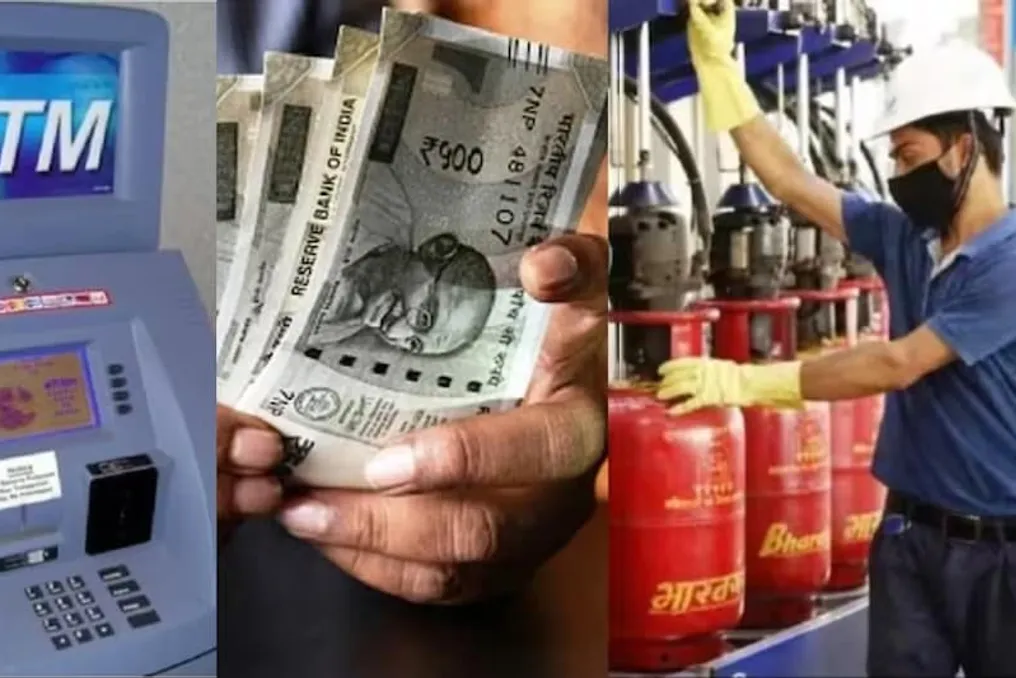
The beginning of October marked several significant changes in the country that will affect the daily lives and finances of every citizen. As of October 1, 2026, changes were made to LPG cylinder prices, and rules regarding ATM operations and fuel taxation were adjusted.
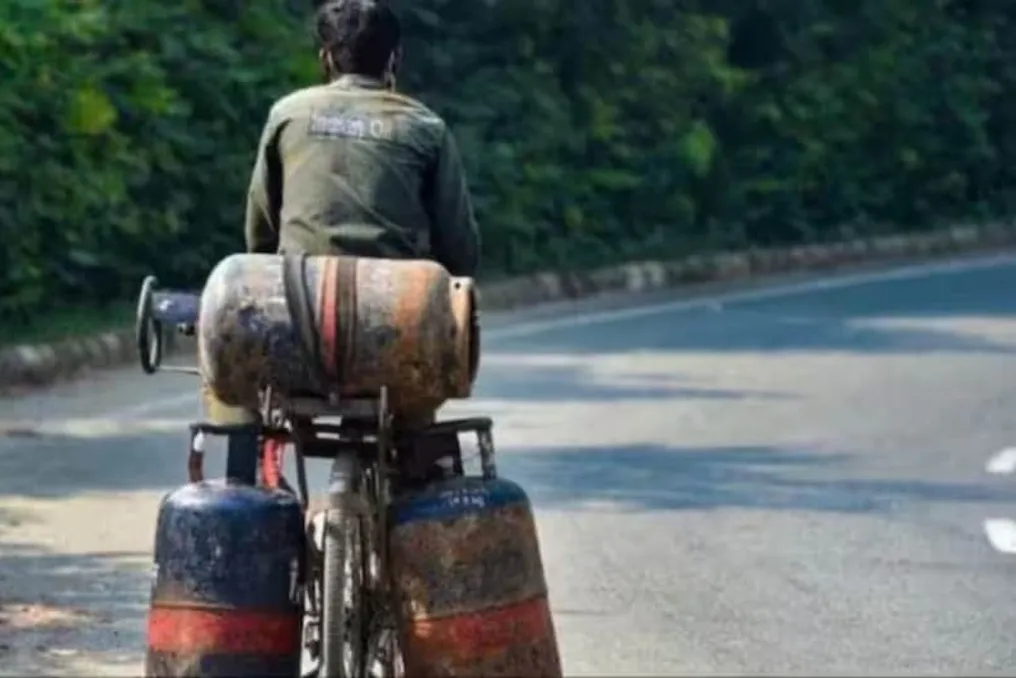
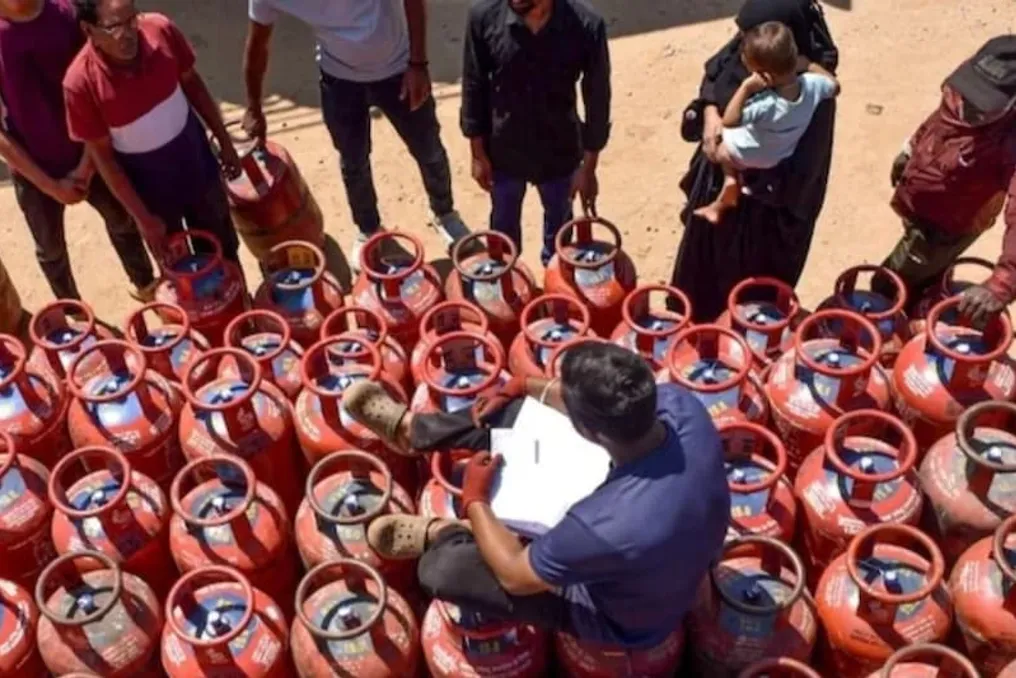
The first change concerns the prices of LPG cylinders. Oil companies increased the cost of commercial 19 kg cylinders; for instance, in Delhi, the price rose by 62.50 rupees to reach 2810 rupees, while in Patna, it became even more expensive, exceeding 3100 rupees. Prices for domestic 14 kg cylinders remained unchanged.
Furthermore, a new rule regarding LPG cylinder reservations came into effect on October 1, 2026. Users who have not completed the biometric authentication or electronic identification (LPG eKYC) procedure for their gas connection may find it more difficult to receive subsidies.
The second important change relates to fuel. The government reduced the tax on the export of diesel fuel and aviation turbine fuel (ATF). The SAED tax on diesel fuel exports was lowered from 20 rupees per liter to 16 rupees per liter, and the ATF export levy was reduced from 15 rupees per liter to 10.50 rupees per liter. The rate for gasoline remained the same.
The Reserve Bank of India (RBI) also made adjustments to the procedure by which commercial banks determine and publish interest rates for wholesale fixed deposits. These new rules are effective from October 1, 2026. Under the updated system, banks are required to publish their wholesale deposit rates in advance and provide daily information on rates effective at 10 am. Banks must apply a uniform interest rate for similar wholesale deposits, although they may set differences based on specific conditions.
In the realm of pension provision, the Pension Fund and Development Authority (PFRDA) changed the commissions charged through Points of Presence (POP) under the National Pension System (NPS) and NPS Lite. The new structure, effective from October 1, 2026, requires clients registering through POP to pay a one-time registration fee of 200 rupees for each PRAN. This fee will not be debited from the client's account in a lump sum.
Regarding the banking sector, the largest public sector bank, SBI, updated its card usage rules. Starting October 1, 2026, the number of free monthly transactions when using an SBI card at ATMs of other banks and Automated Dispensing Machines (ADWM) for salary holders will be reduced from ten to five across all centers. For Basic Savings Bank Deposit (BSBD) accounts, free cash withdrawals remain four times a month, after which each transaction will incur a charge of 15 rupees plus GST.
The investment process for expats has also changed. From October 1, the procedure for foreign nationals to purchase real estate is simplified as the Tax Department introduces a simplified TDS procedure for overseas buyers. Residents and HUF families purchasing property from NRIs will no longer require a separate TDS and TNN tax deduction; instead, buyers can independently conduct the TDS deduction, payment, and reporting using their PAN card.
In Delhi-NCR, a requirement for a Pollution Under Control (PUC) certificate for refueling with petrol or CNG is introduced starting October 1. The Commission for Air Quality Management (CAQM) implemented this measure to combat pollution, which intensifies in winter. According to CAQM, from the first day, fueling vehicles in NCR without a valid PUC certificate is prohibited.
Finally, the period for submitting a life certificate begins on October 1. If a person wishes to receive a pension, they are obligated to provide a life certificate either online or offline. This procedure must be carried out annually, starting in October.