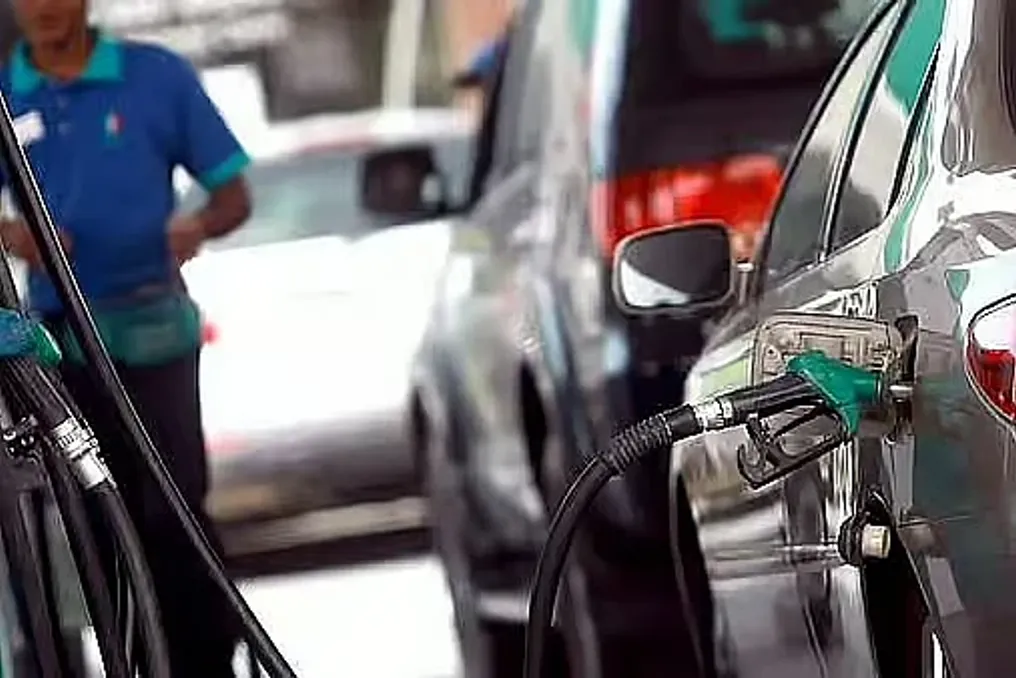
Due to fuel price increases of more than 16 percent in October, residents of the United Arab Emirates are considering several changes to their lifestyle. Among these changes is using the Dubai Metro for commuting to work, reducing the number of days spent in the office, and planning client meetings taking into account public transport availability.
Some drivers are preparing to increase their fuel expenses, while others are looking for ways to decrease the number of car trips. For those who use car-sharing services, the change in monthly tariffs also means needing to set aside more money for the commute to work.
Alvin Pinto, who lives in Al Quusais and works in JLT, intends to leave his car at home and use the Dubai Metro to travel to the office. He stated that he spends about 700–800 dirhams per month on gasoline. Pinto noted that the metro station is close to his home, and the office is accessible within about 10 minutes on foot. Since the weather is good, he prefers using the metro for daily commutes.
A standard class Nol pass for all zones costs 350 dirhams for 30 days. This amount is 350–450 dirhams less than his current monthly fuel expenses, although any additional fuel he buys for other trips will remain an extra cost. He compared the travel times: about an hour by metro versus 45–50 minutes by car, and decided to switch to public transport for now.
Shabbir Ahmed, who lives in Horizon Towers in Ajman, plans to discuss the possibility of partial remote work. Ahmed works as an administrator in a used car shop near the Galadari roundabout in Deira. He commutes to the office five times a week, and his monthly fuel expenses already exceed 1200 dirhams. He noted that he refuels approximately every four days, which amounts to about eight times a month. If he maintains his usual travel schedule, he expects expenses to exceed 1500 dirhams.
Ahmed plans to talk to his employer about reducing work trips and working from home on some days, but such an agreement has not yet been approved. He stated that they will now have to plan their spending carefully, and he wants to discuss with the office the possibility of partial remote work to avoid unnecessary expenses.
Hamid S, a sales manager living in Al Nahda in Sharjah, cannot limit driving only to the commute between home and work. He visits his office in Business Bay once or twice a week, but visits client offices four days a week. Hamid refuels his car approximately every three days. Although the company compensates half of his fuel expenses, he expects to pay an additional 170 to 250 dirhams out of pocket monthly. To reduce some of these trips, he plans to group meetings based on their location. He reported that for client visits whose offices are located near metro stations, he plans to organize them on one day to utilize the metro.
Amna, who uses car-sharing from Al Nahda in Sharjah to Business Bay, received a notification about a tariff increase. She reported that she previously paid 350 dirhams per month, but the company notified her that the tariff will rise to 380 dirhams. This means she will need an additional 30 dirhams each month for the same trip between home and work.