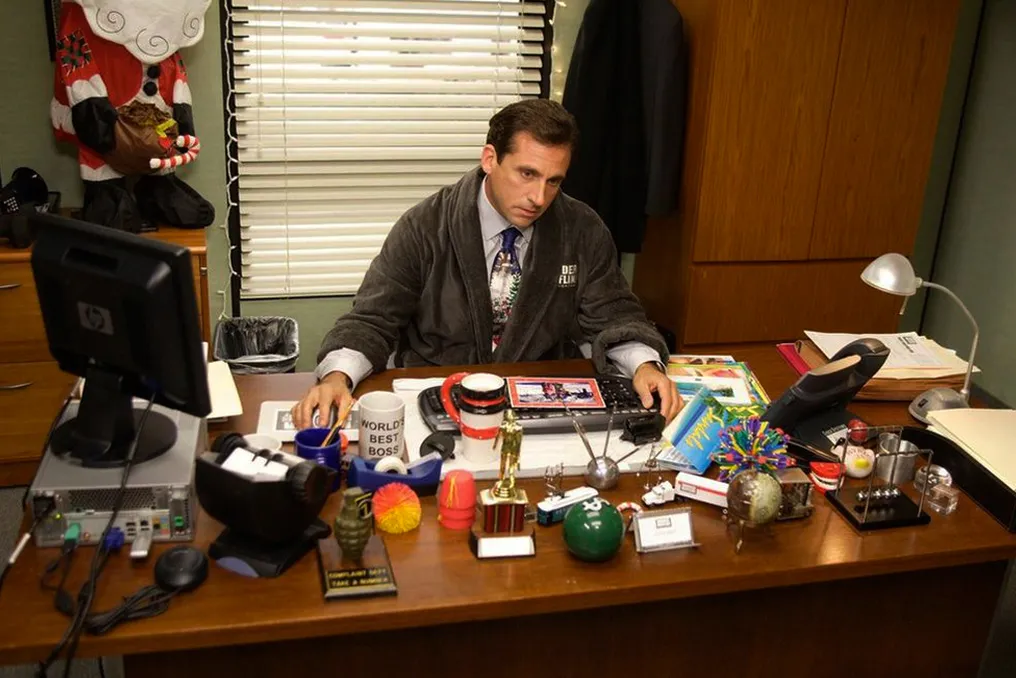
Many people face the situation of having very messy desks, which can lead to complex searches for documents, pens, or other essential items. Despite this, some notable figures, such as Albert Einstein, Mark Twain, and Steve Jobs, are known for having chaotic environments, suggesting that this may not be inherently negative.
In 2013, researchers from the University of Minnesota conducted a test comparing two groups: one in an organized environment and another in a disorganized environment. Both were asked to propose ideas for new uses of ping-pong balls. An independent panel of evaluators rated the suggestions from the cluttered room group as more creative and engaging.
Another experiment conducted by the same researchers showed that individuals in disorganized rooms had a greater tendency to opt for novel products instead of established alternatives. The scientific conclusion pointed out that well-structured spaces tend to promote a mindset of maintaining the status quo and tradition, manifested in a greater choice of healthy foods and charitable donations. On the other hand, disorganized settings seem to encourage breaking conventions and seeking novelty, reflected in greater creativity and preference for options considered new.
The authors argue that these findings challenge the notion that organization is always beneficial and disorder always detrimental; each type of environment can favor distinct behaviors depending on the desired objective. While organization can support healthy and conventional choices, disorder can drive creativity and the generation of original ideas.
A parallel study, conducted in 2013 by Shandong Normal University, presented consistent results. Participants exposed to disorganized environments demonstrated better performance in creativity metrics, covering fluency, flexibility, and originality. This work also suggested that disorder has the potential to enhance cognitive flexibility and foster less traditional ways of thinking.
The same scientists revisited the topic in a subsequent investigation in 2020, focusing on the variable of individual self-control. They discovered that increased creativity is not universal. In the tests, those with a high level of self-control showed superior creative performance in the disorganized environment, while people with low self-control did not show a large difference between the two types of environments, indicating that personal characteristics can modulate this effect.
Finally, researchers from Jinan University examined the link between environmental order or disorder and how people process information. They found evidence that disorder can favor more conceptual and global processing, while order tends to promote more detailed and localized processing, which may offer a possible cognitive mechanism for the observed relationship between disorder and creativity.