Modeling Galactic Radiation Led to Heart Fibrosis in Laboratory Rats
Read more
N+1
nplus1.ru

Modeling Galactic Radiation Led to Heart Fibrosis in Laboratory Rats

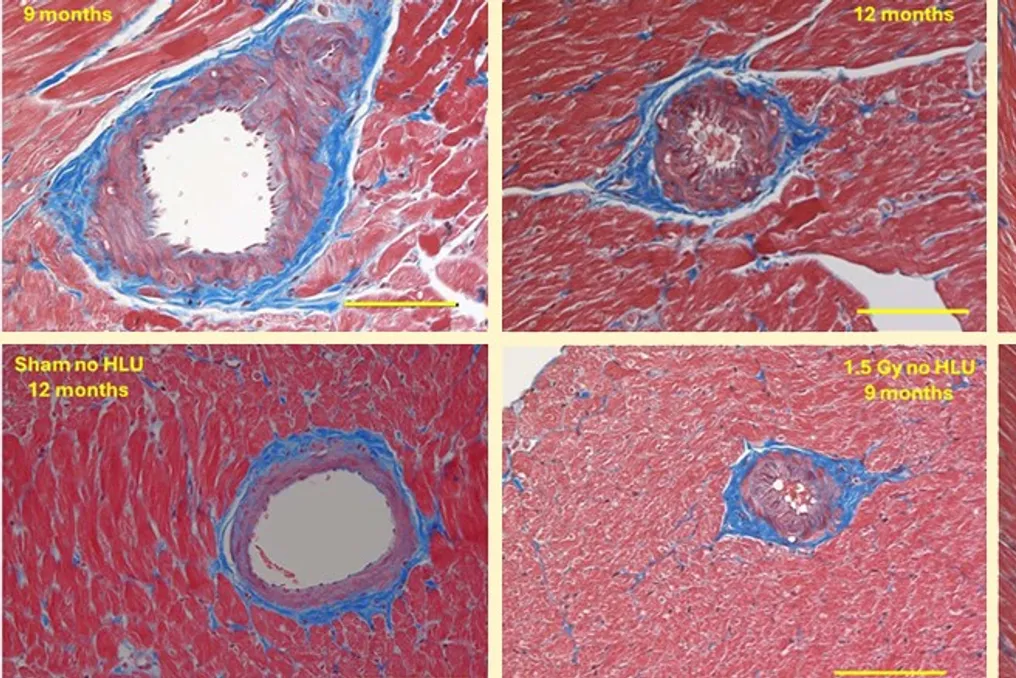
American scientists simulated conditions of long-duration space flight on rats and found that radiation exposure leads to the development of perivascular heart fibrosis. It was also discovered that this effect occurs independently of microgravity's influence.

The study showed that microgravity itself affects immune cells and the cytokine secretion process. However, neither radiation nor microgravity alone, nor their combined effect, influences the maintenance of calcium homeostasis.

The results of this work were published in the scientific journal PLoS One.

Similar stories

Radiologist urges women to pay attention to breast changes and undergo examinations
Read more
iol.co.za

Radiologist urges women to pay attention to breast changes and undergo examinations

As part of Breast Cancer Awareness Month, a radiologist emphasizes the importance of paying attention to one's breasts for every woman. The specialist, who has a particular interest in mammography, regularly analyzes mammogram images, ultrasound scans, and breast MRIs, encountering women who are either actively caring for their health, concerned about symptoms, or undergoing additional examinations and receiving life-altering news.

Breast cancer remains one of the most common types of cancer worldwide. The good news is that when detected early, treatment is often less invasive, and outcomes are significantly better, allowing lives to be saved.

The complexity lies in the fact that breast cancer does not always present as a lump. It is necessary to consult a doctor if you notice subtle changes in the shape or size of your breasts, skin retraction, nipple changes, persistent pain, unusual discharge, or any area that feels different. The radiologist strongly recommends that women know their bodies and understand what is normal for them to be vigilant for any deviations.

Screening is equally important. Mammograms can detect cancer long before it becomes palpable, sometimes years before any signs appear. However, this is not the only screening method. Age, family history, genetics, breast tissue density, and individual risk influence the choice of the optimal imaging method. For some women, an ultrasound or MRI may provide critically important additional information.

Most importantly—do not let fear stop you. Knowledge gives power. When breast cancer is detected at an early stage, treatment is usually less aggressive, and prognoses are significantly improved. Even if you are prescribed a biopsy, it does not automatically mean you have cancer; it could be a benign growth requiring confirmation.

It is important to remember that breast cancer is not only a disease of older women. Young women (and to a lesser extent men) can also be affected, especially if they have a hereditary history or genetic risk. In such cases, medical consultation should be sought.

Do not postpone medical check-ups. Schedule a mammogram if you are over 40, or if you notice any changes in your breasts, regardless of your age. Do not hesitate to ask questions and monitor symptoms. It is also recommended to encourage a mother, sister, daughter, or friend to do the same. Radiologists encounter women in critical moments daily, witnessing relief, courage, resilience, and hope, and seeing the difference early diagnosis can make.

During this Breast Cancer Awareness Month, the call is simple: make breast health a priority not just in October, but year-round. Your future self will thank you.

Bestmed announces average contribution increase of 7.35% in 2027 and expansion of preventive care
Read more
iol.co.za

Bestmed announces average contribution increase of 7.35% in 2027 and expansion of preventive care

Bestmed has announced changes to its benefits plan for 2027, which include an average weighted contribution increase of 7.35% and an expansion of preventive healthcare coverage for members.

The medical scheme stated that these changes are due to member feedback, as well as rising healthcare and living expenses. Leo Dlamini, CEO and Chief Officer of Bestmed Medical Scheme, noted that households in South Africa continue to face pressure from the rising cost of living amid the downturn in global and local economic processes, which affects family finances.

He added that healthcare is a key element of this financial equation. Therefore, the scheme's approach for 2027 involved studying stakeholder feedback and making changes that provide greater choice, strengthen preventive care, and deliver more value while protecting the Scheme's long-term sustainability.

New Best Bucks Benefit

A new benefit called Best Bucks is being introduced, which will provide eligible members with R1000 per family after completing the Tempo lifestyle screenings. These funds can be used to pay for suitable consultations, radiology, and pathology before claims are paid from medical savings or other daily benefits.

Bestmed stated that this benefit aims to motivate members to undergo medical check-ups while providing additional funding for specific medical expenses. Furthermore, in 2027, the scheme is implementing several changes in preventive care.

These changes include coverage for respiratory syncytial virus (RSV) antibodies for infants across all options, pediatric vaccinations under Beat1, and a monthly maternity supplement of R151 under Beat2. Members in the Beat, Pace, and Rhythm2 ranges will have access to two postnatal consultations. Women over 45 in the Pace 1 range will also be able to undergo bone density screening every 24 months.

Bestmed clarified that HPV vaccination will also be extended to men. Infants born between January and May will also receive RSV protection during the infection season. The scheme reported that these preventive care benefits will be funded from the risk pool, according to the rules of the respective benefit option, and not from member savings or daily allowances.

The company noted that the 2027 offering is built on a strong position, as the Scheme continues to grow, maintaining a stable risk profile and a high solvency ratio of 37.3%, significantly exceeding the statutory minimum of 25%.

Diabetes: International Experience and New Approaches
Read more
uza.uz

Diabetes: International Experience and New Approaches

The country is taking successive steps to improve the quality of medical care for patients with non-communicable diseases, including diabetes, as well as to prevent severe consequences of this condition.

Popular