Uzbekistan discusses the implementation of the HACCP system in food industry enterprises
Read more
UzDaily
uzdaily.uz

Uzbekistan discusses the implementation of the HACCP system in food industry enterprises

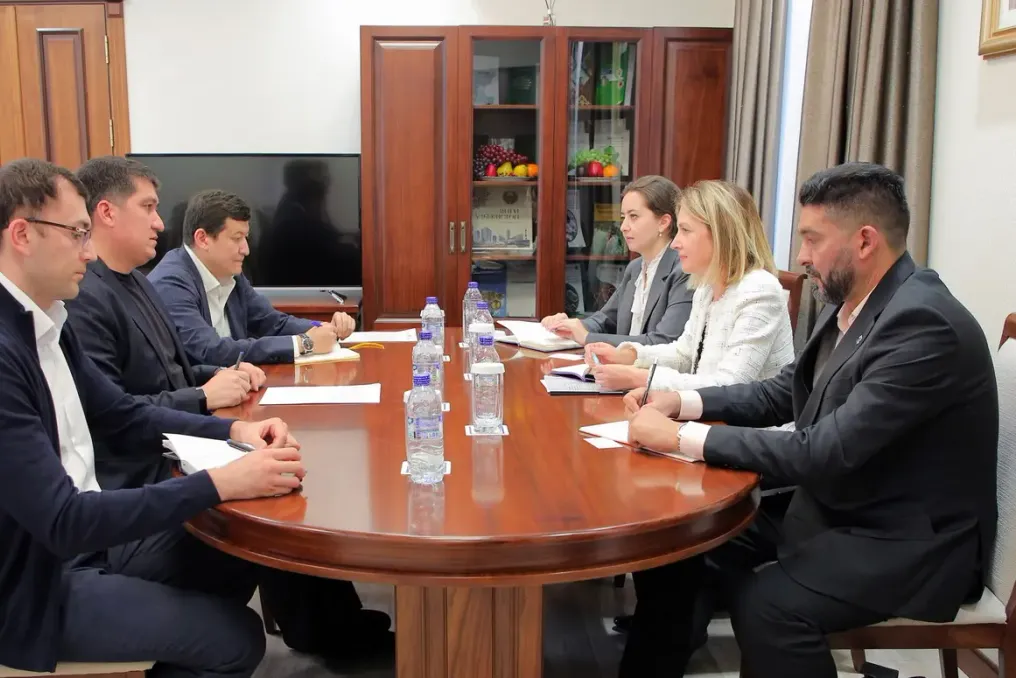
In Tashkent, Uzbekistan held discussions on the further implementation of international requirements and measures to ensure food safety with the aim of increasing the export potential of local producers.

The issues were discussed by Azizbek Urunov, Chairman of the Food Safety Committee, and Elena Butrimova, Head of the International Trade Centre's cooperation program with Eastern European and Central Asian countries.

One of the main areas of cooperation identified by the parties was the introduction of the Hazard Analysis and Critical Control Points (HACCP) system in enterprises, as well as other international food safety management systems.

It was noted at the meeting that increasing companies' compliance with international standards should expand the opportunities for Uzbek producers to enter foreign markets and increase their export potential.

Furthermore, the parties discussed supporting food industry enterprises oriented towards exports using the opportunities of the Ready4Trade Central Asia project, which is financed by the European Union. The topic of digitalization was also addressed during the meeting.

As an example of current international cooperation, participants noted Uzbekistan's experience in phytosanitary services, where electronic phytosanitary certificates are exchanged through the international IPPC ePhyto Solution system.

Similar stories

Uzbekistan Discusses Pharmaceutical Industry Development at International Congress
Read more
uzdaily.uz

Uzbekistan Discusses Pharmaceutical Industry Development at International Congress

In Tashkent, Uzbekistan, the fifth International Congress of Pharma Uzbekistan & Central Asia discussed the prospects for developing the country's pharmaceutical industry, including expanding production and implementing modern technologies.

The event was held with the participation of the Agency for the Development of Medical and Pharmaceutical Industry and gathered over 150 delegates from Central Asia and other countries. Participants included manufacturers, regulators, representatives of international organizations, experts, and investors.

Importance of Quality and Standards

Alisher Temirov, Director of the Center for Pharmaceutical Product Safety, emphasized the critical importance of ensuring product quality and safety, as well as the need to implement international standards and create modern production facilities during the congress.

According to Temirov, the pharmaceutical industry is undergoing active transformation. The main directions of this process include creating new production sites, modernizing existing enterprises, and integrating advanced technologies and digital solutions.

Participants stressed that patient safety and human health must remain a priority in any new project. The quality, reliability, and effectiveness of medicines were defined as key conditions for the sustainable growth of the pharmaceutical sector.

Reforms and Regulation

The congress also featured discussions on reforms being implemented in Uzbekistan to strengthen the pharmaceutical sector, increase domestic production, attract investment, and introduce innovative methods.

Special attention was paid to improving the regulatory framework governing the circulation of medicines and strengthening control at all stages—from manufacturing to sale. Furthermore, participants discussed the further development of pharmacovigilance and post-registration monitoring systems.

At the conclusion of the congress, participants noted the importance of experience exchange to enhance the competitiveness of the pharmaceutical industry, expand international cooperation, and form a modern and safe drug production system in the region.

Uzbekistan Discussed Agricultural Product Exports to Europe During Visit to Poland
Read more
uzdaily.uz

Uzbekistan Discussed Agricultural Product Exports to Europe During Visit to Poland

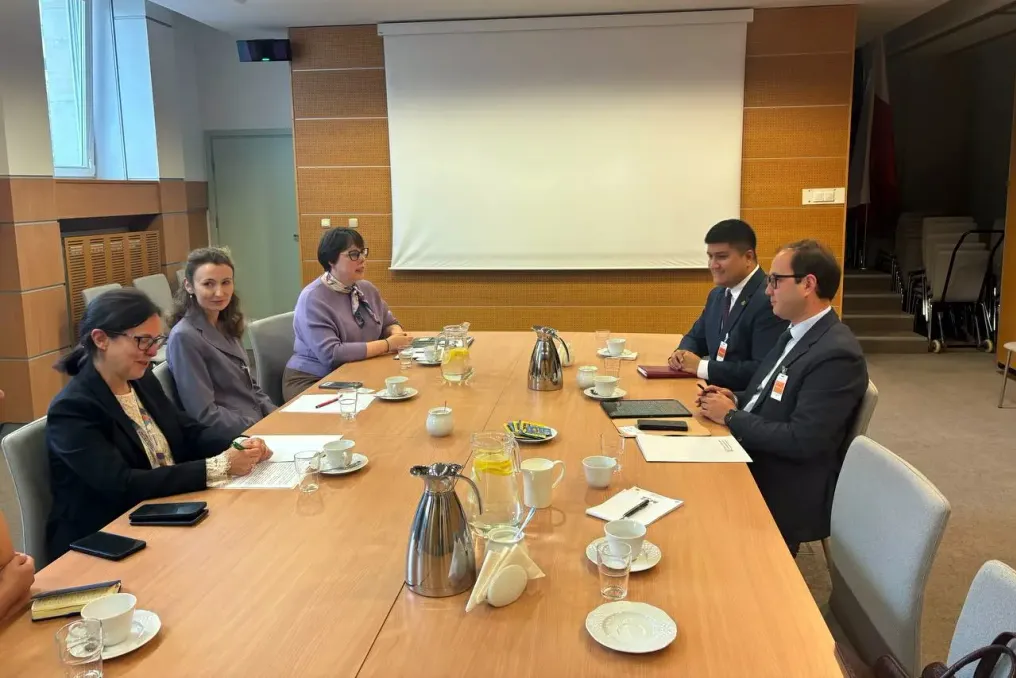
The Ministry of Agriculture of Uzbekistan reported that a working group from Uzbekistan visited Warsaw, Poland, from September 14 to 17. The purpose of the visit was to discuss ways to bring Uzbek agricultural products to European markets, as well as to develop trade and logistics ties and expand bilateral cooperation.

During meetings with the Ministry of Agriculture and Rural Development of Poland, the parties examined promising areas for interaction between the two countries. Special attention was paid to supporting mutual trade in agricultural products, creating joint logistics and trade centers, and developing direct cooperation between scientific institutions.

To study the possibilities of supplying and selling Uzbek products on the Polish market, the working group visited major trade and logistics complexes in Warsaw. Meetings were held with the management of the Bronisze Trade Center, one of the largest wholesale agricultural markets in Central and Eastern Europe, as well as the Praga Gielda trade complex.

Discussions focused on the potential for importing and distributing agricultural products grown in Uzbekistan on the Polish market through these trade complexes. The management of the complexes stated their readiness to provide practical assistance in promoting Uzbek products.

In a meeting with entrepreneurs operating in Poland, the parties discussed the possibility of creating a logistics center to support the expansion of sales for Uzbek companies' goods. An agreement was reached to hold trilateral negotiations on this issue with the participation of the Chamber of Commerce and Industry of Uzbekistan.

Another important aspect of cooperation was staff training and exchange of practical experience. For this, a meeting was held with a representative of the agro-producer Green Crops, where the expansion of internship programs for students from Uzbekistan was discussed.

During the working trip, the group also participated in a conference organized by the Embassy of Uzbekistan in Poland, dedicated to the 35th anniversary of the country's independence. The conference presented the results of reforms carried out in Uzbekistan and the priority directions of the Uzbekistan-2030 strategy.

The main objectives of the visit included strengthening trade and logistics partnership with Poland, opening new market opportunities for Uzbek products, and expanding practical experience exchange programs for students. All meetings and negotiations were aimed at further strengthening agrarian ties between the two countries.

Popular