Six destinations worth a long journey around the world
Read more
Getaway
getaway.co.za

Six destinations worth a long journey around the world

For residents of South Africa, planning any international vacation often begins with calculating the travel time required and assessing whether the time spent is justified. There are destinations that are too far for a short trip. Whether it is on the other side of the Pacific Ocean or a country where moving between regions is part of the experience itself, these places possess sufficient tourist infrastructure to make a long flight worthwhile.

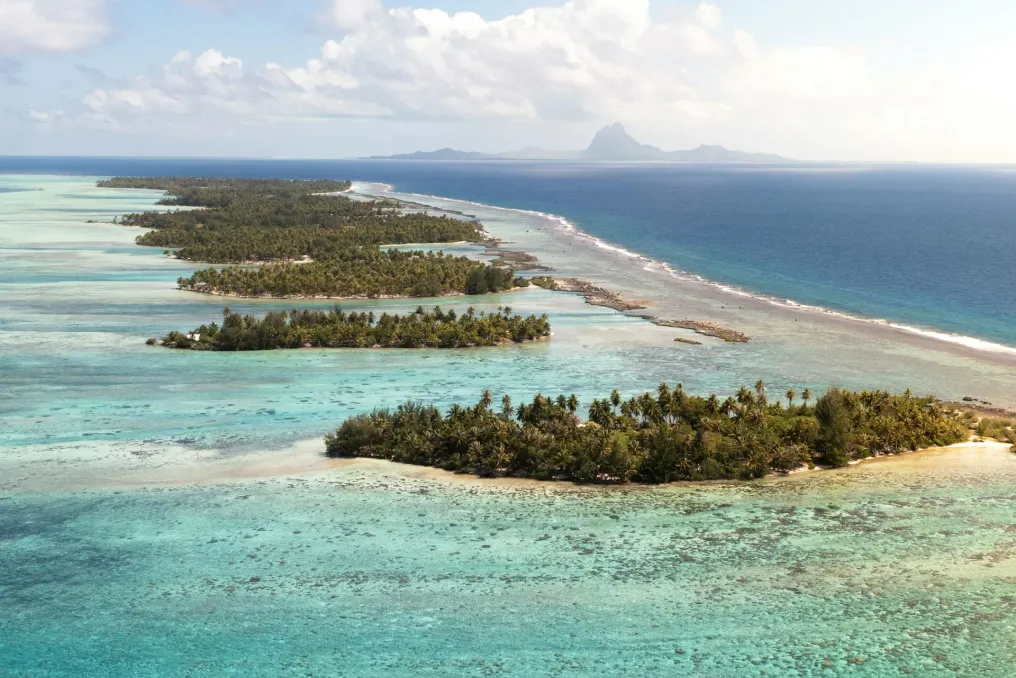
If your idea of 'worthwhile' includes turquoise waters, volcanic islands, and enough time to relax, French Polynesia is worth considering. Tahiti serves as the main entry point, but the destination covers dozens of islands and archipelagos. You can combine Tahiti with Moorea, Bora Bora, Rangiroa, or the more remote Marquesas Islands. Despite its distant location in the Pacific Ocean, the tourism industry in French Polynesia is well-developed. Since the distance is significant, this is not a place for a short weekend getaway. If you plan to spend a lot of time, both financially and physically, traveling, allocate enough time to slow down and explore more than one island.

For nature lovers, Ecuador offers a particularly compelling reason to cross the ocean. This country combines the Andes, the Amazon, the Pacific coast, and the Galapagos Islands within one relatively compact tourist destination. The Galapagos Islands are about 1000 km from mainland Ecuador and are supported by established tourist services, including accommodation, guided tours, diving, snorkeling, wildlife viewing, and inter-island transport. It is also possible to plan a longer trip through mainland Ecuador, adding Quito, the Andes, or the Amazon before visiting the archipelago.

For something even more remote, consider Rapa Nui, also known as Easter Island. Reaching this island requires traveling through Santiago, followed by a flight of about five and a half hours to Mataveri International Airport. The island's tourist infrastructure is centered around Hanga Roa, where visitors can find accommodation, restaurants, diving operators, car rentals, and guided tours. Many archaeological sites require accompaniment by an accredited local guide.

Rapa Nui is unlikely to make sense as a solo trip from South Africa. It is better to combine it with mainland Chile, perhaps adding Santiago, the Atacama Desert, or Patagonia. This turns an extremely long journey into a meaningful South American adventure.

Japan

Japan represents a serious commitment for South Africans, especially considering the need for layovers, but its excellent transport infrastructure makes exploring the country surprisingly easy once you arrive. Tokyo and Osaka are obvious starting points, while Kyoto offers temples, traditional quarters, and historical architecture. The country's extensive railway network also allows travel between major destinations without the need for a rental car. From Tokyo, the Shinkansen bullet train reaches Kyoto in about two hours and twenty minutes, and Kyoto itself is connected to the surrounding areas by trains and buses.

Japan also rewards longer stays. Instead of flying halfway across the world for a few days in one city, travelers can combine Tokyo, Kyoto, Osaka, Hiroshima, and rural areas into one substantial trip.

Australia

Australia is one of the most obvious long-haul flight options for South Africans, and its scale easily allows one flight to turn into an adventure across several regions. Sydney and Melbourne offer big-city experiences, while Queensland is famous for the Great Barrier Reef, tropical islands, and rainforests. Further inland, Uluru showcases a completely different landscape and offers insight into the culture of the Anangu people. Tourism in Australia has established routes connecting these very different environments. One suggested ten-day itinerary covers Sydney, Uluru, and the Great Barrier Reef over a distance of 6500 km using planes, cars, and boats. Furthermore, air connectivity between the two countries is becoming increasingly useful. A direct Qantas flight from Johannesburg to Perth was launched at the end of 2025, opening another route to Australia for South African travelers.

New Zealand

New Zealand is another destination where the flight is just the beginning. A traveler from South Africa can spend hours in the air and still require crossing an entire country after landing. Fortunately, New Zealand has an extensive tourist network that includes accommodation, vehicle rentals, guided tours, buses, domestic flights, ferries, and scenic train journeys across the country. This makes it particularly suitable for a two or three-week trip. Auckland, Rotorua, and Wellington can be combined with the mountains, fjords, and adventure towns of the South Island. Independent travel is especially appealing to those who want the distance between destinations to be part of the holiday.

The common thread among these destinations is simple: the flight is worth the effort only if the holiday itself is long enough to justify it. One should think beyond a five-day escape and plan a trip that makes the distance part of the experience.
Similar stories

Six South African Spots for Children to Engage with Nature Using All Five Senses
Read more
getaway.co.za

Six South African Spots for Children to Engage with Nature Using All Five Senses

To introduce children to nature, it is not necessary to organize long hikes or traditional wildlife tours. Many unforgettable natural experiences occur when children are encouraged to stop, listen carefully, touch, smell, taste, and observe their surroundings.

South Africa has many locations where children can interact with the natural world in a hands-on way. These six destinations allow a family walk to turn into a sensory adventure.

Walter Sisulu National Botanical Garden

The Walter Sisulu National Botanical Garden in Roodepoort offers a good way to start introducing children to nature who are not yet ready for strenuous climbs. The garden combines landscaped areas with natural habitats, walking trails, a waterfall, birds, and local vegetation.

The garden is home to about 240 species of birds, and over 600 species of plants grow in various habitats. A pair of Verre eagles nests on the cliffs near the Witportjie waterfall. The waterfall and birds in the garden serve as a simple starting point for a five-sense game. You can ask children to count how many different bird calls they hear, look for movement in the trees, and feel the different textures of leaves, bark, and stones along the way.

Furthermore, the garden features a butterfly garden and other themed zones, allowing exploration of nature without straying far from the city. It is suggested to have a picnic and ask the children to choose one thing they can see, hear, smell, touch, and taste before returning home.

Kloofendal Nature Reserve

Kloofendal Nature Reserve in Roodepoort turns a bushwalk into an opportunity to study the natural world. This 128-hectare reserve is an important site for environmental education and includes walking trails, a pond, a bird-watching hide, and various small mammals.

Of particular value to this article are the organized tours offered by the Friends of Kloofendal organization. These include bush walks focusing on edibles, butterfly events, frog outings, bird-watching hikes, geological excursions, and even creating art from plant material collected in the reserve. Experiencing wild edible plants introduces children to wild fruits, tea, coffee, and jams, while other activities encourage them to closely observe butterflies, listen to frogs, and learn about landscape formation.

Some of these tours are specifically designed for family recreation. For example, a two-hour butterfly tour allows participants to briefly catch butterflies for identification before releasing them unharmed. It is advised that children take a small notebook and describe or draw five things they noticed using their senses.

Indigenous Forests around Harkerville

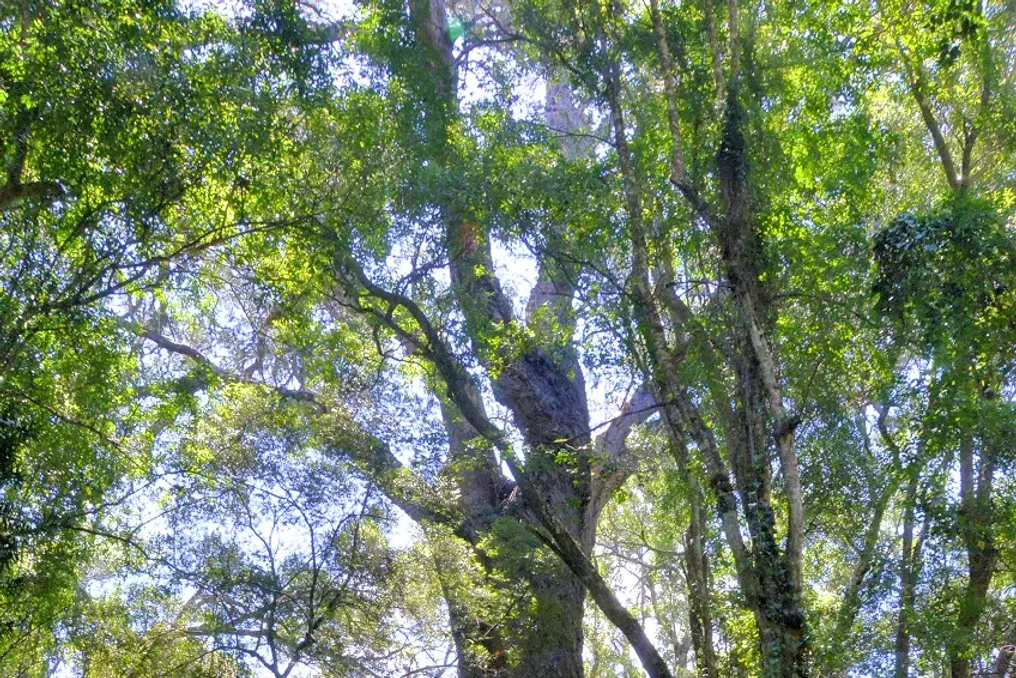
The indigenous forests around Harkerville offer a completely different sensory experience. In Eden Garden, short circular trails pass through a moist montane forest where trees such as stinkwood, calander, and wit-els grow. There is also an 800-meter path accessible by wheelchair. Nearby in Kransehoek, there is a picnic area overlooking the coast and a stream where children can look for frogs.

This is a place where children can slow down and pay attention to details that are easily missed. The forest canopy alters the light and sounds around, and the leaves, bark, stones, and damp earth provide many different textures to explore. It is advisable to choose easier routes instead of attempting the Harkerville coastal trail with young children, as the latter is a challenging 26 km route not recommended for children under 12 years old. It is recommended to stop by the stream and allow the children to spend five quiet minutes listening to frogs, insects, and birds.

Garden Route National Park

The Garden Route area in the National Park is built around a landscape consisting of lakes, rivers, estuaries, forests, and mountains. It gives families the opportunity to get to know nature from different perspectives. There are forest trails, bird hides, and waterways for exploration, and canoeing offers another way to experience the landscape. SANParks notes that this area is home to various bird species, including Knysna hornbills and several species of kingfishers.

Family recreation here can be as simple as walking along the river and listening to the water, watching birds from a hide, or quietly paddling on one of the waterways. This area also has designated spots for day visitors, such as the Tuw River estuary, Island Lake, and Woodville Big Tree, providing families with options beyond multi-day hiking. When canoeing or walking along the river, it is worth asking children to listen to the sounds coming from the water, forest, and sky, and determine how many they can recognize.

Imhof Farm

Imhof Farm in Kommetjie offers a more intimate way for young children to connect with nature. The Higgeldy Piggeldy farmyard allows children to feed and touch friendly farm animals, including ponies, cows, sheep, goats, pigs, emus, and rabbits. The farm itself combines open green spaces, animals, vineyards, restaurants, and other family-friendly attractions. Its location also incorporates the mountains, sea, and countryside of the Cape Peninsula into the overall experience. It is a simple place to turn an ordinary family outing into a sensory exercise. Children can feel the animal's fur, hear various noises around the farm, smell the countryside, and observe animal behavior. Food adds another sensory layer: the farm has snack bars offering locally produced goods, fresh juices, baked goods, and other farm-style food. It is suggested to let children choose their favorite animal and describe what it looks like, sounds like, and feels like before stopping for a farm snack.

Monkyland Primate Sanctuary

At Monkyland Primate Sanctuary near Plettenberg Bay, the focus is on observing rescued primates in a forest environment rather than viewing animals in standard cages. Monkyland calls itself the world's first free-roaming multi-species primate sanctuary. It currently cares for over 550 rescued primates of nine species, striving to provide them with the most natural life possible within the sanctuary's habitat. For children, the forest setting makes this experience more than just spotting monkeys. They should be encouraged to listen to calls in the trees, look for movement in the canopy, and notice how the animals use their surroundings. This experience can also prompt discussions about wildlife rescue, habitat, and why wild animals need natural conditions. Before entering the sanctuary, children can be asked to predict how many different animal sounds they will hear, and afterward, compare what they heard with their expectations.

Children do not need to know the names of every bird, plant, or animal they encounter to benefit from time spent outdoors. By asking simple questions, an ordinary family walk can turn into a much more memorable experience. The essence is not to rush through a checklist, but to give children a reason to slow down and pay attention to the natural world around them.

UNESCO adds 25 new World Heritage sites, including five interesting travel destinations
Read more
getaway.co.za

UNESCO adds 25 new World Heritage sites, including five interesting travel destinations

UNESCO has included 25 new sites in its World Heritage List for 2026. These sites cover a wide range of cultural and natural heritage, from ancient temples and modernist architecture to fossil-rich sandbars, wetlands, and historic theaters.

Among these new additions are five places that offer a particularly fascinating experience for travelers.

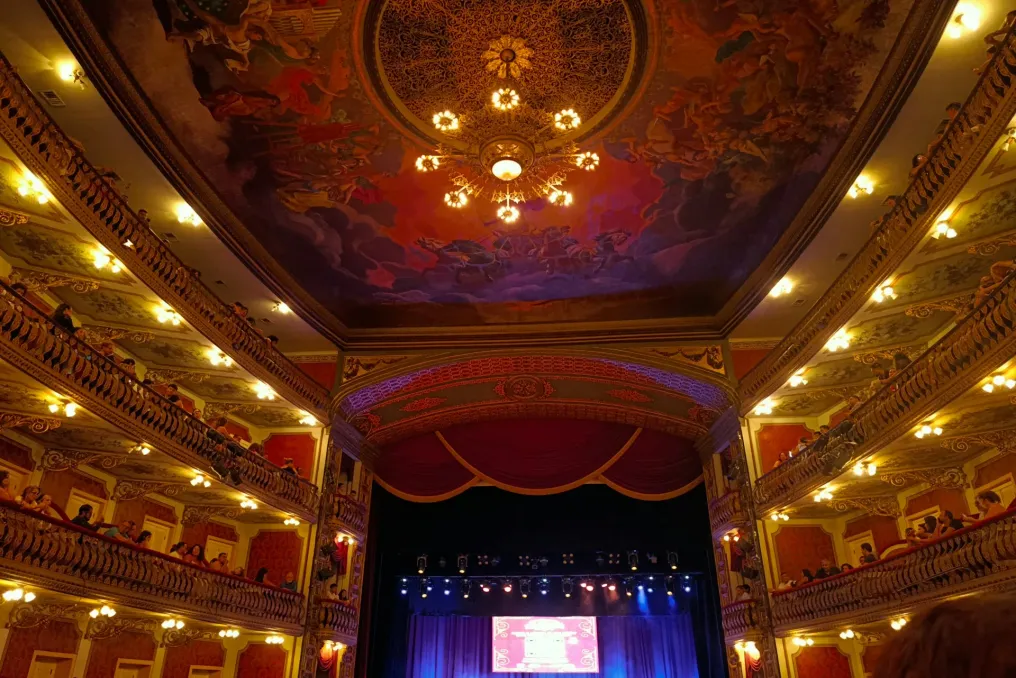
The 'Amazonian Theaters' complex combines two iconic cultural ensembles: the Teatro da Paz and Praça da República in Belém, as well as the Teatro Amazonas and Largo de São Sebastião in Manaus. These theaters were built during the Amazon rubber boom and reflect the wealth, ambition, and international architectural influences of the region in the late 19th and early 20th centuries.

In Belém, visitors can tour the Teatro da Paz and walk around Praça da República. In Manaus, an excursion is offered to the Teatro Amazonas and its magnificent interior, followed by exploring Largo de São Sebastião. Together, these places offer a different perspective on the Amazon, contrasting its urban and cultural history with the more well-known landscapes of the tropical forests.

Located over the Mediterranean Sea north of Tunisia, Sidi Bou Said is known for its characteristic white buildings, blue doors, and cliffside location. UNESCO describes this village as a place where architecture, landscape, and Sufi spirituality developed around the tomb of the Sufi saint Sidi Bou Saïd in the 12th or 13th century.

Tourists can wander through narrow streets, enjoying Mediterranean views, and visit historic houses and cultural attractions. This village is also a natural addition to a Tunisian itinerary that includes nearby Carthage and Tunis. It is recommended to allocate time simply for walking rather than treating it as a quick photo stop.

In Nakhon Si Thammarat, southern Thailand, the Wat Phra Mahathat Woramahawihan temple serves as a major Buddhist center since its founding in the eighth century. The temple demonstrates the centuries-old interaction of religious and artistic traditions of South and Southeast Asia, including influences from India, Sri Lanka, Java, and southern Myanmar.

This complex centers around the Great Relic Temple, surrounded by religious structures, shrines, and monastic spaces. Visitors can also experience the living cultural traditions of Nakhon Si Thammarat, such as the shadow puppet performance nang talung and the dance-drama performance Nora. The Thai tourism board advises combining a visit to the temple with sites like Ban Khiriwong and Khanom Beach.

A new natural World Heritage site in Denmark allows travelers to journey back approximately 55 million years. This site includes Hanggilit on Mors and Knudeklint on Fyn—two dramatic coastal cliffs containing exceptionally well-preserved Early Eocene fossils.

One can walk along the cliffs, admire the view of Limfjord, and visit the Fossil and Moler Museum on Fyn to see the area's finds. There is also an opportunity to search for fossils in designated areas, although the protected cliffs themselves should be left undisturbed.

Located in southeastern Georgia and northeastern Florida, the Okefenokee Swamp Park protects one of the largest and most pristine subtropical freshwater peatlands in the world. Its wetlands, pine savannas, and forests are home to hundreds of species of plants, birds, mammals, fish, reptiles, and amphibians, including American alligators.

This park is intended for slow exploration. Visitors can kayak on waterways, join organized boat tours, hike trails, cycle on Swamp Island Drive, or stroll along the Chesser Island Boardwalk.

Six South African locations for wildlife viewing from the water
Read more
getaway.co.za

Six South African locations for wildlife viewing from the water

Wildlife viewing via boat, canoe, or other watercraft offers a different perspective on the South African landscape. Instead of approaching animals by road, one can observe them from the water while they drink at the banks, move through wetlands, or gather along river shores.

These six locations, where one can see everything from hippos and crocodiles to elephants, dolphins, and colorful waterfowl, turn the journey itself into part of the wildlife interaction experience.

The Kosi Bay lake system in the northern KwaZulu-Natal province is one of the country's unique spots for water-based wildlife observation. Channels connect four interconnected lakes before they flow into the Indian Ocean, forming a labyrinth of waterways surrounded by coastal forests, wetlands, and dunes.

A boat trip through these lakes can lead to encounters with hippos, crocodiles, and flamingos, while birdlife includes kingfishers, herons, and African fish eagles. The water also allows viewing the traditional Tonga fishing traps woven into the channels and still used in local fishing.

The combination of wildlife, wetlands, and cultural history gives Kosi Bay a completely different feel compared to a typical boat safari. It is worth noting the traditional fishing traps between the lakes and bringing binoculars to observe the abundance of birds.

Joziini Lake, also known as Pongolaport Dam, offers one of the most unusual combinations of water-based wildlife viewing and large animal territory in South Africa. The lake borders the Pongola Reserve, allowing visitors to observe animals along the shoreline during boat cruises rather than from traditional safari vehicles.

Animals encountered may include hippos, crocodiles, elephants, antelopes, and various waterfowl. The surrounding Ubombo and Lebombo mountains add another layer of experience, while the lake itself is famous for tiger fishing. Boat cruises are particularly atmospheric early in the morning or late in the afternoon when wildlife comes to the water.

During special boat wildlife tours, it is advisable to watch the shoreline for elephants coming to drink or entering the water.

Mokolo Dam, located within 4600 hectares of bushveld in the Waterberg region, offers a quieter alternative to some of the more well-known wildlife destinations in South Africa. The dam is surrounded by wooded hills and is part of the wider Waterberg landscape.

Activities at Mokolo include boating and birdwatching, and hippos and crocodiles inhabit the dam itself. Therefore, this is a place where wildlife should be observed from a safe distance, not treated as a swimming or watersports location.

The area is particularly appealing to travelers who value the combination of open water and classic Limpopo bushveld. From the boat, the focus shifts to the shoreline where birds and other animals move between the water and the surrounding vegetation. Binoculars are recommended for birdwatching, and maintaining a respectful distance from the water's edge where hippos and crocodiles are found is advised.

Knisna offers a completely different wildlife viewing experience, shifting the focus from freshwater animals to marine and estuarine fauna. The Knysna Lagoon is essentially an estuary and is renowned for its exceptional biodiversity. Boat trips through the lagoon and past the Knysna headlands can lead to encounters with dolphins, seals, and numerous seabirds, while offshore excursions allow whale sightings during the season.

This area is especially good for bird lovers, as the wider Knysna region supports hundreds of bird species. Boat tours also provide a different angle on the landscape, with wooded hills rising around the waterways.

During whale season, typically from June to November, Southern Right and Humpback whales can be seen along the coast, and dolphins are present year-round. When cruising the lagoon, it is recommended to bring binoculars and scan the shoreline for dolphins and seabirds. If visiting between June and November, an offshore trip past the headlands is worth considering.

The Keurboom River near Plettenberg Bay offers a more intimate view of wildlife. Instead of venturing into open water, boats travel upstream through a landscape composed of local forests, riverbanks, and mountainous scenery.

The Keurboom River Nature Reserve is accessible by water, and boat trips travel several kilometers upstream. Along the way, guides point out birds and animals in the surrounding forest, including vervet monkeys, Knysna toucans, and fish eagles. The amber-yellow water of the river and the steep, wooded surroundings make this journey as memorable as the wildlife viewing itself. It is also a reminder that wildlife viewing does not always have to involve encountering the Big Five.

It is necessary to watch not only the water but also the treetops and riverbanks, as forest birds and monkeys are easier to spot from a slowly moving boat.

The waterways around Wilderness offer one of the most tranquil ways to experience wildlife from the water. Canoeing along the Tuu River takes visitors through local forest and a network of lakes and wetlands in Garden Route National Park. The surrounding lakes, including Rondewalle, Langwalle, and Eilandwalle, are part of the internationally recognized Ramsar wetland system. They support a wide range of aquatic and wetland species such as grebes, herons, grey herons, waders, kingfishers, ducks, and cormorants.

Paddling rather than motoring also changes the impression. A more relaxed pace makes it easier to notice birds moving among the reeds or perched on trees along the river. A canoe trip on the Tuu River is recommended, and binoculars should be brought. This area is particularly interesting for bird enthusiasts due to the multiple hides and waterways available for exploration.

The rivers, lakes, estuaries, and coastal waters of South Africa provide another way to see wildlife. A boat can take you to the level of a hippo in Kosi Bay, an elephant drinking at Joziini Lake, or dolphins moving in the waters around Knysna. This experience is also slower; instead of moving from one sighting to the next, you observe the landscape unfolding around you, with the possibility of spotting something unexpected along the bank or above the reeds. Regardless of the choice—an organized boat safari, a quiet river cruise, or a wetland paddle—the water can become as much a part of the wildlife story as the animals themselves.

Popular