President emphasized the need to create educational institutions to unlock the potential of preschoolers
Read more
Uza.uz
uza.uz

President emphasized the need to create educational institutions to unlock the potential of preschoolers

The President stated the necessity of transforming kindergartens into institutions that promote the development of abilities and thinking skills in preschoolers.

A program has been developed based on the experience of Italy, Great Britain, Germany, Singapore, and China, which aligns with national values. Currently, 180 thousand educators and teachers are undergoing training in the new methodology.

Similar stories

Educational reforms as an indicator of results and progress
Read more
uza.uz

Educational reforms as an indicator of results and progress

Currently, school has ceased to be merely an institution that transmits knowledge; it has transformed into the most important place for shaping the intellectual, moral, and social potential of the younger generation.

Improving the quality of education is directly linked to the activities of modern, proactive, research-oriented, and responsible leaders, as well as highly qualified educators.

The 'New Agronomist' Project Helps Transition from Theory to Practice
Read more
uza.uz

The 'New Agronomist' Project Helps Transition from Theory to Practice

Introducing modern technologies in agriculture, mechanizing production processes, and training competitive specialists are among the key tasks in the present day.

In these processes, the direct involvement of students in production processes, alongside theoretical knowledge, holds great importance.

Asar 'Sabotul Ojizin' Leads Man to Spiritual Perfection
Read more
uza.uz

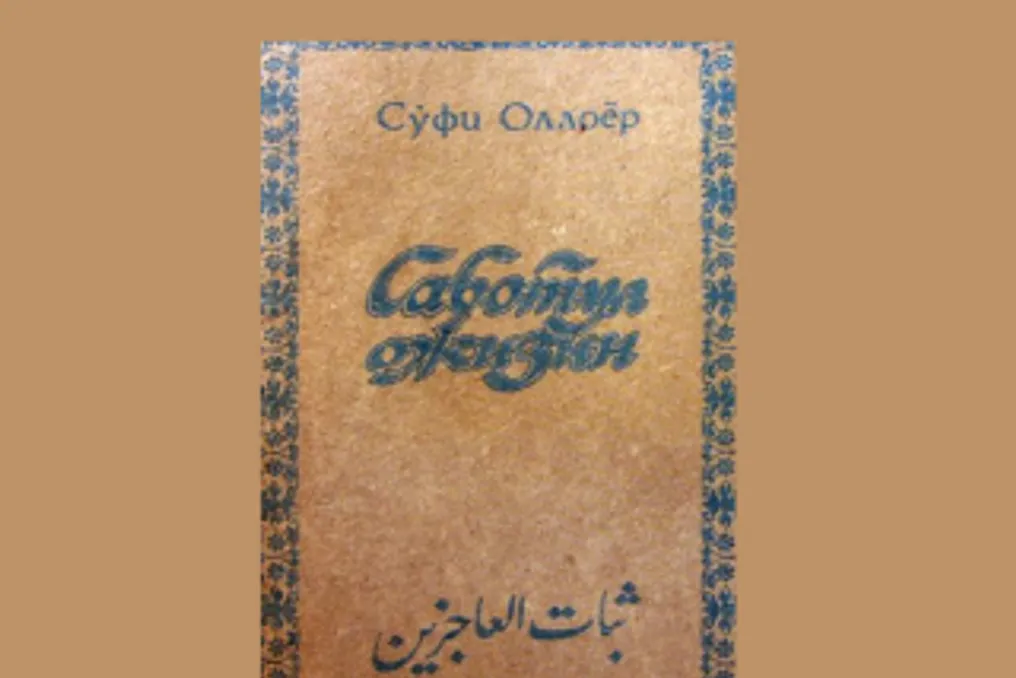
Asar 'Sabotul Ojizin' Leads Man to Spiritual Perfection

'Sabotul Ojizin' is one of the high-quality examples of Uzbek literature, and this work shows man the way to achieve spiritual perfection.

This work was created by Sufi Allahyor, considered a poet, writer, and faqih, and a leading representative of the Naqshbandi tariqa.

The name of the work means 'The fabric of the helpless' or 'The steadfastness of the helpless.'

This poetic work was taught as the main textbook of religious and moral sciences in madrasahs until the early 20th century.

Popular