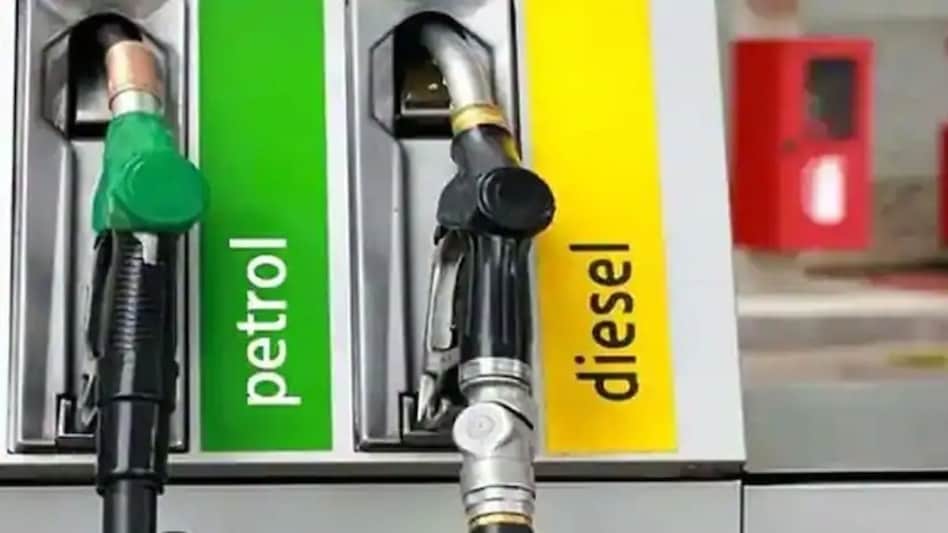
The Commission for Air Quality Management (CAQM) has issued strict directives to the concerned state governments and law enforcement agencies to prevent and control air pollution in the National Capital Region (NCR). Starting from October 1, 2026, there will be a ban on fueling vehicles without a valid Pollution Under Control Certificate (PUCC).
Measures to curb stubble burning, promote eco-friendly modes of transport, and control traffic congestion hotspots were discussed at the meeting. A review of the measures being taken to combat air pollution in Delhi-NCR, along with readiness for their implementation and adherence to norms, was conducted considering the upcoming winter season to take action against major sources of pollution.
According to directives dated May 15, 2026, a ban on fueling cars without a valid Pollution Under Control Certificate (PUCC) will be in effect from October 1, 2026. Furthermore, compliance checks were conducted regarding instructions on encouraging eco-friendly transport options by ride aggregators, delivery service providers, and e-commerce companies.
The issue of stubble burning was also discussed. Readiness to prevent instances of rice straw burning in Punjab, Haryana, and Uttar Pradesh was examined. Within the CAQM directives of May 15, 2026, measures to prevent pollution were discussed, including increasing farmer awareness and conducting informational campaigns, as well as utilizing crop residues for crop diversification. The Commission's goal is the complete eradication of stubble burning.
Additionally, preventing pollution caused by vehicular traffic was discussed. Instructions regarding the ban on entry into Delhi for BS-IV and lower category vehicles used in transport and commercial freight were reviewed. Guidance was also given to focus on using clean fuel and less polluting alternatives for buses entering Delhi. Emphasis was placed on accelerating measures against old and decommissioned vehicles, including their confiscation and scrapping.
The phased withdrawal of diesel auto-rickshaws from NCR areas by December 31, 2026, was also discussed. During the meeting, readiness for installing Automatic Number Plate Recognition (ANPR) systems at petrol and CNG stations was studied. An assessment of measures to reduce crowd accumulation and identify major intersections and traffic congestion hotspots in Delhi and NCR areas was conducted. Special attention was paid to strengthening the Integrated Traffic Management System (ITMS) and the automated fine system based on ANPR in these locations.
A directive issued to prevent air pollution from stone crushing units in NCR areas was also reviewed. Compliance with stringent emission standards for Delhi-NCR industries was checked. Considering the approaching winter season, special attention was given to the procurement and deployment of additional mechanical road sweeping machines, especially in high-dust areas that could become hotspots. Resolving complaints received through social media and CPCB was also discussed.
At the meeting, all relevant agencies were instructed to strictly follow the Commission's legislative guidelines, with a particular focus on timely action regarding pollution, stubble burning, road construction, and traffic movement during the winter period.