The automotive market has received several new developments, including the launch of the new combustion engine BMW 3 Series, initial glimpses of the Fiat Argo X, the electric version of the Range Rover Sport, and a multimedia update for classic Porsche models.
New Combustion BMW 3 Series
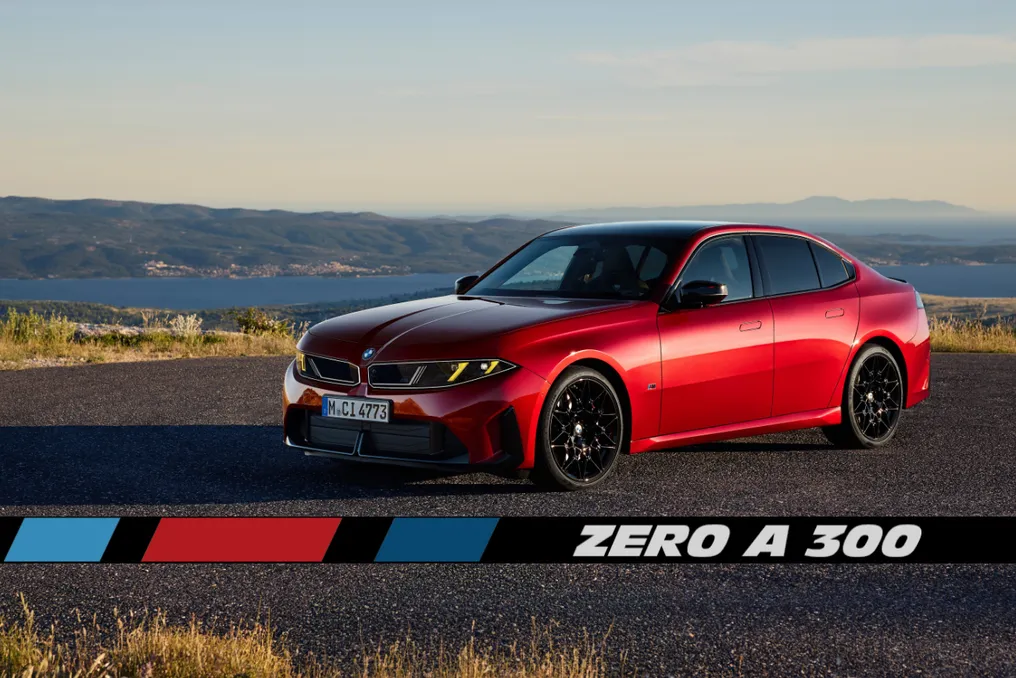
After just over six months since the electric variant, BMW introduced the new combustion engine 3 Series, identified by the code G50. Although both are named 3 Series and share strong visual similarities, they utilize distinct platforms. The visual identity follows the Neue Klasse style adopted by the manufacturer, with standardized headlights and taillights.
The combustion 3 Series features a more elongated hood, indicating its basis on the CLAR II platform, an evolution of the previous generation's architecture. BMW highlighted improvements such as widened front and rear tracks and a revised steering system, making it more precise and communicative. In contrast, the electric i3 model is built on the NAx architecture, the same one used in the iX3 SUV.
The vehicle's design occupies a peculiar position; although new BMWs rarely receive unanimous acclaim at launch, the trend suggests that enthusiasts will become accustomed to them over time. However, the new 3 Series carries the weight of the Neue Klasse name, referencing the iconic 1960s BMW 2002 without direct visual references, which might displease purists.
On the other hand, the G50 aligns with the brand's modern trend, presenting cleaner lines and more balanced proportions, eliminating excessive creases and folds and the prominent grille that was the target of criticism. While it cannot be classified as ugly, current criticism points to an excessively generic character.
Dynamics remain a strength of BMW. In the 3 Series G50, the highlight is the new M350 xDrive, which tops the combustion line in the absence of a new M3. This engine uses a classic 3.0-liter turbocharged inline six, complemented by a 48-volt mild-hybrid system integrated into the eight-speed automatic transmission. Power reaches 443 hp, allowing the sedan to accelerate from 0 to 100 km/h in 4.1 seconds.
A notable feature for enthusiasts is the system called 'Drift Moment.' BMW adapted a functionality typical of pure M models, allowing the xDrive system to disconnect the front axle, directing 100% of the power to the rear wheels for lateral maneuvers in corners.
For daily use, the 320 version maintains the 2.0-liter four-cylinder turbo engine, also with mild-hybrid assistance, generating 208 hp and coupled to the eight-speed transmission. The brand also confirmed the existence of an entry-level 318 version with 154 hp for Europe and anticipates plug-in hybrid versions for next year.
To accommodate these powertrains, the chassis tuning was specifically developed for the gasoline platform, incorporating a dedicated front suspension geometry, a recalibrated multi-link rear setup, and stiffer bushings compared to the electric model.
Internally, the differences between the electric and gasoline versions are minimized, and the cabin embraces the minimalism of the Neue Klasse language. The interior is dominated by an imposing 17.9-inch curved central display, focused on the driver, along with a new panoramic head-up display. The operating system is BMW OS X, based on Android, promising continuous updates and signaling BMW's commitment to reducing physical buttons on the dashboard.
In terms of dimensions, the G50 underwent a typical generational transition elongation to reinforce its road presence. The sedan now measures 4.76 meters long (5.2 cm longer than the previous one), is 1.85 m wide, and increased the wheelbase by almost 1 cm, reaching 2.88 meters.
Production was also segregated: while the electric i3 will be manufactured at the historic Munich headquarters, the entire combustion line of the new 3 Series will come from the Dingolfing assembly lines.
Considering the positive and negative aspects, BMW managed to find an intelligent way to preserve the mechanical essence that established the 3 Series, without neglecting what many consider the future of the industry. It remains to await the launch of the new M3.
Fiat Begins Revealing the Argo X
So far, everything known about the Fiat Argo X, which may be the brand's most relevant launch in the coming months, came from journalistic investigations and unofficial photos. However, the Italian-Minas manufacturer has finally released the first teasers with details of the vehicle.
The details are limited, consisting only of the emblem with a square typography and a close-up image of what appears to be the headlight. An initial surprise is that Fiat apparently will maintain the pixelated headlight of the European Grande Panda, the model that will serve as the basis for the Argo X. This is not a common aesthetic solution and certainly won't please everyone, but it is undeniable that Fiat will preserve the tradition of incorporating playful and creative design elements, as happened with the New Uno last decade (although this also did not have universal acceptance).
It is crucial to note that the Argo X should present significant structural changes compared to the model sold in the international market, given that its apparent function is to gradually replace the current Argo in the brand's entry-level lineup. This reflects Fiat's pattern of adapting its 'national versions,' simplifying engines and suspension systems for the Brazilian market, aiming for greater price competitiveness.
It is certain that two different mechanical units will be used, depending on the version. The most basic configurations should employ the well-known 1.0 naturally aspirated Firefly three-cylinder, six-valve engine, which delivers 75 hp and 10.7 kgfm, coupled with a five-speed manual transmission. More expensive versions may adopt the T200 Hybrid powertrain, equipped with a mild-hybrid system, producing 116 hp and 20.4 kgfm, always with a CVT gearbox simulating seven speeds. This engine is the same one used in the newly launched Jeep Avenger.
The Argo X is expected to arrive at dealerships soon, with projections pointing to the last quarter of 2026, although optimists bet on October.