The volatility of fresh food prices in South African markets is caused by a combination of seasonal transitions, local weather issues, and growing consumer demand at the end of the month.
According to the latest report from GroundRules by Agricultural Market Trends (AMT), agricultural economist Kons Moraba notes that short-term supply constraints provide stable support for the prices of staple crops such as tomatoes and potatoes, while the onion market, which shows extremely high prices, may be approaching a critical turning point.
Moraba predicts that 'the next two weeks could be much more favorable for fresh food prices.' He explains that improved demand occurs while supply remains limited, making the situation interesting.
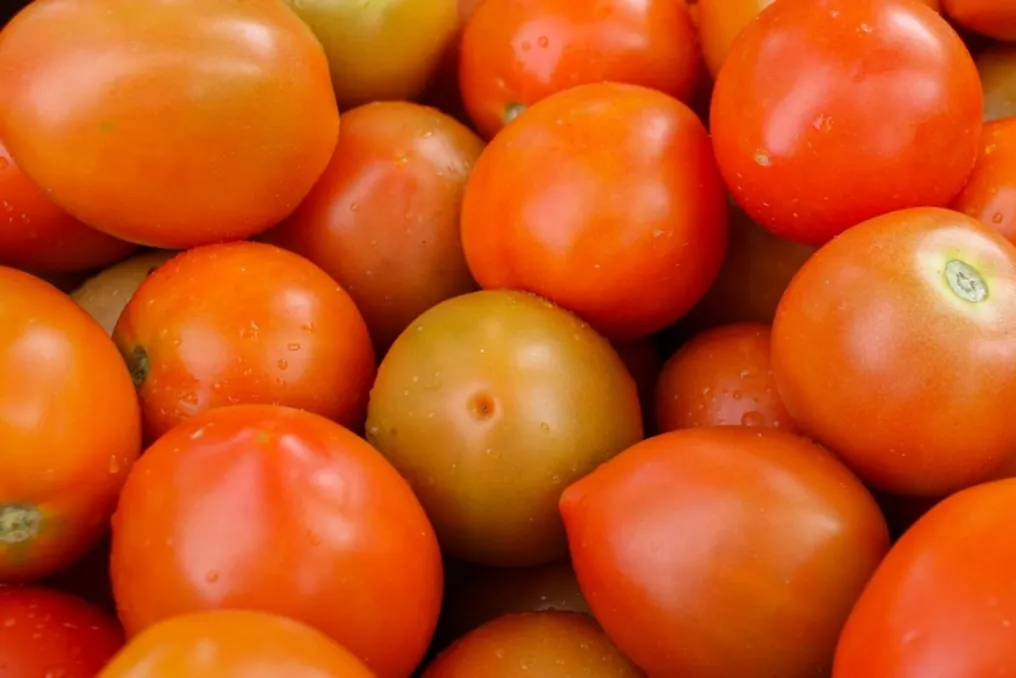
The most noticeable change this week was the sharp increase in tomato prices, which rose by a substantial 38% to reach R8.50 per kilogram, against a backdrop of a 19% decrease in overall market volume.
Moraba explained that this price jump is directly related to the agricultural calendar: production shifts from winter growing zones to summer regions, which regularly creates a temporary supply deficit. Combined with expected increased purchasing at the end of the month, prices may continue to rise in the near future.
Nevertheless, the potential for growth is constrained by local factors. Moraba warned that there is a risk of weakening demand in parts of the informal market, and if the tomato supply increases again, it could quickly lead to lower prices.
Potato buyers last week faced serious availability issues, leading to an increase in the average price to R67.19 per 10 kg bag. Among specific varieties and types noted were: Sifras varieties cost an average of R64 per 10 kg, while large world Class 1 varieties cost R80 per 10 kg, and average world varieties amounted to R71 per 10 kg.
Currently, South Africa is situated between the main production areas, resulting in minimal stock replenishment in fresh food markets. The shortage was so significant that the Johannesburg fresh food market sold out completely at the beginning of Monday.
Considering the forecast of additional rainfall for Limpopo, which threatens to slow down harvest and transportation schedules, along with higher demand at the end of the month, potato prices are expected to remain stable over the next two weeks.
Onions remain a commodity to watch closely. Although average prices have slightly decreased to R153.26 per 10 kg, they are still at an extraordinary 264% higher than in the same period last year, caused by a 34% year-on-year drop in supply.
Previously, bad weather severely restricted planting schedules, leading to the current national deficit. However, relief is possible. Moraba stated that 'this deficit seems to be coming to an end.' He added that 'if volumes recover strongly, onion prices could come under pressure quite quickly... This could be the turning point we were waiting for.'
In the fruit category, bananas dropped by 15% to R9.50 per kilogram (approximately R171 per 18 kg box) after an increase in volumes, although supply is expected to contract again before the end of the year.
Apples (R10.47/kg) and pears (R9.46/kg) maintained positive momentum ahead of the holiday season. Oranges decreased to R2.39/kg—remaining 53% cheaper year-on-year due to high domestic supply and export quality issues—however, a 20% weekly volume decline hints at a possible price recovery.