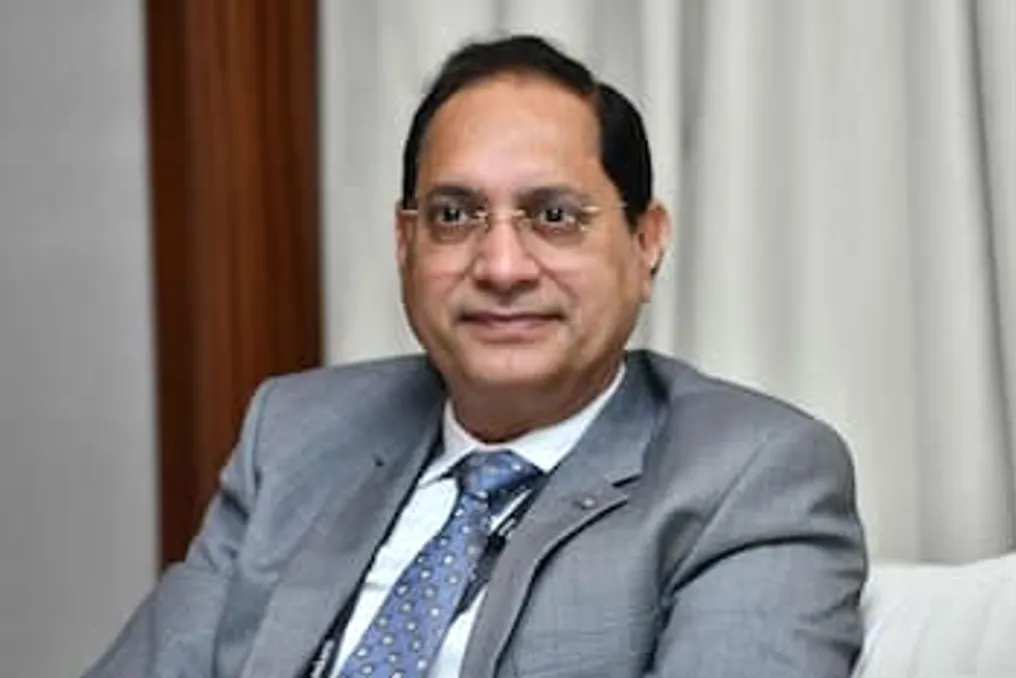
The Chairman of Sebi, Tuhin Kanta Pandey, announced on Wednesday that the regulators Securities and Exchange Board of India (Sebi) and Reserve Bank of India (RBI) are jointly working to simplify the process of registering and onboarding Foreign Portfolio Investors (FPIs), and they are also studying the possibility of developing index bonds on exchanges.
Speaking at the annual summit of the Association of Portfolio Managers in India, Pandey noted that both organizations aim to make FPI registration 'fast,' 'seamless,' and digital. He emphasized that RBI and Sebi are closely collaborating, having successfully resolved numerous issues, including accelerating the FPI onboarding process, and their goal is to make the procedure even simpler.
Through depositories and custodians, the onboarding of FPIs for certain jurisdictions has already been successfully tested within five business days. Sebi also encourages digital onboarding, allowing documents to be submitted using digital signatures instead of physical ones, which previously required apostille or notarization.
Several steps have been taken, including updating the NSDL frontend and launching the India Market Access portal for FPIs, which consolidates requirements, frequently asked questions, and documentation. Furthermore, the regulator has transitioned from physical powers of attorney to electronic powers of attorney.
Pandey added that RBI and Sebi are working on optimizing KYC. RBI has allowed relevant departments of foreign commercial banks to certify documents and is considering using the SWIFT process for uploading registration materials.
Development of the Bond and PMS Market
Regarding the bond market, Pandey stated that Sebi is working on developing index bonds that can be listed on exchanges. The Chairman noted that RBI has prepared a draft set of guidelines and requested comments, and they continue to work with RBI for their final approval.
In his address, Pandey also presented data on the growth of assets under management by portfolio managers, excluding PF and EPFO assets. By August 2026, these assets grew to approximately 9.2 trillion rupees from 1.4 trillion rupees at the end of the financial year 2016, corresponding to an annual growth rate of about 20 percent. The number of registered portfolio managers exceeded 530, and clients of discretionary PMS reached approximately 2.2 lakh.
Sebi's new PMS structure aims to expand investment opportunities, simplify regulatory requirements, ease compliance, and eliminate redundant provisions. It introduces PRIM, allowing portfolio managers to use direct mutual fund plans, including ETFs, index funds, and SIFs, with a minimum threshold of 25 lakh rupees. The concept of Independent Fund Managers is also being introduced.
Pandey warned that the growth of the PMS industry entails greater responsibility for portfolio managers. He stressed that while PMS clients may meet established investment thresholds, suitability and compliance are not synonymous. Portfolio managers, possessing a deep understanding of concentration, liquidity, volatility, and downside risk strategies, must possess an equally deep understanding of investors. He also strongly recommended presenting performance results with context, including risks taken, relevant benchmarks, portfolio concentration, and drawdowns.