FSSAI Suspends License of Seven Seas Hospitality Due to Sanitary Violations
Read more
Business Standard
business-standard.com

FSSAI Suspends License of Seven Seas Hospitality Due to Sanitary Violations

The Food Safety and Standards Authority of India (FSSAI) has immediately suspended the license of Seven Seas Hospitality Private Limited, a catering and banquet company based in Delhi. The reason cited was non-compliance with requirements and violations of food safety rules discovered during an inspection of the company's production premises.

In posts on Instagram and X, FSSAI indicated that poor hygiene and sanitation conditions were observed, including stagnant water, foul odors, dirt, and inadequate maintenance of order in food preparation areas.

The food regulator also found spoiled food products, including fungal infection on tomatoes, papaya, sugarcane, and cashews. Additionally, rotten sweet peppers and blackened, degraded cooking oil were discovered.

It was noted that there was 'insufficient separation of meat and vegetarian products, improper storage of meat and condensation dripping onto products in cold storage chambers.'

The regulator also identified deficiencies in infrastructure and pest control, such as leaks in refrigeration equipment, excessive ice buildup, peeling plaster, inadequate cold storage, poor ventilation and lighting, as well as the presence of cockroaches and house flies.

FSSAI reported that approximately 74 kilograms of non-compliant food products were destroyed on site. The Food Business Operator (FBO) received a compliance rating of 30 percent, which is classified as non-compliant.
Similar stories

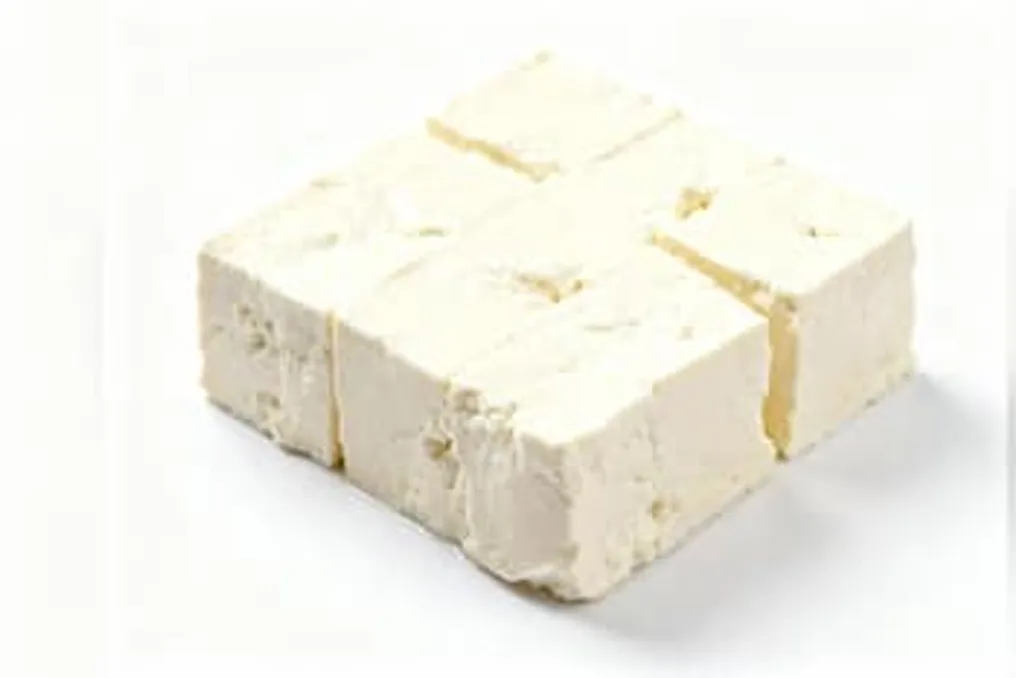
FSSAI proposes banning the production and sale of analog paneer cheese amid intensified fight against falsification
Read more
business-standard.com

FSSAI proposes banning the production and sale of analog paneer cheese amid intensified fight against falsification

The food regulator FSSAI has proposed banning the manufacture and sale of non-dairy products marketed as paneer. This step is part of strengthening measures to combat food adulteration and misleading claims.

Analog paneer is not a dairy product and is made from components not derived from milk. FSSAI released a draft Amendment to the Food Safety and Standards Regulations (Ban and Restrictions on Sale) for 2026. Interested parties have 60 days to submit objections or suggestions regarding these draft rules, which aim to amend the Food Safety and Standards Regulations (Ban and Restrictions on Sale) of 2011.

The FSSAI notification stated that the proposed amendment is intended to restrict the production and sale of analog products in the form of paneer to prevent misleading consumers about the nature and composition of this product.

Furthermore, a requirement was added stipulating that products already licensed or registered under the category 'Dairy Context Analog' must cease using the term 'paneer' in their nomenclature, labeling, or marketing.

The Ministry of Health stated that FSSAI has proposed banning the use of the term 'paneer' for products not derived from milk. The Ministry noted that the goal of the proposed amendment is to ensure that the name and presentation of food products accurately reflect their composition and nature, allowing consumers to make informed decisions.

The main Food Safety and Standards Regulations (Ban and Restrictions on Sale) were approved in 2011 and have been periodically amended. The proposed amendment introduces a new clause into the existing rules specifically concerning 'paneer made from components not derived from milk.'

In a dairy context, an analog is defined as a product that is externally, taste-wise, or functionally similar to milk or a dairy product, but with some or all of the original milk components replaced by non-dairy ingredients.

Over the past six months, FSSAI has intensified enforcement actions against Food Business Operators (FBOs) and e-commerce platforms due to alleged misleading claims/labeling and hygiene issues, among other violations.

On Wednesday, the regulator began imposing penalties on e-commerce platforms Amazon, Swiggy Instamart, BigBasket, Flipkart India, and Zepto for various non-compliances, including misleading claims and the sale of prohibited products. Measures were also taken against energy drink manufacturers and alcoholic beverage companies.

Popular