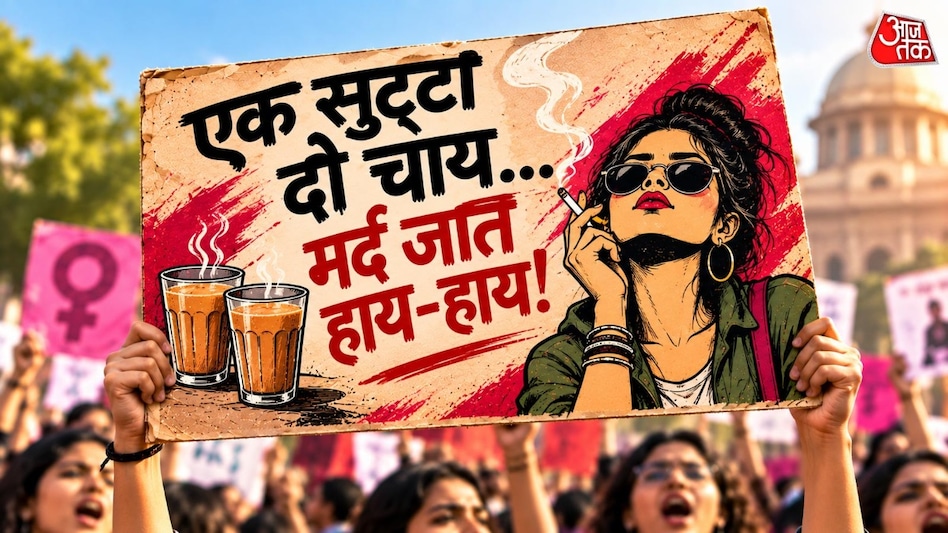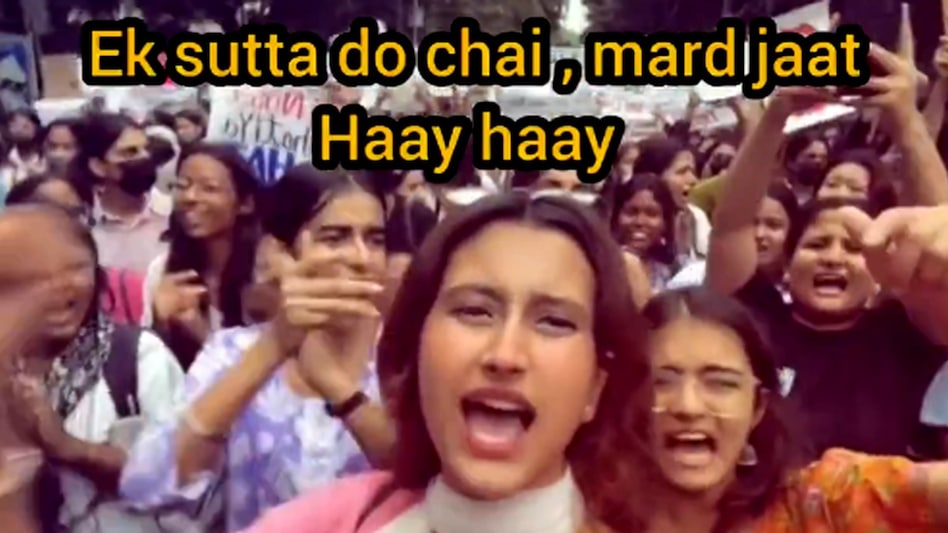
Slogans such as '1 kachori, 2 samosas, who can these men be relied upon...' are actively being discussed on social media. Although many perceive this as a humorous trend among Generation Z, it is necessary to understand the true sentiments of the girls who took to the streets. When hundreds of female students and young people from the Faculty of Arts at Delhi University (DU) took to the streets, it was not just a rhyme or a slogan; it was the sharp anger of Delhi girls forced to live in fear, which has now coalesced into a movement under the slogan 'Women are Free.'
The protests began after the tragic case of a 17-year-old girl being raped in Astha Kundzh Park in South Delhi. Following this, students from Miranda House, LSR, Gargi, and Kamala Nehru colleges took to the streets. During this movement, various slogans were voiced that directly challenged conservative thinking and patriarchy. Among them were: 'Arrest the rapist, not the girls,' 'Don't need to know a daughter's location, check the son's intentions,' and 'We don't need to hold demonstrations for freedom.'
These young women question why they are subjected to scrutiny when a crime is committed against them. Furthermore, they presented the government with a charter containing ten main demands. These demands include improving street lighting around universities, roads, and parks; increasing the number of special DTC shuttles and buses for female students; providing metro travel discounts for women; ensuring clean and functional public toilets; providing basic amenities related to menstrual health; creating safe transportation for female students traveling late at night; freedom to use public spaces without any restrictions or 'moral policing'; increasing police accountability during patrols and enhancing security near educational institutions; regular monitoring via CCTV without prior notice; and finally, immediate and strict prosecution of criminals instead of blaming the victim.
This movement, which initially lacked political coloring, is now gaining national support. For instance, Lok Sabha opposition leader Rahul Gandhi supported the movement in his social media post. He noted that the system that blames the victim is a problem because women across the country are afraid to take to the streets, and the government's response often amounts to 'Stay home.'
The Supreme Court has also intervened in the situation, directing the commencement of hearings on the petition regarding recent crimes in Delhi-NCR, particularly the incident at Astha Kundzh Park. The court demanded a report from officials on law and public safety.
This issue has resurfaced 14 years after the 'Nirbhaya' incident in 2012: how safe have the streets of Delhi become for women? The new generation of Gen Z is no longer limited to lighting candles; it is demanding its equal right and freedom in every corner of the city.