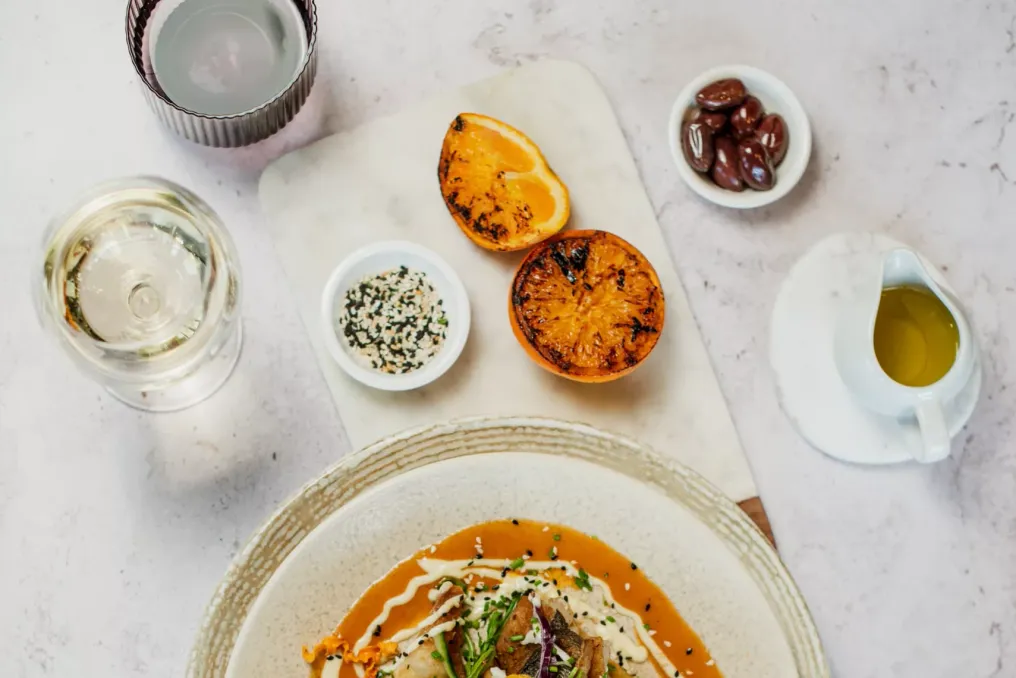
Traditionally, haute cuisine was associated with formality, including white tablecloths, complex etiquette, and impeccable service. However, the approach to dining is changing, and modern restaurant patrons are increasingly seeking something more than just the quantity of dishes or the cost of the food—they are looking for connection.
This shift reflects a change in expectations regarding what makes a restaurant visit memorable. According to the National Restaurant Association's 2025 industry state report, 64% of full-service restaurant customers consider the dining experience more important than the price of the dish. OpenTable's 2025 dining trend study also showed a 27% increase in bookings for experiences, indicating growing visitor interest in meals that become events in themselves.
For travelers, this holds particular significance. A restaurant is no longer just a place to eat after sightseeing; it is increasingly becoming part of the destination itself, contributing to the overall impression through its atmosphere, history, people, and stories.
Some renowned global restaurants have driven this change. For instance, Noma in Copenhagen bases its approach on storytelling, seasonality, and ingredient provenance, while The Connaught in London demonstrates the importance of personalized hospitality for a luxurious gastronomic experience, alongside the food itself.
A similar movement is observed in South Africa. Establishments such as Farro, Post & Pepper, and De Tafel at The Palms have forged their identity by emphasizing thoughtful cuisine and hospitality, rather than relying solely on the rituals traditionally associated with fine dining.
Despite differences in methods, these examples reflect a broader trend in the restaurant industry: patrons increasingly prefer places that feel personal, welcoming, and memorable, rather than merely formal.
According to Chef Kerry Kilpin, Executive Chef at Steenberg Farm, there is a shift in the perception of luxury. She notes: 'Guests still expect exceptional food and service, but they want that experience to feel effortless.' She adds that 'Today, luxury is less about formality and more about a feeling of genuine warmth, comfort, and care.'
Good hospitality has always been an important aspect, but it is becoming an increasingly visible part of the gastronomic experience. Recognition, attentive service, and a sense of comfort in a restaurant can shape a guest's memories as much as what is served on the plate.
Kilpin emphasizes: 'People don't want to feel like just another table in a restaurant. They want to be recognized. They want connection. When guests leave, the most vivid feeling they take away is often what they remember most.'
This sense of connection is particularly pronounced during travel. A meal can introduce visitors to a region through its ingredients, producers, traditions, and people, offering an experience that goes beyond simply tasting local cuisine.
Storytelling is also becoming an increasingly significant element of premium dining. Patrons show heightened interest in where ingredients come from, who produces them, and the history of the restaurants they visit.
For example, at Tryn at Steenberg Farm, the restaurant's name pays homage to Katarina Ras, the founder of Steenberg, affectionately known as 'Trin.' The restaurant integrates the heritage of South Africa's oldest registered farm into its gastronomic experience, linking the setting and history with the food served.
The partnership with ABALOBI adds another layer to this story. Steenberg Farm sources fully traceable fish from local small-scale fishermen, allowing guests to trace the journey of their seafood from ocean to plate and learn more about the people behind the catch.
Kilpin asserts: 'Stories help people establish an emotional connection. People remember stories. They remember the people behind them, and that creates a much deeper experience than just serving food.'
The search for connection extends to the location itself. Restaurants with a strong sense of place can offer visitors an experience rooted in their surroundings, whether it is a historic building, a vineyard landscape, a coastal setting, or a connection to local producers.
For destination-focused restaurants, the environment can become a reason for the visit. At Steenberg, the vineyards, mountain scenery, historical heritage, and diverse culinary offerings contribute to the guest's overall journey.
Kilpin concludes: 'People are looking for opportunities to slow down and spend meaningful time together. Good food and wine are important, but what many guests are looking for is connection.'
This could mean celebrating an important date, spending a day with friends, or simply taking time for a long lunch. The event doesn't necessarily have to be grand; the presence of a memorable place for gatherings is gaining increasing value.
Haute cuisine is unlikely to abandon its focus on exceptional food, wine, and service. Only the balance between these elements and the surrounding atmosphere is changing.
In Kilpin's view, 'The future of premium dining is not about complicating things, but about creating meaningful moments that people genuinely enjoy and remember.'
For restaurants, this means that details beyond the plate can be as important as the food itself. A warm welcome, a sense of place, a compelling story, or interaction with the people behind the ingredients can transform a meal into a complete experience.
As the definition of luxury dining evolves, formality ceases to be the sole measure of sophistication. For many patrons, the most unforgettable restaurant experiences are those that make them feel desired, connected to the place they are visiting, and part of something worthwhile.