A new global study has revealed a worrying link between certain infections and the increase in cancer cases worldwide. According to the data, approximately 20.6 million new cancer cases were registered in 2024, of which about 2.3 million were linked to various infections. This means that roughly one in every eight cancer cases in 2024 was associated with an infection.
Scientists identified five main infections most closely associated with these cases. These include H. pylori, HPV, hepatitis B virus, Epstein-Barr virus, and hepatitis C virus. The study was conducted by researchers from the International Agency for Research on Cancer and published in the journal 'The Lancet Oncology', based on global cancer data for 2024.
When discussing cancer, factors such as smoking, alcohol consumption, poor diet, and lack of physical activity are often mentioned. However, some infections that remain in the body for a long time can also contribute to the development of cancer. It is important to note that having an infection does not guarantee cancer development; this study examines the general correlation between cancer and infections.
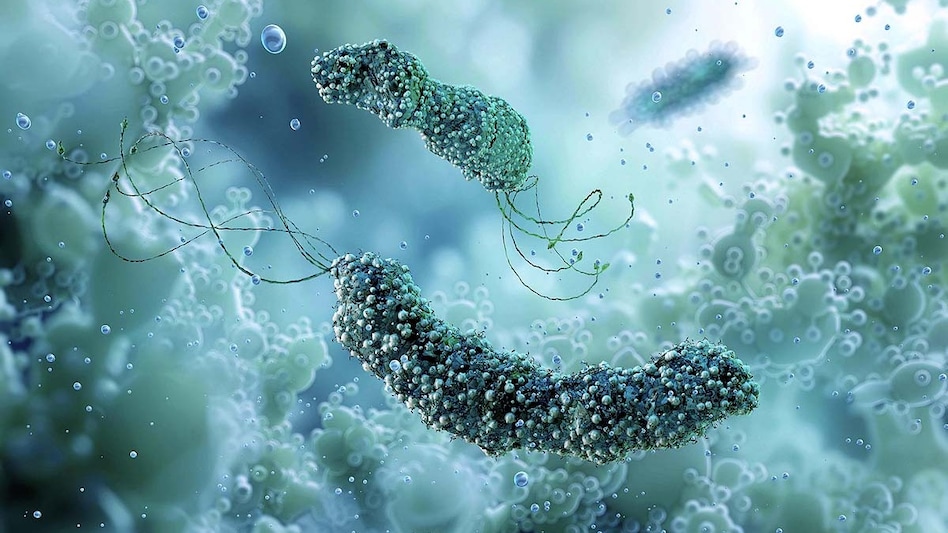
Among the five infections studied, the highest number of cancer cases was linked to H. pylori. About 7.6 lakh such cases were identified in 2024. H. pylori is a bacterium that can cause stomach infection. In many people, the symptoms of this infection are mild. If the infection persists in the body for a long time, it can lead to stomach ulcers and increase the risk of stomach cancer in some cases.
HPV, or human papillomavirus, ranked second in terms of linked cases. About 7.5 lakh cancer cases in 2024 were linked to HPV. The strongest association of this virus is observed with cervical cancer, but it is also associated with some other types of cancer. There is a vaccine against HPV, so vaccination is considered one of the most important methods of cancer prevention.
Hepatitis B virus (HBV) was linked to approximately 2% of new cancer cases in 2024, with the strongest association observed with liver cancer. Chronic hepatitis B infection can damage the liver. Similarly, hepatitis C virus (HCV) is also linked to cancer, although the proportion of cases linked to HCV in 2024 was less than 1%. Both Hepatitis B and C viruses can increase the risk of liver cancer with prolonged exposure.
The fifth infectious agent is Epstein-Barr virus (EBV). About 1% of new cancer cases in 2024 were linked to this virus. Although EBV is a common virus, its link to cancer has been established in some cases. The new study included EBV in the list of infections associated with cancer risk because there is now more evidence of a link between this virus and oncological diseases.
According to the study, about three-quarters of cancer cases linked to infections were found in low- and middle-income countries. The highest number of such cases was recorded in East Asia, where more cases of cancer linked to H. pylori and hepatitis B were identified. Scientists note that many infections can be controlled through vaccines, testing, and adequate treatment. Vaccines are available for HPV and hepatitis B, while work is underway to develop vaccines and other preventive measures for H. pylori and EBV. The study emphasizes that early detection, proper treatment, and increased vaccination rates can help prevent many cases of cancer.