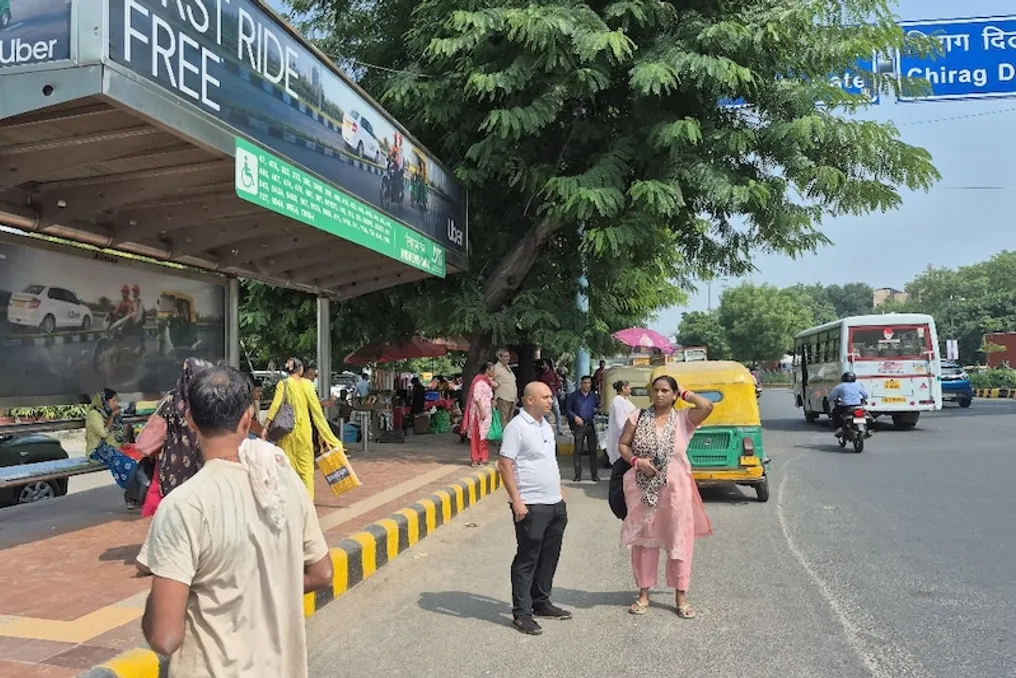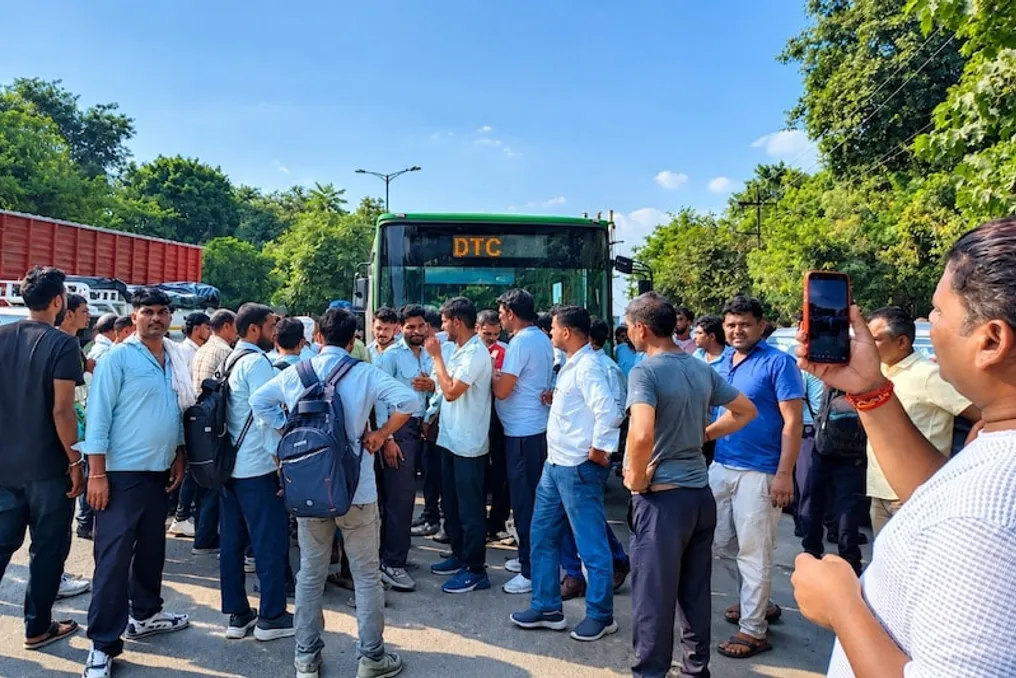
The DTC driver strike, which began on September 16, has slowed down following the introduction of ESMA. The Delhi government declared DTC and cluster bus services as essential transport services for a period of six months, which suspended the strikes and protests by employees.
This has led to some improvements in the operation of bus services, bringing relief to passengers. Currently, striking drivers are receiving 747 rupees per day, but the union demands 2000 rupees daily, along with medical care and social security.
Due to the shortage of drivers, private concessionaire bus services have also been affected. According to the union, DTC recruited about 500 drivers to operate buses alongside private operators. Among them are drivers who were previously assigned duties unrelated to driving. The ESMA order will apply to both permanent staff and contract, outsourcing, and private concessionaire employees.
Public transport in Delhi includes about 6600 buses, of which approximately 4900 are electric and 1750 run on compressed natural gas (CNG).
Contract drivers and conductors at DTC are on strike due to demands for a wage increase, medical care, and accident insurance. Drivers reported that they are paid only about 22 thousand rupees per month. Furthermore, they do not receive medical care or life insurance, leading them to demand a raise and these additional services.
Drivers stated that they will remain on strike until their demands are met. In fact, the salary of contract drivers at DTC is up to 22 thousand rupees, whereas the salary of permanent staff reaches 80 thousand rupees. Drivers insist on a daily payment of 1500 rupees.