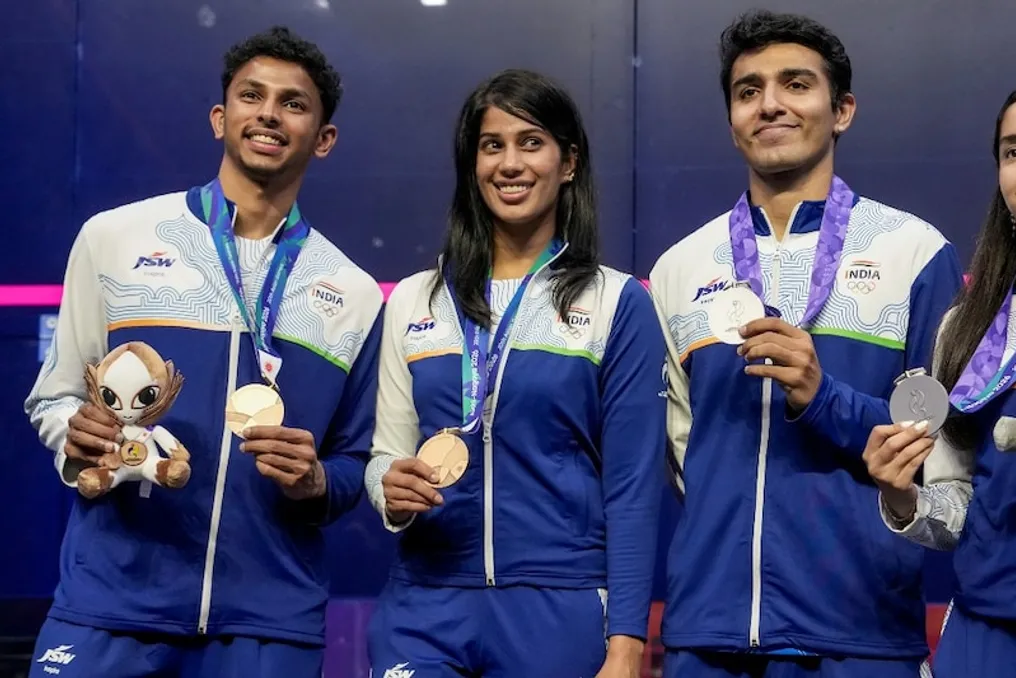
The first ten days of the 20th Asian Games in Nagoya, Japan, concluded with extremely negative news for India. India, which won 106 medals, including 28 gold, at the previous Games in Hangzhou, China, has significantly dropped in the medal tally.
Despite the Indian delegation heading to the 2026 Asian Cup numbering 495 people and receiving about 80 billion rupees for preparation, the current results look disappointing. The sports system's claims of creating a 'new India' capable of winning a hundred medals in Japan have proven unsubstantiated on the sporting arenas.
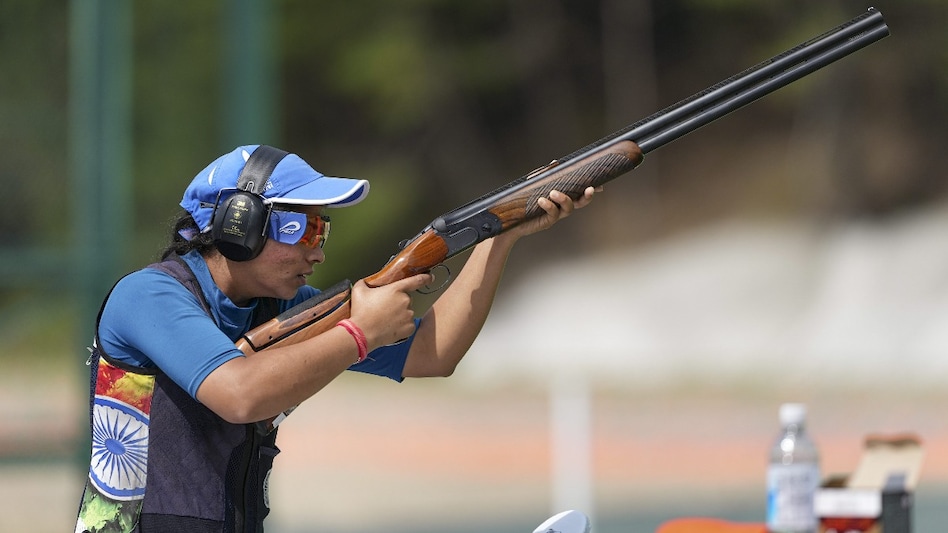
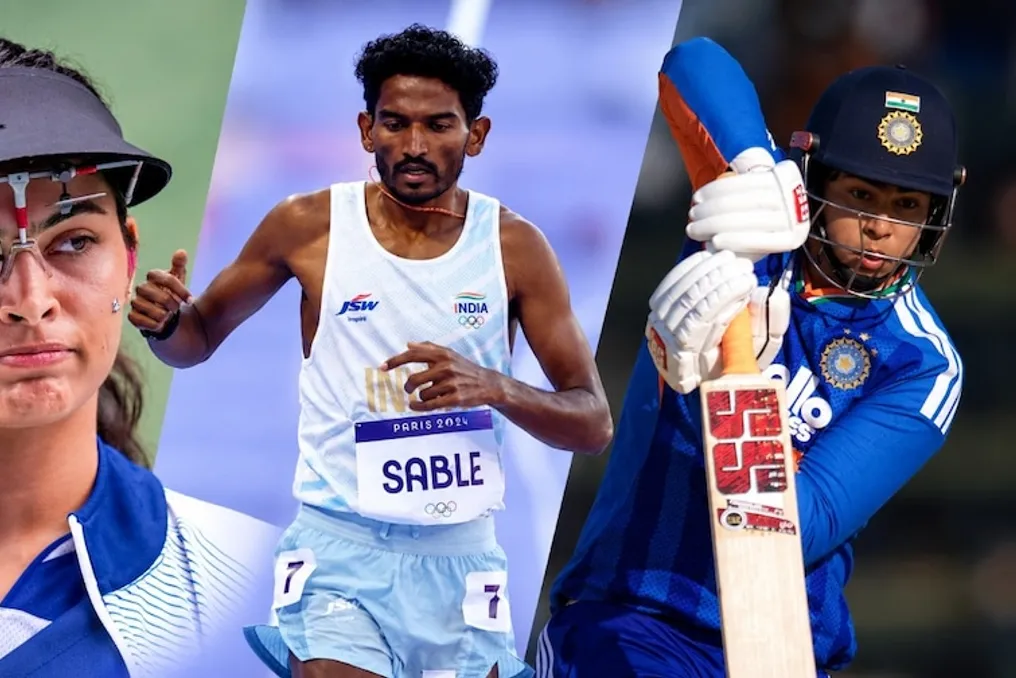
Currently, India has won only six gold medals. Of these, three golds were obtained in sports rarely practiced by other countries and where India is traditionally strong: two golds in wrestling (women's and men's teams) and one gold in women's cricket. Two more golds were won in shooting, which is considered an encouraging moment, and one gold was secured in athletics, although more was expected from India.
The main reason for this decline was a significant failure in athletics. Historically, athletics was India's strongest suit at the Asian Games, bringing the country the largest number of gold medals. However, in Japan, athletics remained almost empty in terms of gold awards. Athletes who were expected to guarantee gold in running and field events either faltered under pressure or could not find their form.
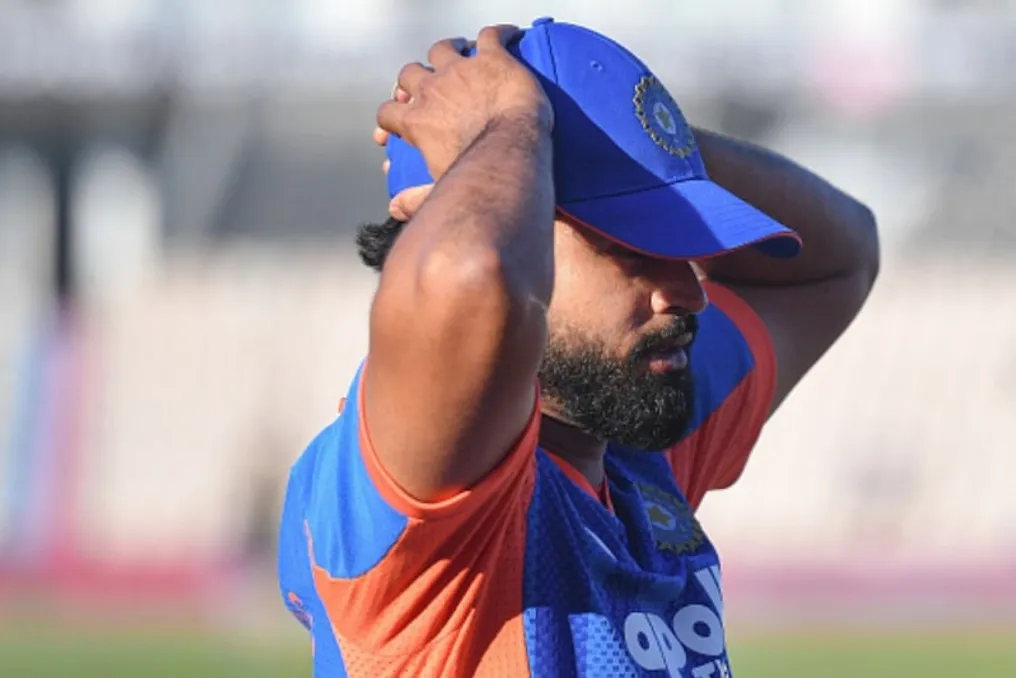
The biggest blow to India came from the teams of Japan, South Korea, Qatar, Bahrain, Iran, and Uzbekistan, who strategically bypassed Indian athletes and excluded them from the fight for the podium. Only four days of competition remain, and hopes are placed on wrestling, shooting, and boxing. One gold is also expected in men's cricket and partial gold in hockey.
An analysis of the entire history of the Asian Games shows that the success of 2022 was more of a pleasant exception than a reflection of the real situation. Over the 70-year history of the Asian Games, India's average ranking fluctuated between sixth and eighth, and the average number of medals was in the range of 35–50. After taking second place at the first Asian Games in 1951, India has never been able to repeat that level.
Although India set a new benchmark in 2023 by winning 106 medals, including 28 gold, in 2026 the country returned to its old and weak performance, indicating a lack of a sustainable system to replicate great achievements.
The most shocking and bitter fact of these Asian Games is that India is competing not so much against giants like China or host Japan, but at the level of a small region of China—Hong Kong. India's helplessness against a territory the size of a small city, despite a huge budget and population, has become one of the biggest failures in Indian sports history.
Moreover, North Korea, isolated from the world, ranks higher in the medal table than India. Iran, which has been involved in conflicts for the last six months, has already won nine gold medals. To get out of this difficult situation, India needs to learn lessons from China's experience.
At the Asian Games in Bangkok in 1978, China took second place, yielding to Japan, which marked a turning point in China's sports policy. After this, China radically changed its approach and never looked back. From the Asian Games in Delhi in 1982 to the Asian Games in Japan in 2026, China has consistently held first place in the table. Currently, China has over 138 gold medals, while the host Japan, in second place, has about 42 gold.
China has demonstrated that success in sports is achieved not by chance, but by a clearly defined goal and scientific preparation.
Instead of blaming cricket, the true problem must be sought. When India experiences a drop in the medal count at the Asian Games or Olympic Games, the easiest path is to blame cricket. The argument is often put forward that cricket diverts all resources, sponsors, and media attention, leaving other sports unsupported. However, this argument is completely unfounded when looking at countries like England and Australia, where cricket is also extremely popular and rich.