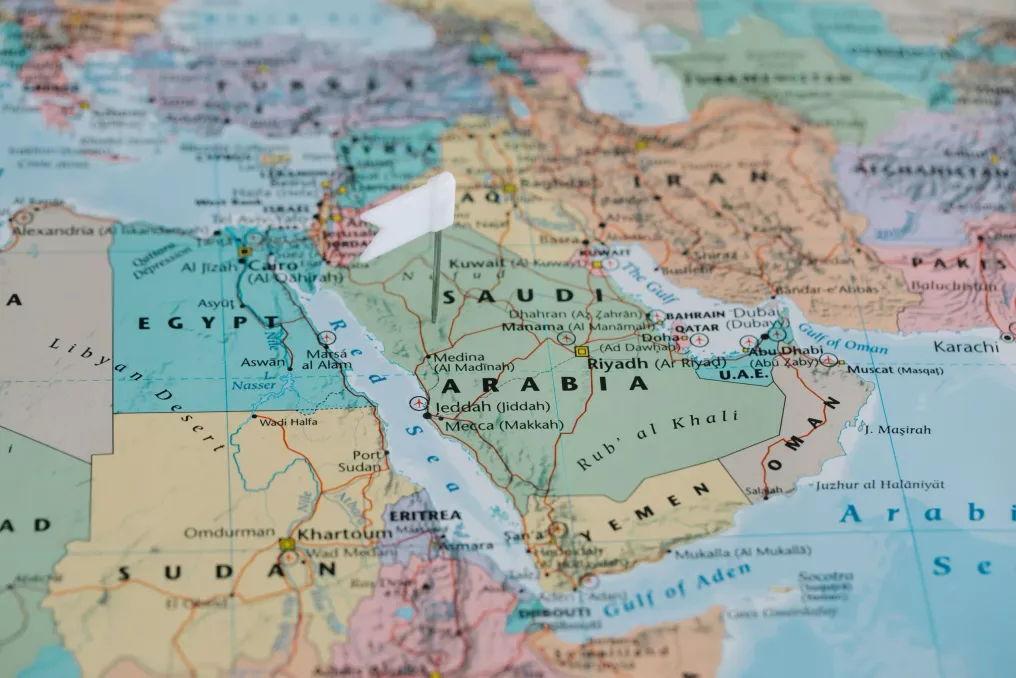
Travel through the Middle East remains unpredictable as several aviation safety recommendations approach their review date of September 30th, forcing airlines and passengers to navigate the rapidly changing regional airspace.
The European Union Aviation Safety Agency (EASA) continues to recommend against flying in the airspace of Iran, Iraq, and Lebanon. Additionally, there are specific advisories concerning parts of the Persian Gulf, Israel, and adjacent areas. The current warning for the Persian Gulf is also scheduled for review at the end of September.
For travelers themselves, this does not mean automatic flight cancellations. Airlines may continue operations where appropriate risk assessments are conducted and safety measures are implemented, but routes may be adjusted as conditions change.
For South African citizens, the consequences may extend beyond direct trips to the Middle East. This region is a major international aviation hub through which thousands of passengers travel between South Africa, Europe, and Asia, utilizing airports in the UAE, Qatar, and other Gulf states. Consequently, changes in airspace could lead to route alterations, increased flight durations, schedule changes, or missed connections.
Recent events have already demonstrated how quickly the situation can change. On September 24th, the UAE suspended flights operated by Iranian airlines following new US sanctions against companies dealing with Iranian carriers.
Anyone traveling through this region should not check flight information just once. It is necessary to regularly monitor airline apps and websites, especially a few hours before departure. Passengers should also pay attention to connecting flights, not just the initial leg of the journey, as a change in one route can trigger a chain reaction throughout the flight plan.
The expiration of the aviation bulletin on September 30th does not guarantee the disappearance of restrictions the next day. EASA continues to monitor the situation and may extend or modify its recommendations as circumstances develop. Currently, travelers heading through the Middle East are advised to build flexibility into their plans, stay informed, and consult directly with their airline before traveling to the airport.