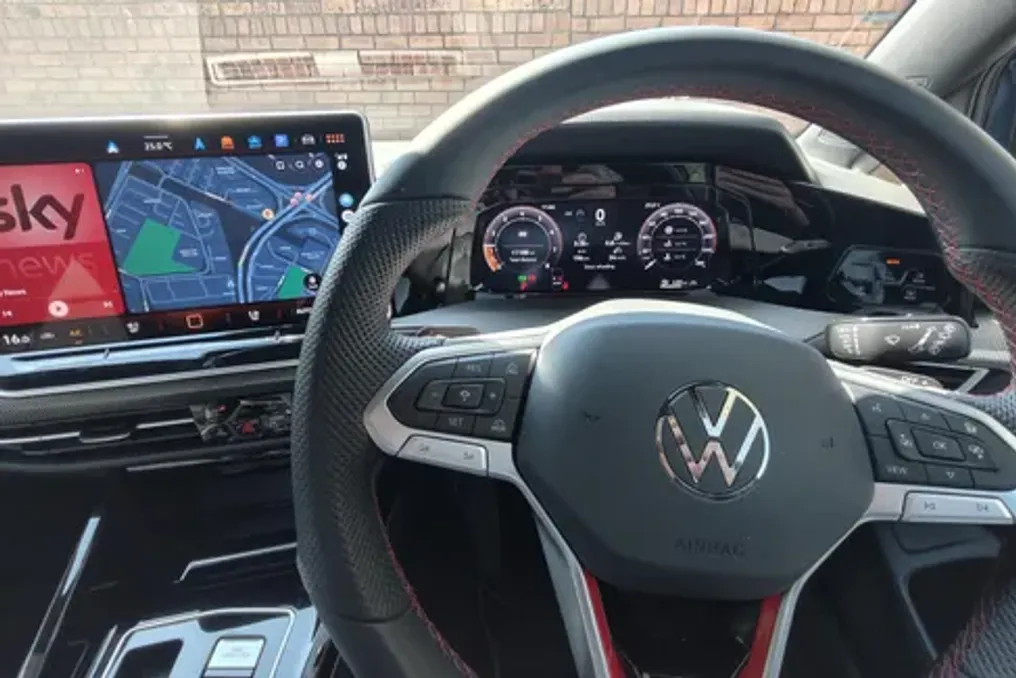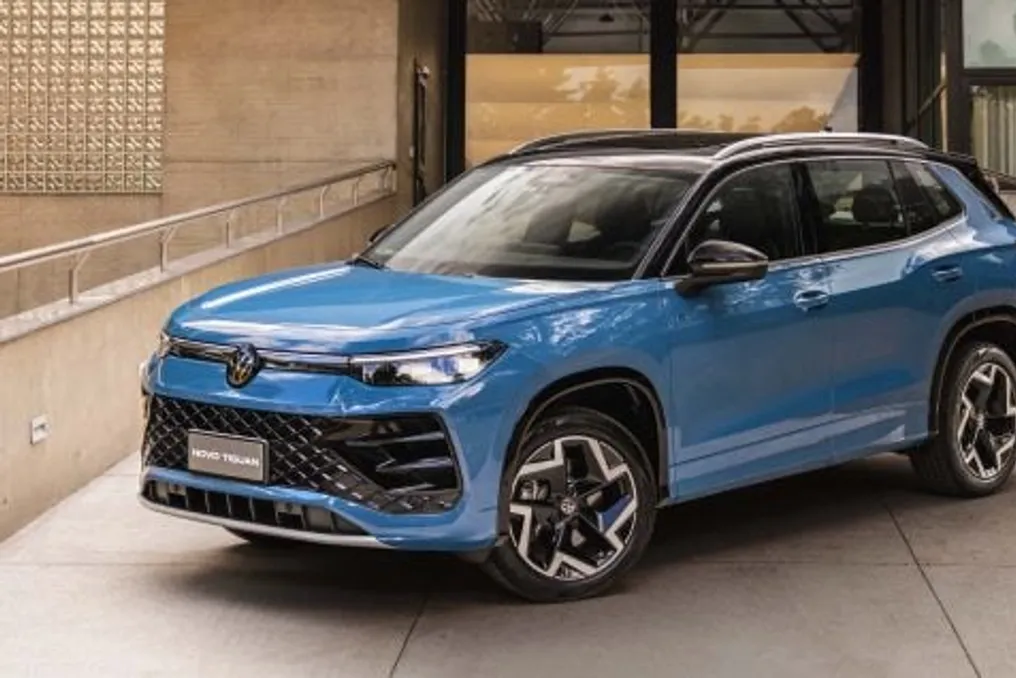
Volkswagen and Audi have initiated a worldwide recall campaign covering 2,855,601 automobiles due to a potential risk of steering system failure. This action was disclosed on September 22nd by the KBA, the German federal traffic authority, and is related to a screw susceptible to corrosion and subsequent breakage.
Subsequently, the recall was expanded to include Seat and Skoda models, raising the total number of potentially affected vehicles to approximately 4 million, as reported by the German newspaper Handelsblatt.
In the Volkswagen catalog, there are 2,159,054 global units, with 895,832 located in Germany. The Golf, Golf Variant, Tiguan, Touran, and Caddy models, manufactured between September 24, 2013, and July 1, 2024, are included in this group. Audi is responsible for 696,547 cars globally, with 58,555 in Germany, all belonging to the Q3 SUV, produced between October 31, 2017, and May 23, 2024.
The defect lies in the right screw that connects the steering box to the front subframe. Wear caused by moisture and salt residues used on roads during the European winter can lead to the corrosion and weakening of this part.
According to the German portal Heise, the breaking of the screw does not cause an immediate loss of steering, as the box remains fixed at another point; however, additional stress can result in the cracking of the component housing. Neither the KBA nor the manufacturers issued reliable alerts about this issue.
The corrective procedure requires replacing the screw with a more corrosion-resistant model. The German automobile club ADAC reported that, due to stock shortages, some vehicles may initially receive a new screw of the same old type. A Volkswagen spokesperson assured that the vehicles can continue to circulate.
In a statement sent to AutoPapo, Volkswagen clarified that 'internal quality inspections identified a possible failure in the steering system of certain vehicles from different Volkswagen models. After many years of use, exposure to road salt, under specific environmental conditions, can cause corrosion in a system fixing screw. In isolated cases, if corrosion advances, the fixation may be compromised and affect steering operation.' The manufacturer also stated that, so far, there have been no registered victims or significant material damage linked to the issue.
The company emphasized that, 'as a preventive measure and to ensure the highest possible level of safety for customers, Volkswagen is calling on owners of the involved vehicles to visit an authorized dealership and replace the component.' Although the Golf, Tiguan, and Q3 models were sold in Brazil during the mentioned periods, the official Volkswagen note does not specify how many Brazilian cars are affected or which chassis are involved.