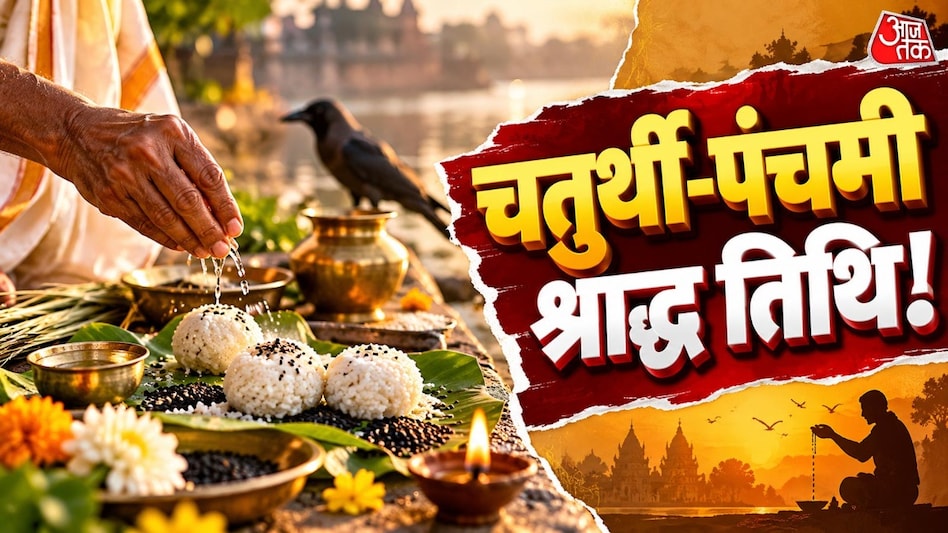
During the Pitru Paksha period, the Shraddha, Tarpan, and Pindadaan rituals are performed for ancestors. According to beliefs, performing these rituals during this time brings peace to the souls of deceased ancestors. In 2026, September 30 acquires special significance because on this day, the Shraddha rituals for Chaturthi and Panchami will be combined. Below is an explanation of the meaning of these two rituals and the reasons for conducting them on the same date.
According to the Hindu Panchang, Chaturthi Tithi will begin on the evening of September 29 at 05:09 and last until 14:55 on September 30. Following this, Panchami Tithi will begin, lasting until 12:35 on October 1. Experts in sacred scriptures believe that since the afternoon time is important for Shraddha rituals, conducting the rituals of both dates on Wednesday, September 30, is considered permissible.
According to sacred texts, Kutup Kala is considered the most auspicious and pure time for performing Shraddha and Tarpan rites during the Pitru Paksha period. On September 30, Kutup Vela will last from 11:47 AM to 12:35 PM. However, it should be noted that this time may vary slightly in different cities across the country, so it is recommended to consult the Panchang beforehand.
On September 30, Shraddha rituals for both Chaturthi and Panchami will be performed. Shraddha Chaturthi is intended to bring peace to the souls of ancestors who passed away on Chaturthi Tithi, whether in the Krishna Paksha or Shukla Paksha of the lunar month. Furthermore, rituals are performed for unmarried deceased individuals during Panchami Tithi, which is also called Kunwara Panchami. On this day, Shraddha is also performed for those who died on Panchami Tithi, whether in the Krishna Paksha or Shukla Paksha of the lunar month.
The tradition involves preparing Pinda and Tarpan for ancestors during Chaturthi-Panchami Pitru Paksha. Wheat flour, rice, or barley, along with honey, ghee, and black sesame seeds, are used to create the pinda. These pindas are then reverently offered to the ancestors. After preparing the pinda, the ancestors are given Tarpan by mixing black sesame seeds with water. During this ritual, there is a tradition of wearing a ring made of Kusha on the ring finger of the right hand.
After completing the Shraddha ritual, it is customary to feed Brahmins and make offerings. Within the framework of the Pitru Paksha Shraddha ritual, the Panchbali tradition is also observed. In this practice, a portion of the prepared food is given to animals such as cows, dogs, crows, and ants. According to religious beliefs, the food reaches the ancestors through these creatures. The ceremony concludes with a prayer for the spiritual peace of the ancestors and to receive their blessings.