Due to the threat of intensified El Niño in the coming months, the Center has set a production target of 373 million tonnes of grain crops for the 2026-27 agricultural year. This figure is approximately 2.63 million tonnes lower than the actual production volume in 2025-26. This decision was made amid growing concern over drought conditions in the states of Karnataka, Maharashtra, certain areas of Andhra Pradesh, Telangana, and Rajasthan.
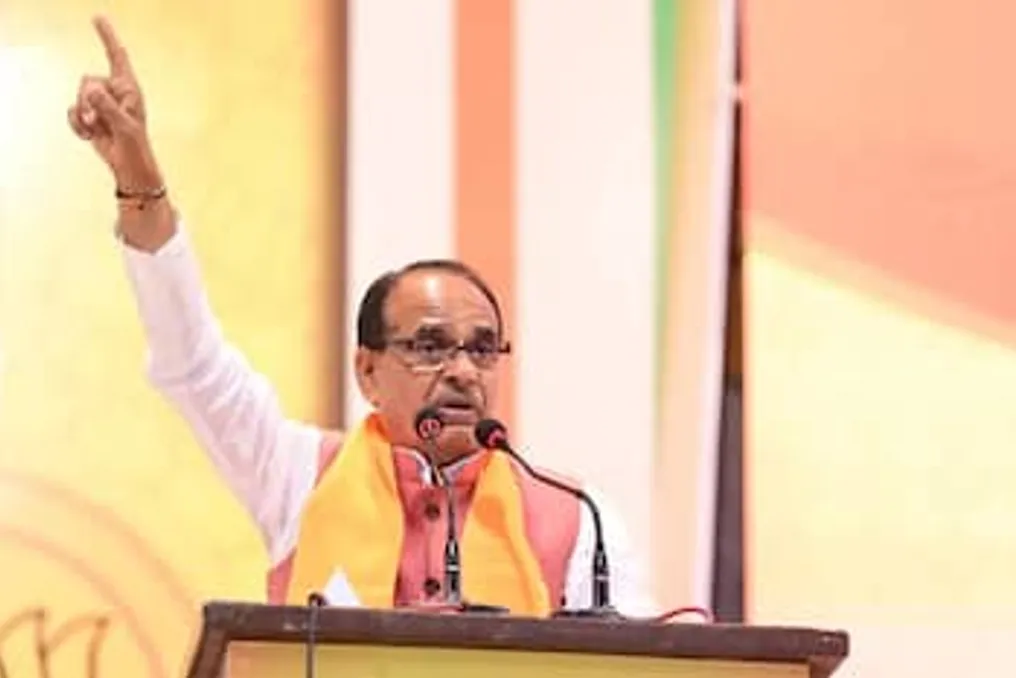
The harvest season runs from July to June. Agriculture Minister Shivraj Singh Chouhan informed reporters during the two-day National Rabi Campaign conference that in 2025-26, actual production reached 376.56 million tonnes, exceeding the target of 362.60 million tonnes. Considering the situation caused by El Niño, the target for 2026-27 was set at 373.93 million tonnes, which includes a Rabi target of 177.72 million tonnes.
He assured that despite concerns about El Niño, droughts, and floods in parts of the country, there will not be a significant decline in grain production in the 2026-27 season. The government set this target based on feedback received from the states and local levels.
Target figures and crop status
The target volume of Rabi grain production for the 2026-27 agricultural year (July-June) is set at 177.72 million tonnes, which is higher than the actual result of 174.51 million tonnes. Wheat is the main Rabi crop. Chouhan also noted that although the area sown for some crops has decreased, the overall cultivated area remains comparable to the previous year.
Currently, the rainfall deficit is about 12 percent, but the situation is usually considered a drought only when the shortage exceeds 20 percent for the relevant period. He expressed confidence that this level of deficit will not significantly affect production and added that final production estimates will be published soon.
The target for Kharif grain production for the 2026-27 agricultural year (July-June) was set at 196.21 million tonnes, which is higher than the actual volume of 174.14 million tonnes achieved in the previous season. The sharpest reduction in sown area was recorded for rice, where the sowing area decreased by approximately 16.32 lakh hectares. Sowing of maize, soyabean, and cotton also decreased. Meanwhile, the sown area for urd, bajra, jowar, sesame, sunflower, mung bean, and tur increased.
The Minister explained that the targets were determined considering factors such as water availability and soil moisture, as well as after consulting with each state to adjust cropping patterns under adverse circumstances. The goal is to avoid water-intensive crops in regions with low rainfall and low reservoir levels and soil moisture, instead planning to grow pulses and oilseeds.
Areas of concern
Chouhan reported that available information indicates problems in Karnataka, Maharashtra, parts of Andhra Pradesh—including Rayalaseema and surrounding areas, parts of Telangana, and parts of Rajasthan. Detailed reports from the states are still awaited.
Karnataka has requested a central team to visit the state on October 3. Chief Ministers of Maharashtra have also requested a central assessment team, and a team will be dispatched there. The Agriculture Minister stated that he will personally visit the affected states and maintain constant contact with their governments. He emphasized that the immediate task is preventing agricultural fields from being left fallow.
Furthermore, Shivraj Singh Chouhan announced on Tuesday that the government will launch a nationwide campaign to inform farmers about the benefits of numerous Free Trade Agreements (FTAs) signed by India in recent years and how to utilize them most effectively. Speaking to reporters after the two-day national conference in the capital, Chouhan mentioned that several international markets are accessible to Indian products without import duties. The Center will also provide states with information on the potential benefits of these agreements for Indian farmers.