
Agreement on the Return of Maricarmen Abascal to Her Madrid Apartment After Eviction
Read more
Noticias ao Minuto
noticiasaominuto.com

Agreement on the Return of Maricarmen Abascal to Her Madrid Apartment After Eviction

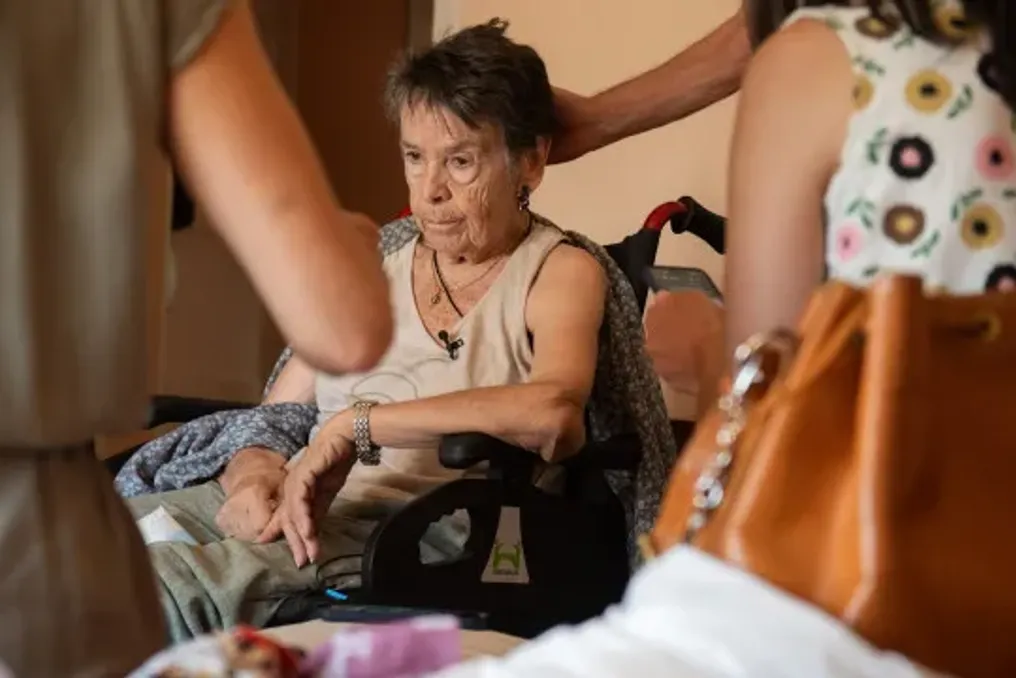
Maricarmen Abascal, aged 87, will be able to return to her home after being evicted from an apartment where she lived for over 70 years in the El Retiro district of Madrid, Spain, due to an inability to pay the rent. The return became possible thanks to an agreement reached between the woman's family, her lawyer, the Madrid Tenants Union, and Urbagestión Desarrollo e Inversión SL, the investment fund that owns the residential property.

According to sources from the Madrid Municipality, which acted as a mediator, this agreement awaits final approval from Maricarmen herself. According to Telecinco, the deal will allow the tenant, Maricarmen, to return to the property under a new eight-year contract, in accordance with the Urban Lease Law.

The rent will not exceed 30% of net income and will be paid through a municipal rental mediation program. This program will provide benefits to both the tenant and the owner, guaranteeing legal security for both. Furthermore, the program includes legal, technical, and tax consulting for Maricarmen, which will help resolve any issues during the contract term. She is also guaranteed insurance against multiple risks and against non-payment.

Maricarmen has been in the hospital for six days, but upon hearing about the possibility of returning to the apartment, she expressed her joy. It should be noted that on the day of the eviction, the elderly woman took only the clothes she was wearing; her personal belongings remained in the apartment.

Government Approves Measures Limiting Evictions

The Spanish government approved a package of housing measures on Tuesday at the Council of Ministers meeting, aimed at limiting evictions, banning the purchase of homes by investment funds, and automatically extending lease agreements. Among the adopted measures, according to information disseminated by Health Minister Mónica García on social network X and executive branch sources, is also the regulation of short-term rentals and room rentals.

It should be recalled that Pedro Sánchez's executive branch was under pressure after this case caused outrage among Spaniards, leading thousands of people to take to the streets to protest the housing crisis in the country.

Similar stories

Agreement allows elderly woman Maricarmen to return to her home in Madrid after eviction
Read more
noticiasaominuto.com

Agreement allows elderly woman Maricarmen to return to her home in Madrid after eviction

Maricarmen Abascal, an elderly woman aged 87 with 50% incapacity, will be able to return to her home in Madrid, Spain, thanks to the reached agreement.

A consensus was reached between the woman's family, her lawyer, the Madrid Tenants Union, and the investment fund Urbagestión Desarrollo e Inversión SL, which owns the apartment from which she was evicted last Wednesday. This was reported by the news agency Efe.

According to sources from the Madrid City Council, which acted as a mediator, this agreement awaits final approval from Maricarmen herself.

Company proposes elderly woman's return to home in Madrid, but City Council denies the proposal
Read more
noticiasaominuto.com

Company proposes elderly woman's return to home in Madrid, but City Council denies the proposal

Urbagestión, an investment company that owns the apartment where Maricarmen Abascal was evicted, submitted an 'emergency proposal' to the Madrid City Council in Spain, aiming to allow the 87-year-old woman to return to her residence. However, this request was rejected.

According to the Efe agency, the company suggested that the apartment in question be included in the municipal Reviva program, enabling the elderly woman's return to housing with 'a stable and affordable housing alternative.' This program, managed by the Municipal Housing and Land Company (EMVS) of the Madrid City Council, aims to rehabilitate vacant properties for the affordable rental market.

In the proposal presented to Efe, Urbagestión assured that the property, where Maricarmen lived for over seven decades, 'is not currently for sale' and expressed regret over 'Ms. Abascal's personal situation, as well as the political and improper use of her situation.' The company also stated its availability to the Municipal Housing and Land Company so that the resolution of the proposal could occur as quickly as possible.

Urbagestión clarified that it does not own the entire building, located in the El Retiro neighborhood in the center of the Spanish capital; it only acquired Maricarmen Abascal's residential unit from the former owner. Furthermore, the company refuted the rent increase reported by the 87-year-old woman, from 500 to 1,650 euros, and denied receiving any purchase offer from the Spanish government.

Beatriz Duro, lawyer for the Tenants' Union representing the elderly woman, confirmed that during negotiations, she questioned the company about the amount they would be willing to accept for Maricarmen to remain in the place. She reported: 'It was then that they indicated the amount of 1,650 euros, something Maricarmen could not afford.'

Madrid City Council rejects proposal: 'Does not meet legal requirements'

The Municipal Housing and Land Company of the Madrid City Council denied Urbagestión's proposal, arguing that it 'does not satisfy the legal requirements.' EMVS, cited by television laSexta, informed that 'it was found that the solution is not viable under the proposed terms, since including the property in the ReViVa Program does not meet the legal requirements stipulated in the program guidelines, nor in other housing acquisition programs.'

However, the municipal entity opted to offer Maricarmen's representatives its Rental Mediation Service and scheduled a meeting between the parties for next Monday, September 28. Additionally, Maricarmen gained access to teleassistance services, home support, occupational therapy, and alternative accommodation in a municipal residence at no cost.

Rent increased from 500 to €1,650

Maricarmen was forced to leave the home where she had lived for 70 years after an investment company acquired the property and raised the rent from 500 to 1,650 euros. This case sparked protests, and some people even volunteered to cover the rent for the necessary period.

Maricarmen's father rented the property in 1956, and after the parents' death, she remained in the apartment while the rent amount was regulated by law. At that time, the lease agreement was signed under the old rent control regulations. With the approval of the Urban Lease Law of 1994, the legal framework for such contracts underwent a drastic change.

Maricarmen took over the contract twenty years ago and, since then, has strictly complied with payments, which have been adjusted according to inflation. However, the situation changed in 2018 when the building was bought by an investment company. The new owners initiated legal proceedings, alleging a failure in the contract subrogation, which they considered 'economically unsustainable.'

The case reached the courts, and the Supreme Court of Spain ruled in favor of the company, which sought to increase the rent by 275%. Maricarmen, an elderly pensioner with 50% capacity, could not afford the requested amount, and in recent months, hundreds of neighbors, social groups, and housing rights defense platforms mobilized in her support, organizing camps and demonstrations to block the eviction ordered by the courts.

Popular