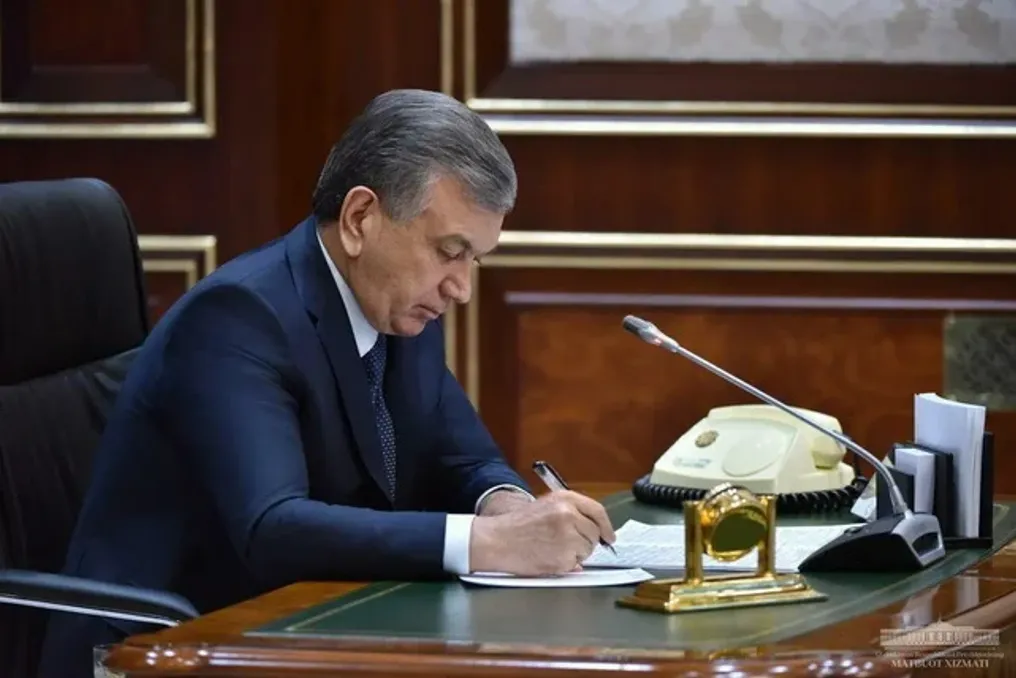
Uzbekistan expands financial support for the agricultural sector
Read more
UzDaily
uzdaily.uz

Uzbekistan expands financial support for the agricultural sector

Uzbekistan is adopting new measures to strengthen financial support for the agricultural sector. President Shavkat Mirziyoyev approved the relevant decree, which aims to increase the efficiency of financial assistance and improve the risk management system.

The new document provides for the provision of several subsidies for agricultural enterprises. For example, a subsidy of 500,000 soms will be paid for every ton of raw cotton harvested in 2026 (excluding fourth and fifth-grade cotton).

Additionally, cotton-textile clusters and enterprises created by them will receive 1.5 million soms for each hectare of land allocated for cotton cultivation in 2026.

Livestock farms will receive an annual subsidy of 500,000 soms per hectare of sown area where fodder crops are grown on main cultivated territories from 2027 to 2029.

The basis for making payments will be the conclusion of the Space Technology Research Agency. Also, from October 1, 2026, to June 1, 2027, entrepreneurs will be able to receive 2,500 soms per kilogram of imported chilled beef and lamb.

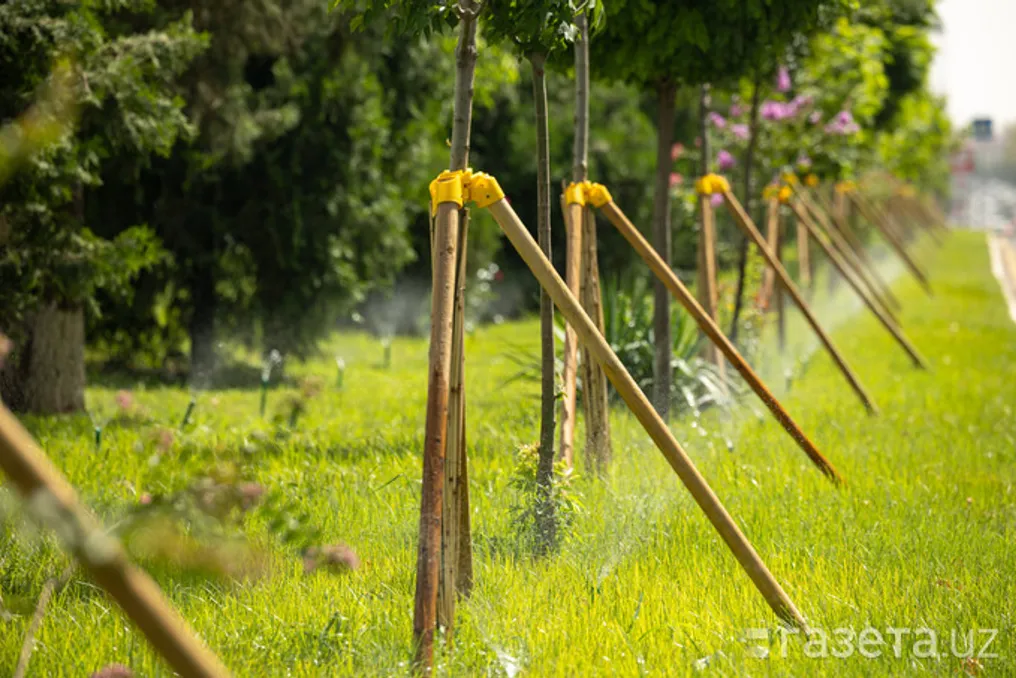
A pilot legal experiment is planned from January 1, 2027, to January 1, 2028, aimed at introducing a mechanism for subsidizing part of the expenses of agricultural producers for using water-saving irrigation technologies.

Payments will be made on a 'Results-based Subsidy' principle. The amount of such a subsidy will be determined based on the recipient's costs, as well as crop yield indicators, product quality, and other efficiency criteria.

The decree also introduces changes to the agricultural insurance system. Farms that have not had insurance claims for three consecutive years will be granted a discount on the insurance premium from 10% to 20% starting from the fourth year.

Simultaneously, 3% to 5% of insurance premiums will be directed to a reserve fund to finance preventive measures.
Similar stories

Uzbekistan expands exports to Europe through France and Poland
Read more
uzdaily.uz

Uzbekistan expands exports to Europe through France and Poland

The Ministry of Investment, Industry and Trade reported that Uzbek companies from the food, textile, and electrical engineering sectors concluded agreements to expand exports to European markets during business missions and the 'Made in Uzbekistan Road Show' event in France and Poland.

These events took place from September 21 to 26. In France, the Uzbek delegation visited places such as Chanel and the Rungis wholesale logistics center, where parties discussed cooperation potential.

As a result of the meetings, agreements were reached on training Uzbek specialists, organizing the export of raisins, and establishing the first supply of copper products from ICG.

In Poland, participants of the 'Made in Uzbekistan Road Show' and B2B meetings explored opportunities to create new channels for storing, distributing, and promoting Uzbek products in European markets.

Negotiations in Poland led to agreements on the export of frozen cherries, raisins, ready-made clothing, as well as copper and cable products. These business missions served as a platform for establishing new business contacts and increasing the presence of Uzbek companies in the European market.

Uzbekistan plans to expand agricultural insurance to orchards, vineyards, imported livestock, and other crops
Read more
gazeta.uz

Uzbekistan plans to expand agricultural insurance to orchards, vineyards, imported livestock, and other crops

Proposals are being developed in Uzbekistan to expand the list of objects and risks covered by agricultural insurance. These initiatives were presented to President Shavkat Mirziyoyev on September 25, according to his press service.

It is planned to add seedlings and trees in orchards and vineyards, as well as imported livestock, including risks arising from unforeseen events to the insurance system. In addition, the creation of new insurance products is envisaged for animal husbandry, as well as for growing potatoes, onions, and melons.

An ambitious goal has been set for 2027: to cover 45 thousand farms with insurance and raise the level of agricultural product insurance coverage to 60%. The preparation of 500 independent experts and the complete digitalization of all insurance services are also planned.

According to the submitted report, the new approach will focus not only on compensating for damage after it occurs but also on actively preventing potential risks. To achieve this goal, it is proposed to allocate 3–5% of the insurance premium to a special fund.

The funds from this fund are intended to finance vaccination, preventive and veterinary measures in animal husbandry, biological protection in cotton and grain farming, as well as the installation of disaster protection systems in orchards and vineyards.

It is noted that many aspects of agricultural insurance are already automated thanks to the Agrosafe information system, which allows all stages—from submitting an application and concluding a contract to monitoring, expertise, and making payments—to be carried out.

The President ordered the need to ensure transparency in all processes, fair assessment of insurance cases, and timely payment of compensation. Responsible parties were instructed to refine the submitted proposals and develop corresponding draft legal acts.

Popular