The mystery surrounding the origin of carbonado, an unusual porous black diamond found in both Brazil and Central Africa, has received new clues following scientific analysis. Researchers examined samples from the Tombador Formation, located in Chapada Diamantina, Bahia, to understand the formation process of these singular stones.
The study, published in Gondwana Research, suggests that an impact event that occurred on early Earth may have accelerated the movement of carbon-rich material into the planet's interior. Under high pressure, this material would have favored the crystallization of diamonds, although the collision itself is not considered the direct creator of the stones.
Unlike polished gems used in jewelry, carbonado is composed of multiple small crystals and features a structure full of pores. Attila Demény, Péter Németh, and his team analyzed samples from the Tombador Formation in Brazil using advanced techniques such as X-rays, electron microscopy, and carbon composition tests.
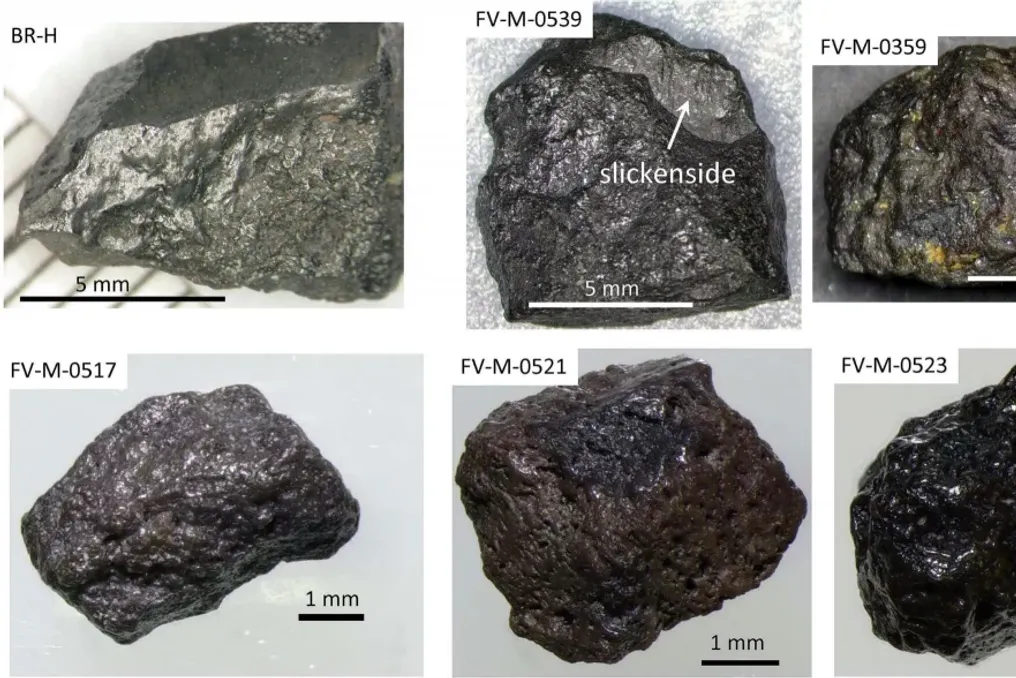
One of the leads investigated was the shiny aspect of the stones. Although the smooth surface has been compared to the molten crust of meteorites, scientists did not detect microscopic signs in the examined samples confirming a violent impact.
Additionally, some samples exhibited a thin layer of anatase, a mineral composed of titanium dioxide. The researchers noted that this layer was already present on the diamond crystals when the surface underwent modifications. This suggests that the shine did not appear simultaneously with the formation of anatase.
The interpretation raised is that anatase developed first. Subsequently, fluids may have interacted with the mineral and the diamond, dissolving small portions of both and resulting in the smooth, lustrous surface observed.
Another factor under investigation was the carbon composition. Since the element manifests in various forms, the proportion between them acts as a kind of chemical signature. In most carbonados analyzed, this signature resembles that found in carbon associated with ancient organisms.
It is important to note that this chemical similarity does not imply that scientists have found traces of life inside the diamonds; it only suggests that part of the carbon may have originated from Earth's surface material.
One of the grains analyzed showed an intermediate composition between that of common carbonados and those of diamonds generated at great depths. This finding may indicate that more than one carbon source contributed to the constitution of that specific stone.
The maintenance of pores is crucial to support this hypothesis. For surface material to reach the mantle, it would need to descend through the process of subduction, where one tectonic plate slides beneath another, carrying rocks and sediments into the Earth's interior.
In the context of carbonados, researchers believe that this descent must have been extremely rapid. If the diamonds remained for a long period under the planet's extreme internal conditions, their small internal voids would have been eliminated.