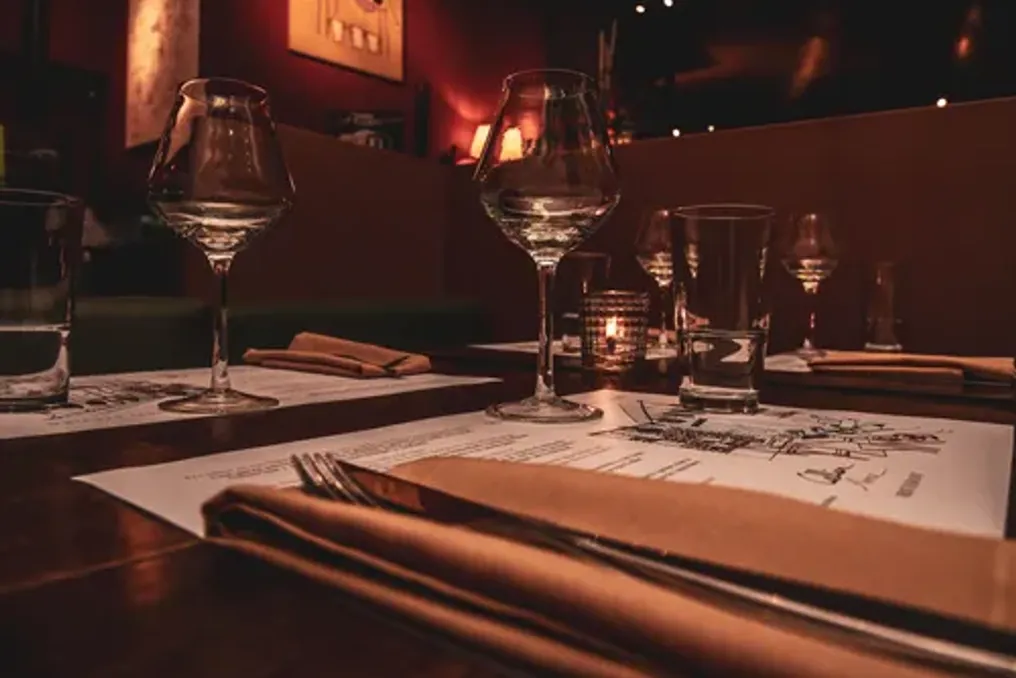
Modern fine dining is undergoing changes as patrons of upscale restaurants increasingly seek more than just food; they strive for a meaningful experience, personalized hospitality, and an authentic sense of connection.
For a long time, fine dining was associated with adhering to strict rules, impeccable service, and formality. However, the luxury dining experience is now evolving toward greater value placed on conversation, hospitality, and atmosphere alongside culinary quality.
According to the National Restaurant Association's 2025 report on the state of the restaurant industry, 64% of full-service restaurant customers stated that the dining experience itself is more important than the price of the meal. An OpenTable study on 2025 dining trends also showed a 27% increase in bookings for experience-oriented events, indicating a growing interest in memorable restaurant visits tied to specific occasions.
This shift is observed in restaurants worldwide. For instance, Noma in Copenhagen has made storytelling and ingredient provenance central to the gastronomic experience, while The Connaught in London has demonstrated the importance of personalized care in luxury on par with culinary perfection.
South African restaurants are also reflecting this changing approach to fine dining. Farro combines exquisite cuisine with warm hospitality, Post & Pepper focuses on exceptional food without excessive pretense, and De Tafel at The Palms has developed an intimate, chef-driven experience based on conversation, dialogue, and the feeling of a special occasion.
Despite the uniqueness of each establishment, they reflect a broader trend toward creating gastronomic experiences that feel personal, authentic, and unforgettable, rather than merely formal.
According to Chef Kerry Kilpin, Executive Chef at Steenberg Farm, these changes reflect a wider shift in the understanding of luxury. She notes: 'Guests still expect exceptional food and service, but they want the experience to feel effortless.' She continues that 'Today, luxury is less about formality and more about a feeling of genuine warmth, comfort, and care.'
Consequently, hospitality has become a key element of the premium gastronomic experience. Personal recognition, sincere service, and meaningful interactions can significantly influence guests' memories of a restaurant. Kilpin emphasizes: 'People don't want to feel like just another table in a restaurant; they want to be noticed. They want connection.'
Storytelling is also becoming an increasingly important component of premium dining. Patrons show heightened interest in where ingredients come from, who is behind the food, and the history of the places where they dine.
At Tryn restaurant, storytelling is part of the gastronomic process. This restaurant is named after Katarina Ross, founder of Steenberg, and is affectionately known as 'Tryn'; it celebrates the heritage of South Africa's oldest registered farm while connecting guests to the stories behind their food. This includes a partnership with ABALOBI. Steenberg Farm receives fully traceable fish from local small-scale fishermen, allowing guests to trace their seafood from ocean to plate and meet the people responsible for the catch.
Kilpin asserts: 'Stories help people connect emotionally. People remember stories. They remember the people behind them, and that creates a much deeper experience than just serving food.'
The desire to connect extends beyond the plate. Patrons are increasingly drawn to restaurants with a strong sense of place, where the surroundings, history, and local character are part of the overall experience. Whether celebrating a major event or simply spending time with friends and family, the emphasis is shifting more towards creating moments that bring people together.
Kilpin says: 'People are looking for opportunities to slow down and spend meaningful time together. Good food and wine are important, but what many guests are seeking is connection.'
This is particularly noticeable in destination restaurants, where the ambiance and setting contribute to the overall appeal. At Steenberg, the views of the vineyards, mountain landscapes, historical heritage, and various dining options form part of the guest's entire journey.
Kilpin believes that patrons will continue to value excellent food, wine, and service, while giving equal weight to experiences that feel genuine, personal, and hospitable. She concludes: 'The future of premium dining is not about complicating things, but about creating meaningful moments that people genuinely enjoy and remember.'
As luxury dining evolves, the very concept of elegance is changing. The experience is increasingly shaped not only by what is served on the plate but also by the atmosphere, hospitality, stories, and connections that linger with visitors long after the last course.