
Paleontologists discovered maggot traces in northern Germany about 300 thousand years ago
Read more
N+1
nplus1.ru

Paleontologists discovered maggot traces in northern Germany about 300 thousand years ago

Paleontologists conducted research on materials from a known site in Schöningen. Analysis of a primate tooth found there allowed them to determine that it belonged to a maggot that inhabited northern Germany approximately 300 thousand years ago.

According to the scientists' data, this find represents one of the northernmost populations of macaques belonging to the Middle Pleistocene period, and is also the northernmost specimen discovered on the territory of continental Europe.

The results of this study were presented in a scientific publication published in the journal Quaternary Environments and Humans.

Similar stories

Oldest pile settlement in Europe discovered in Albania, dating back to 5800 BCE
Read more
nplus1.ru

Oldest pile settlement in Europe discovered in Albania, dating back to 5800 BCE

European researchers analyzed a large volume of wood extracted during underwater surveys at the ancient settlement Lin-3, located in Albania. Using dendrochronological and radiocarbon dating methods, scientists were able to confirm that this settlement is the earliest known pile settlement in Europe.

According to the results, the Lin-3 settlement appeared approximately in 5800 BCE and existed intermittently for about two millennia. Information about these discoveries is presented in a preprint article posted on the SSRN.org platform.

German discovers large hoard of Roman coins from the time of Hadrian in North Rhine-Westphalia
Read more
nplus1.ru

German discovers large hoard of Roman coins from the time of Hadrian in North Rhine-Westphalia

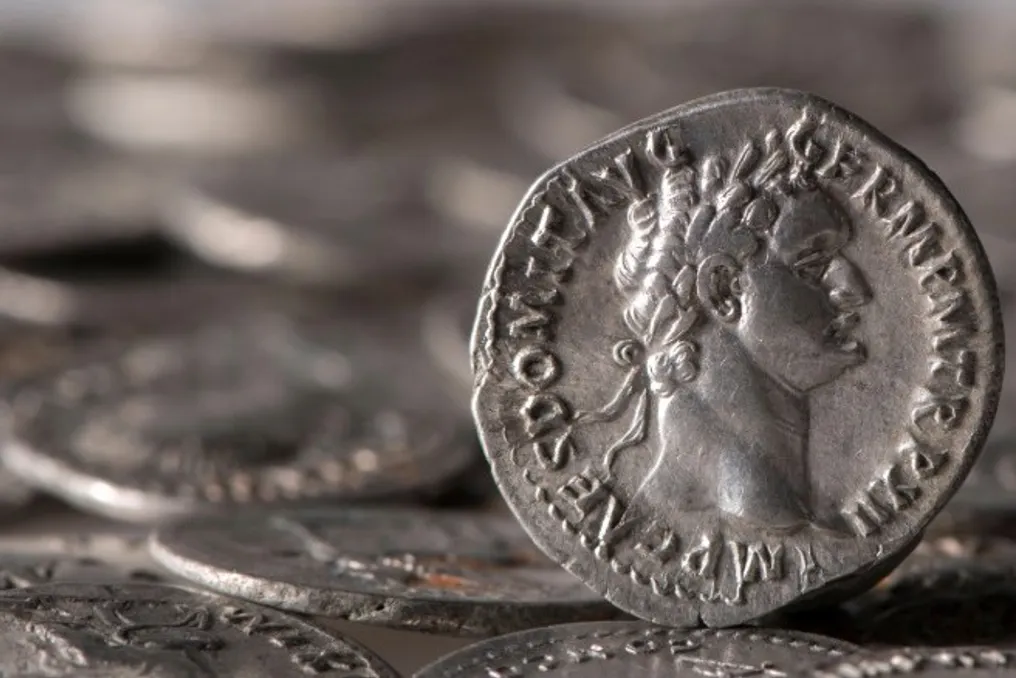
A German enthusiast interested in finding ancient objects, Oliver Riedl, discovered a significant number of coins using a metal detector about a year ago. The discovery took place in a field near the settlement of Wesseling, located in the North Rhine-Westphalia region.

After the man found fifteen ancient artifacts, he contacted monument preservation experts. Specialists arrived at the site and began professional archaeological excavations.

During these works, one of the largest hoards of Roman silver coins in German history was discovered. It is presumed that this hoard was hidden during the reign of Emperor Hadrian. This find became known through a message on the official website of the Rhineland Archaeological Monuments Office.

Popular