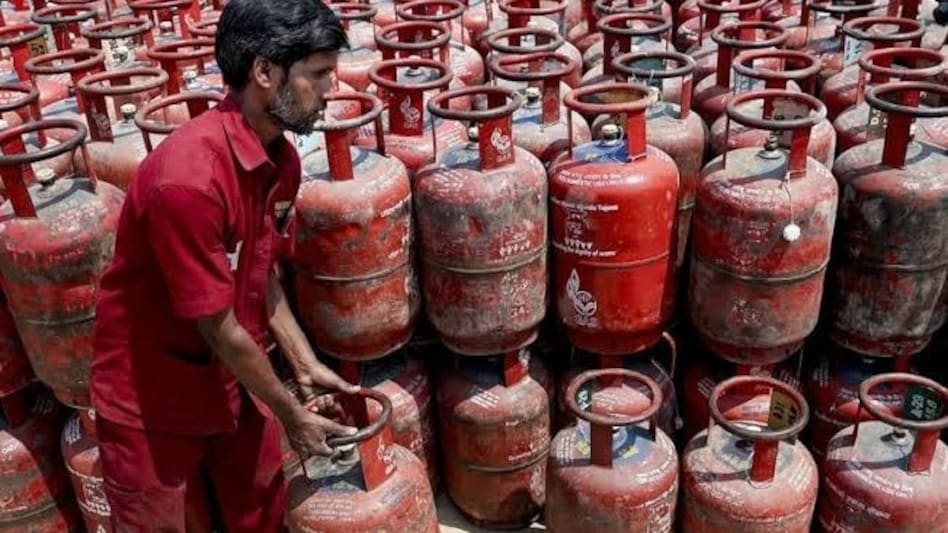
Significant changes are coming to the rules for booking liquefied petroleum gas (LPG) starting October 1st, which may affect consumers' ability to receive subsidies. The government has established a requirement for all consumers wishing to book LPG refills at a regulated retail price with a subsidy to undergo biometric authentication (BAA).
If a consumer fails to meet this condition, they will lose the right to receive the subsidy, and if they were receiving it previously, it will be terminated. According to the government, the goal of this step is to ensure that subsidized gas is provided exclusively to families in need.
However, if biometric authentication has already been completed, redoing the procedure is not required. According to data from the Ministry of Oil and Natural Gas, as of September 19th, 27.43 million active household LPG consumers in the country, which accounts for about 89.9 percent, have already undergone biometric authentication.
Those who have not yet completed this procedure must do so as soon as possible to be able to order LPG cylinders at the subsidized rate. The government notes that this system will help prevent the commercialization and industrial use of subsidized household cylinders, as well as identify duplicate and unauthorized connections.
LPG consumers are not obliged to visit special locations to complete this procedure. Biometric authentication can be carried out during the delivery of the LPG cylinder. Additionally, consumers can complete the process by visiting their gas distributor's office.
For those who prefer not to visit an agency or office, this service is available through the mobile applications of three state oil distribution companies. Indane consumers can use the IndianOil ONE app, Bharat Gas customers can use HelloBPCL, and HP Gas users can use the HP PAY app to complete authentication.
Customers who refuse to undergo biometric authentication or cannot complete it for any reason will not lose access to receiving LPG, but they will not be able to benefit from the subsidy. This means they will have to purchase the LPG cylinder at the market price.
This campaign began back in October 2023, and the initial deadline was set for June 30th. However, this deadline was extended to September 30th, meaning everything must be done before October 1st.